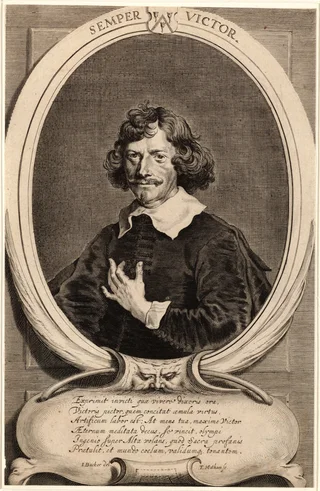
Jan Victors
1619 · Dutch Republic · Baroque
The story
Two pictures from around 1659, now in the Amsterdam Museum, show the girls of the orphanage run by the deacons of Amsterdam's Reformed Church, fed in one and given new clothes in the other. Feeding the hungry and clothing the naked are two of the seven works of mercy, and Jan Victors, a committed member of the Dutch Reformed Church, painted the orphanage's daily routine in exactly those terms.
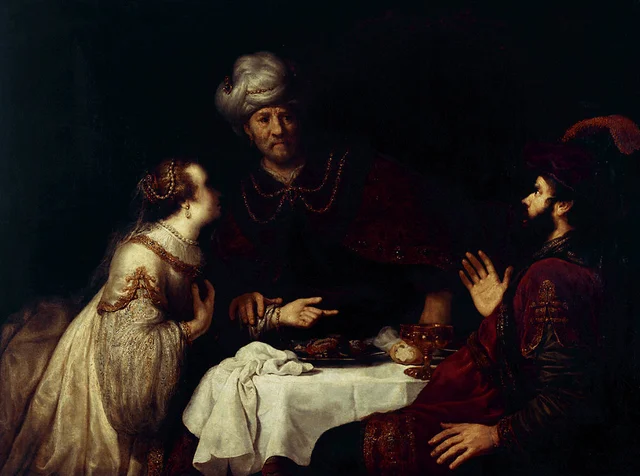
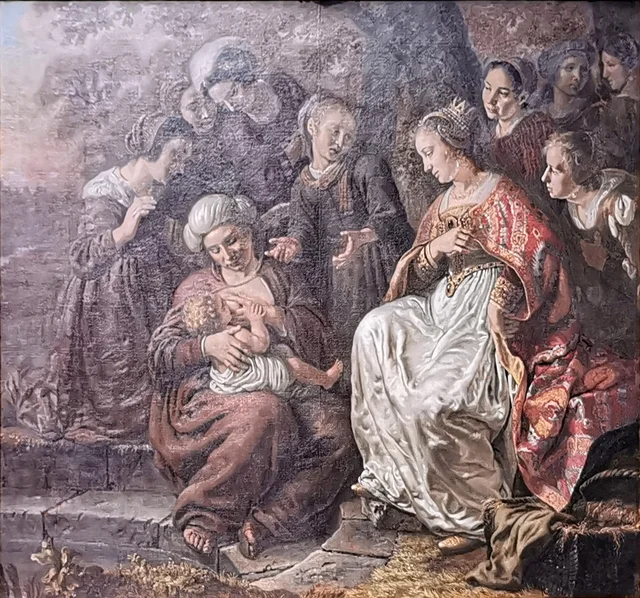
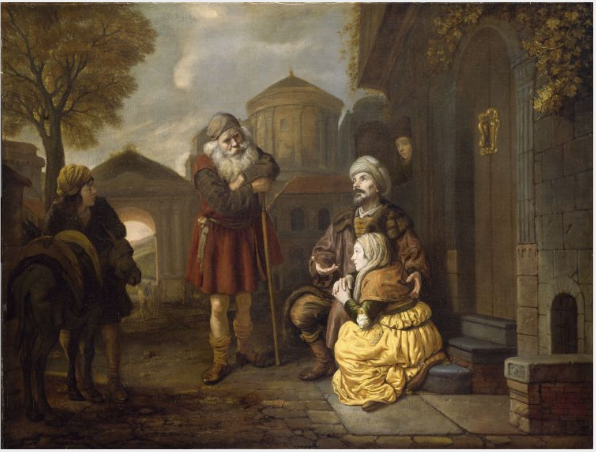
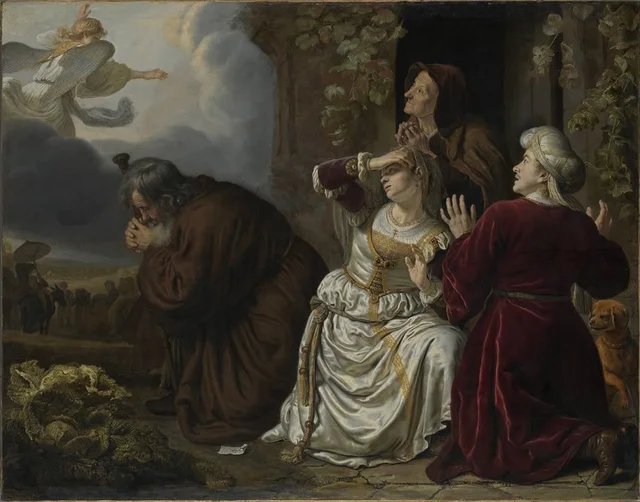
Victors was born in Amsterdam in 1619, and his early pictures follow Rembrandt so closely that he is generally thought to have studied with him around 1640. Most of his history paintings tell Old Testament stories, Esther pleading before King Ahasuerus, Jacob and Esau, Ruth and Boaz. From the late 1640s he also painted village life, a butcher with a slaughtered pig, a quack at his market stall, a tooth-puller at work in front of a crowd.
The Dutch art market slumped after 1672, the year French armies invaded the Dutch Republic. In 1676 Victors gave up painting and sailed for the East Indies in the service of the Dutch East India Company as a comforter of the sick, a lay church officer who read and prayed with patients. Nothing more is heard of him, and he probably died there.