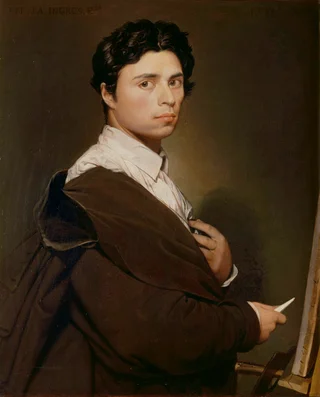
Jean-Auguste-Dominique Ingres
1780–1867 · France · Neoclassicism
The story
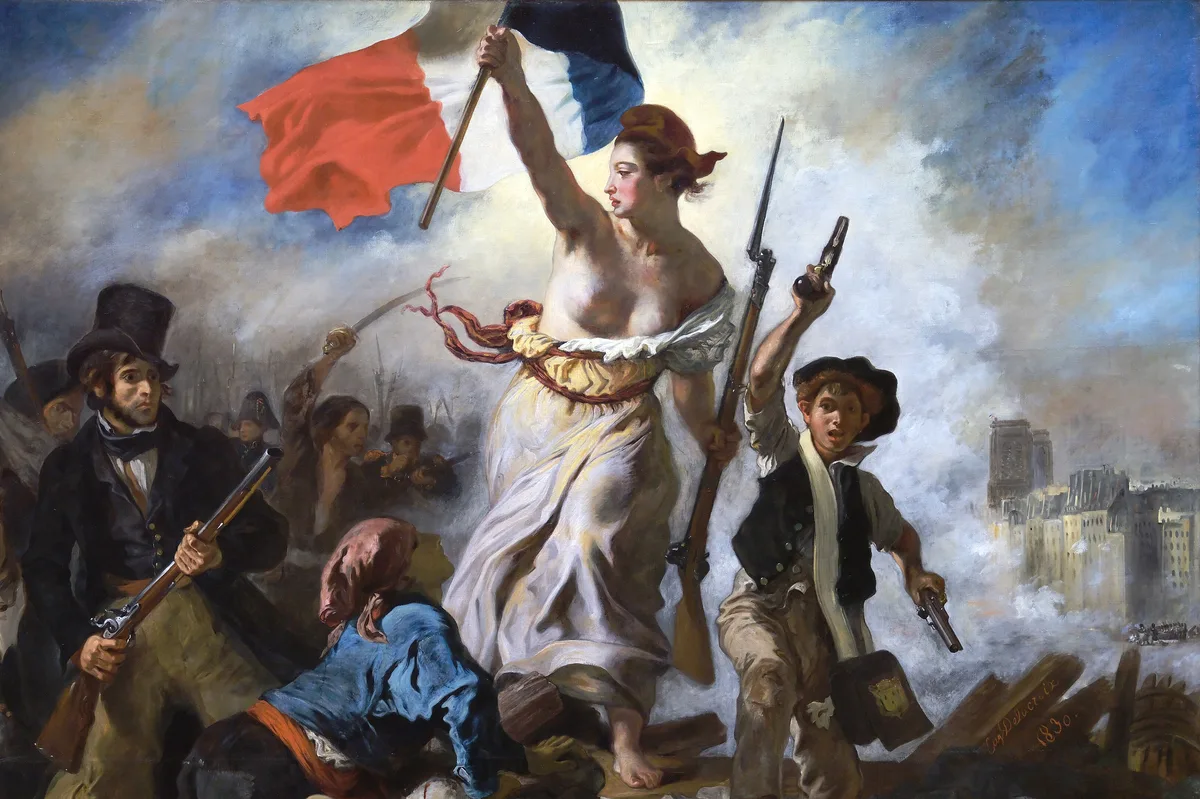
Ingres thought of himself as the last honest man in French painting, the guardian of drawing and clean contour and Raphael's example, against a younger generation he saw as smearing colour around and calling it art. That generation had a leader, Eugene Delacroix, and for decades the Paris art world split into two camps: the party of line behind Ingres and the party of colour behind Delacroix. Ingres called his rival the apostle of ugliness, and at the 1855 world's fair in Paris the organisers reportedly had to hang the two men in separate rooms.
He had earned the right to be dogmatic. Trained in the studio of Jacques-Louis David, the great painter of the Revolution and of Napoleon, Ingres drew with a precision almost nobody could match. And yet his most famous picture breaks every rule he preached. The Grande Odalisque of 1814, a reclining harem woman painted for Napoleon's sister, has a back stretched by two or three vertebrae too many and a pelvis that could not physically exist. Critics howled that he had forgotten his anatomy; he had done it on purpose, lengthening the body for the long, cool, unbroken line he loved more than correctness.
There is a smaller thing he is remembered for. From boyhood Ingres played the violin, well enough as a teenager to sit in the orchestra of the opera in Toulouse, and he kept a fiddle beside his easel his whole life. The habit gave the French language a phrase, un violon d'Ingres, for the serious hobby a person keeps alongside their real work. In 1924 the photographer Man Ray took the phrase for a picture of his own, painting the two curved sound-holes of a violin onto a model's bare back.
More articles
Works
120 works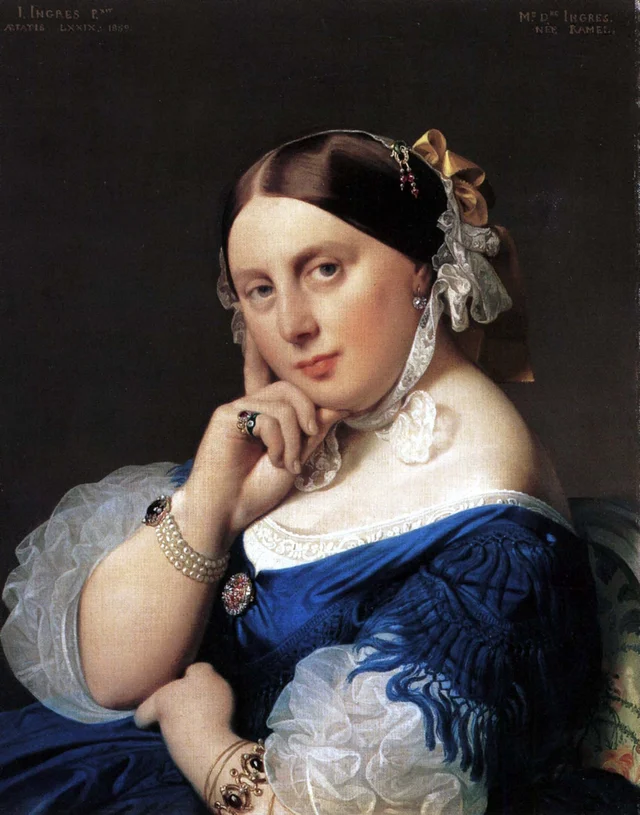 Portrait of Delphine RamelJean-Auguste-Dominique Ingres, 1859
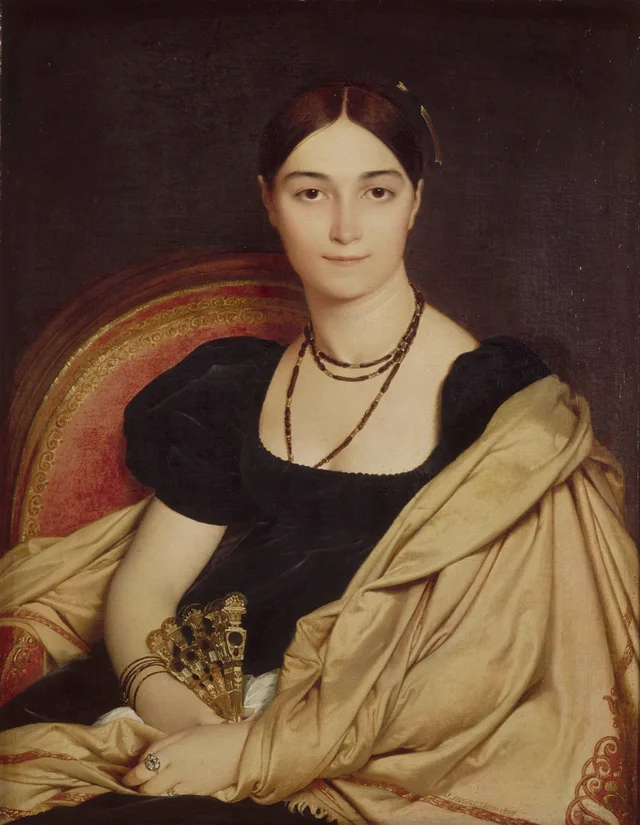 Portrait of Madame DevaucayJean-Auguste-Dominique Ingres, 1807
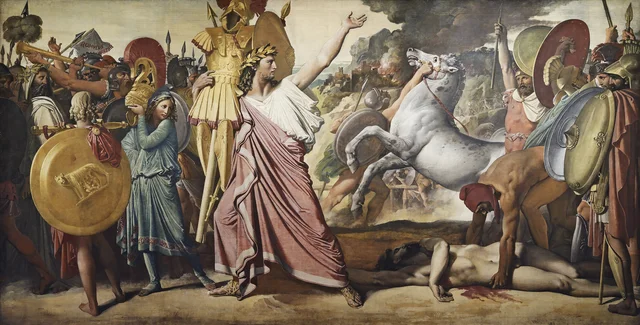 RomulusJean-Auguste-Dominique Ingres, 1812
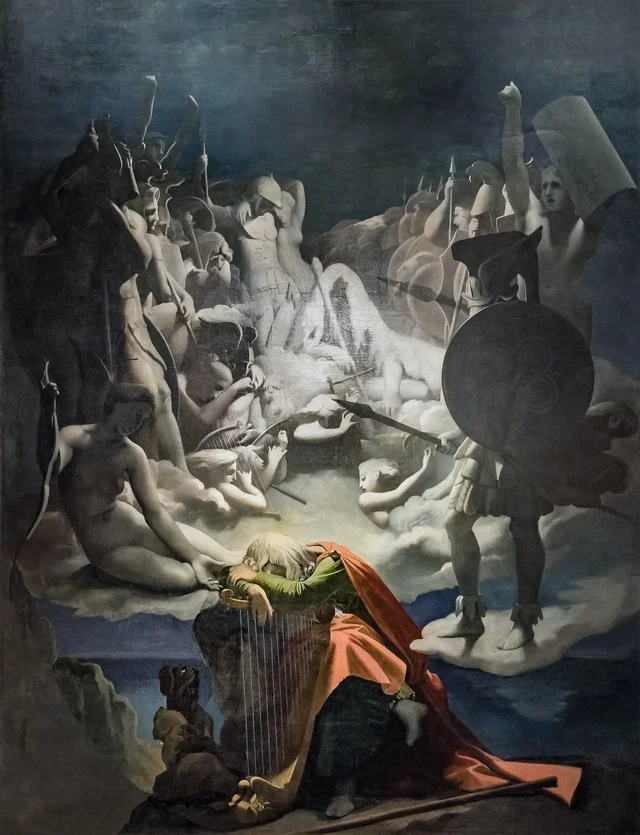 The Dream of OssianJean-Auguste-Dominique Ingres, 1813
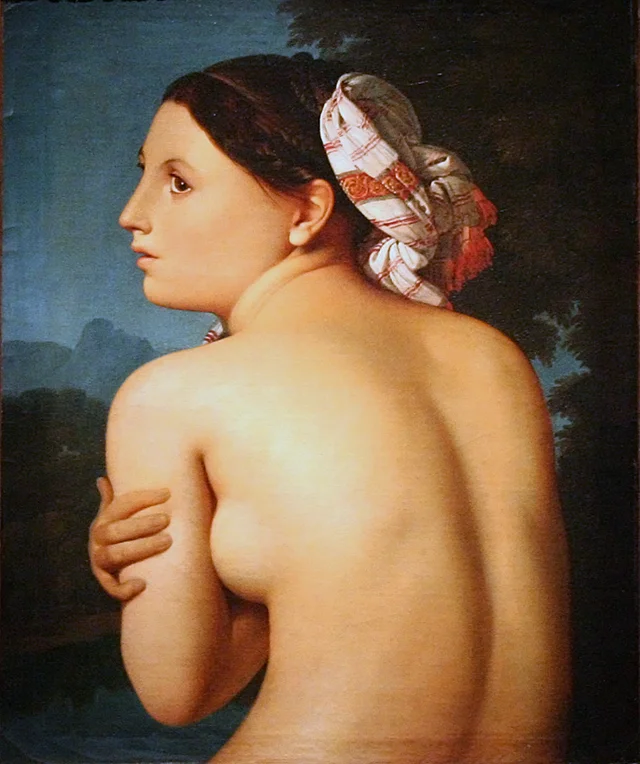 The Half-Length BatherJean-Auguste-Dominique Ingres, 1807
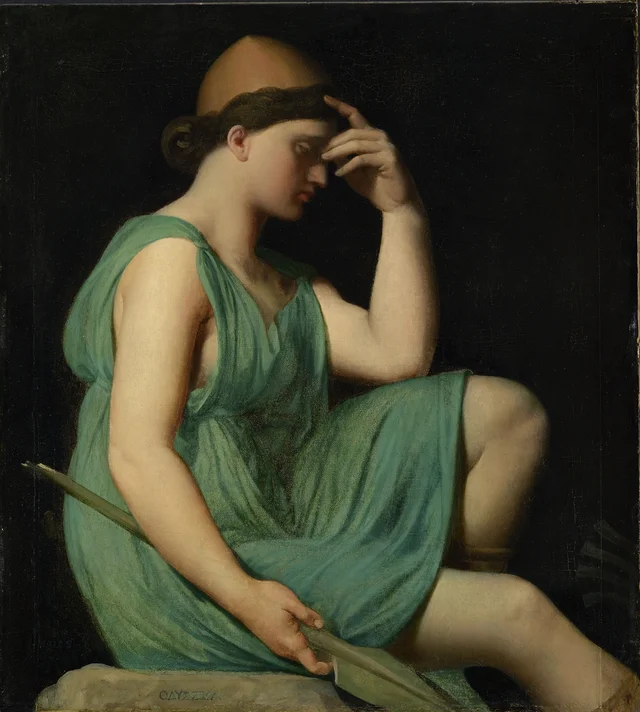 The OdysseyJean-Auguste-Dominique Ingres, 1850
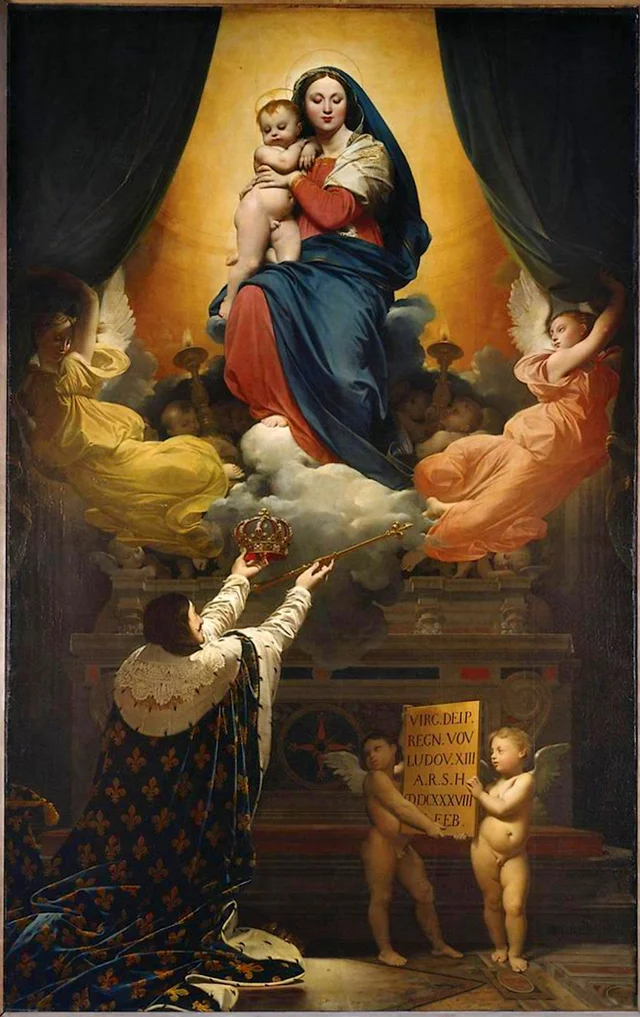 The Vow of Louis XIIIJean-Auguste-Dominique Ingres, 1824
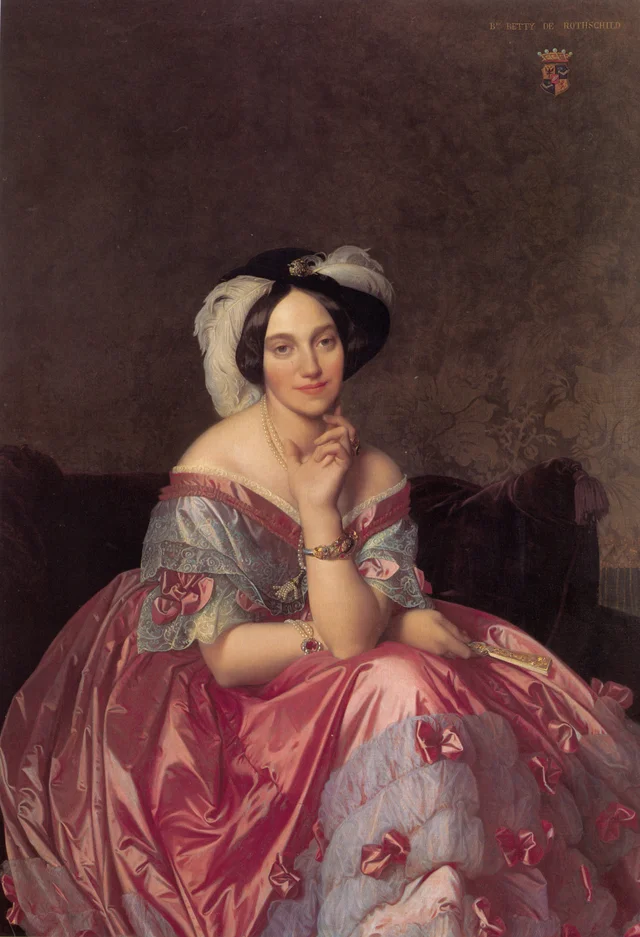 Baronne de RothschildJean-Auguste-Dominique Ingres, 1848
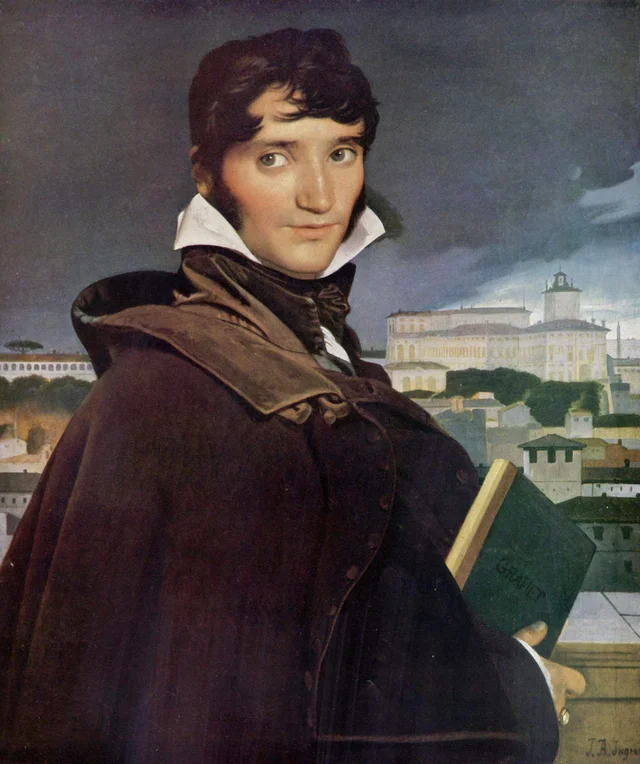 François Marius GranetJean-Auguste-Dominique Ingres, 1807
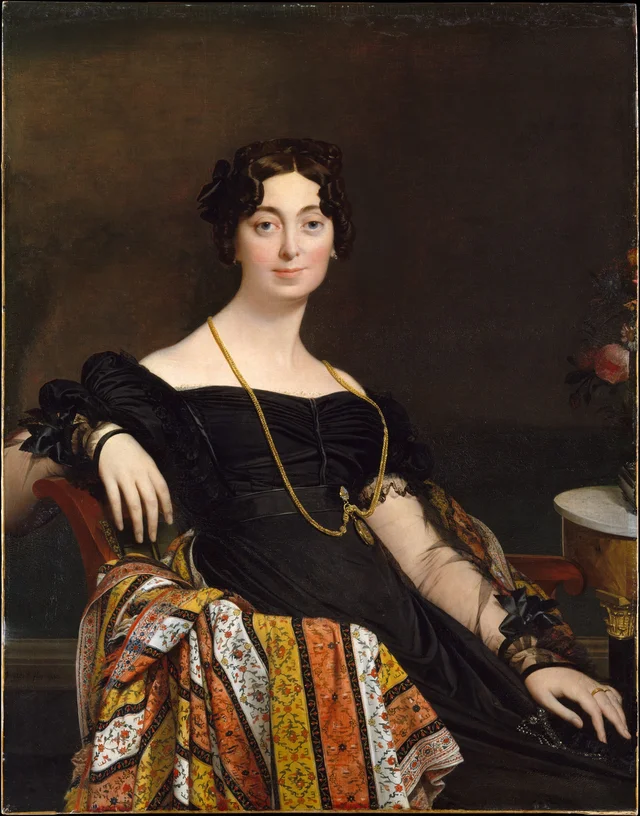 Madame Jacques-Louis Leblanc (Françoise Poncelle, 1788–1839)Jean-Auguste-Dominique Ingres, 1823
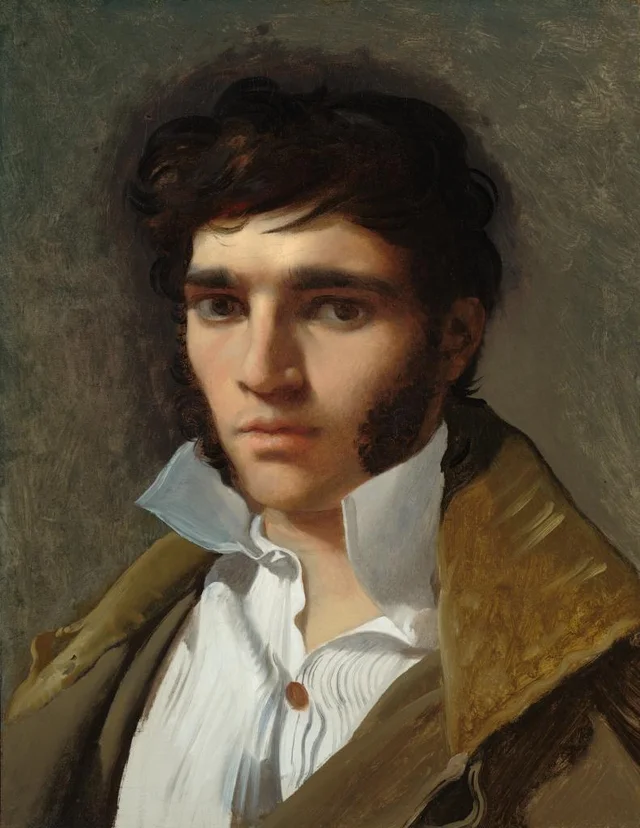 Portrait of Paul LemoyneJean-Auguste-Dominique Ingres, 1810
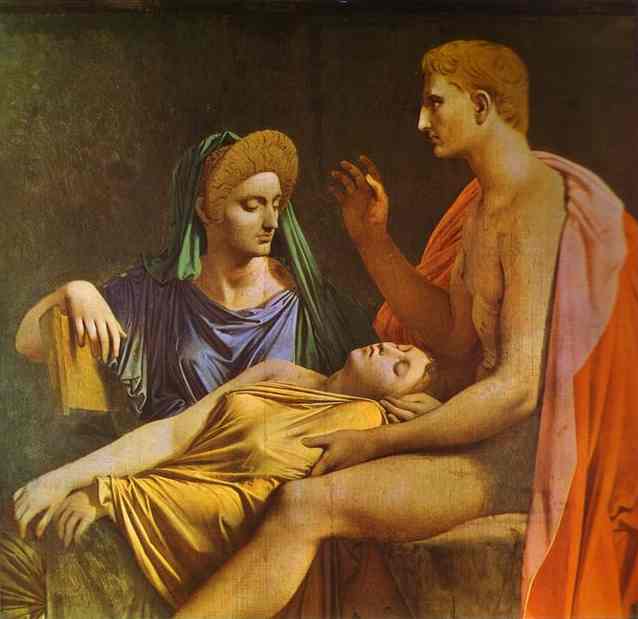 Augustus Listening to the Reading of the AeneidJean-Auguste-Dominique Ingres, 1812
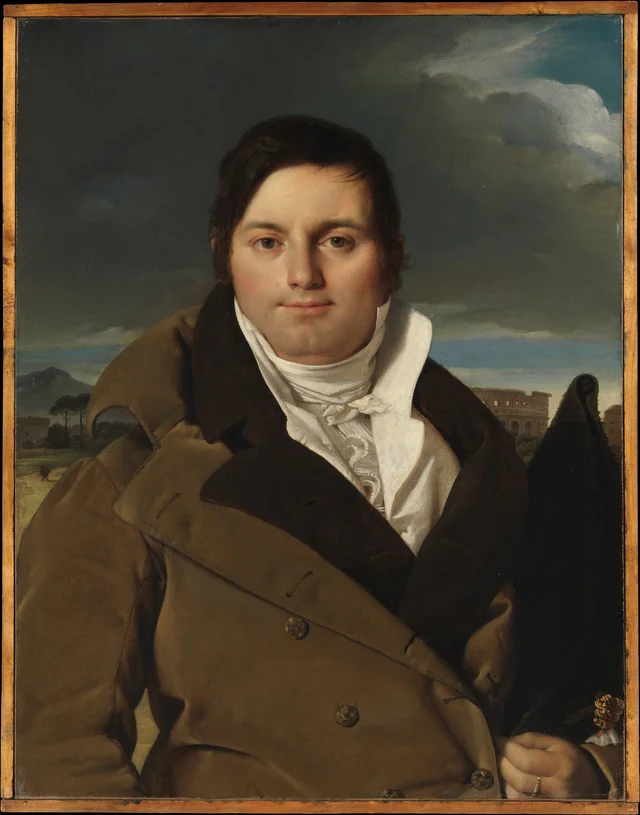 Joseph-Antoine MoltedoJean-Auguste-Dominique Ingres, 1810
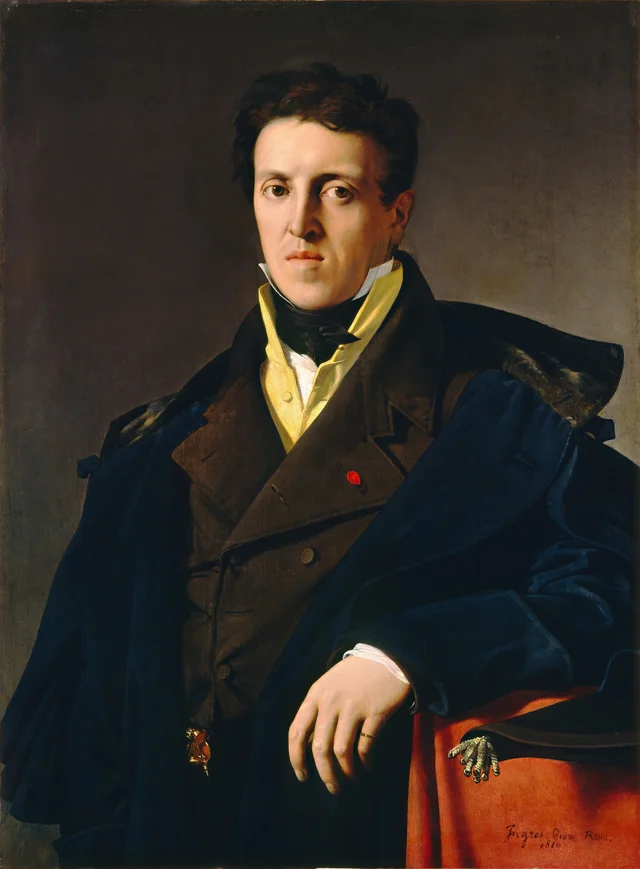 Marcotte d'ArgenteuilJean-Auguste-Dominique Ingres, 1810
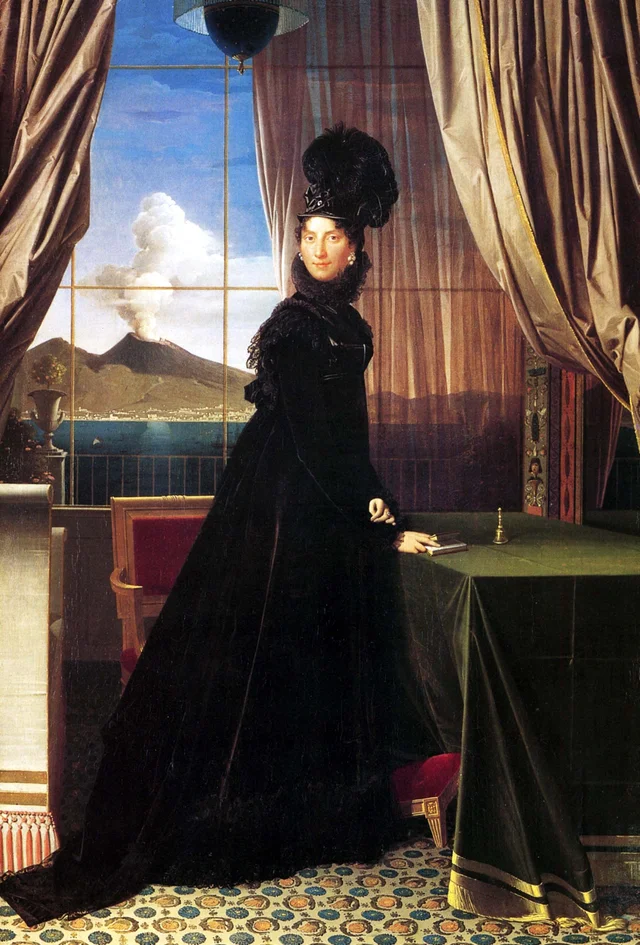 Portrait of Caroline Murat, Queen of NaplesJean-Auguste-Dominique Ingres, 1814
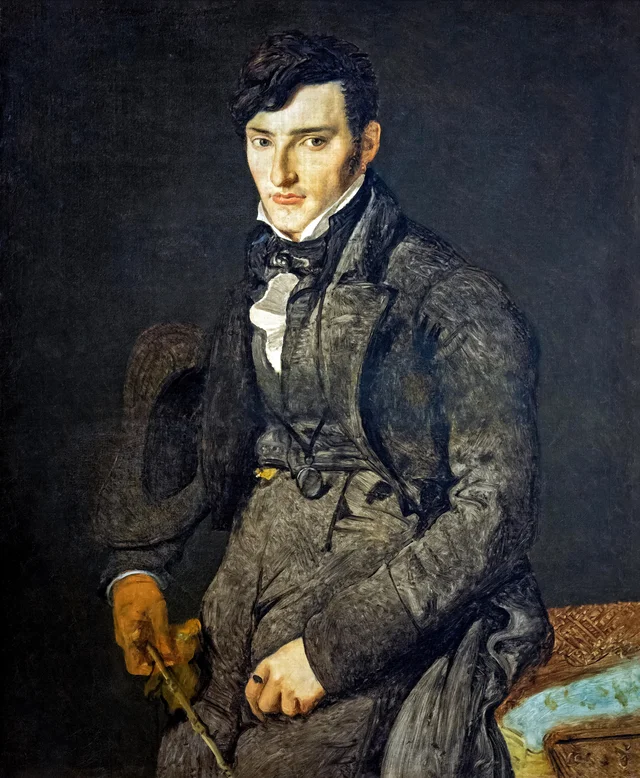 Portrait of Jean-Pierre-François GilibertJean-Auguste-Dominique Ingres, 1805
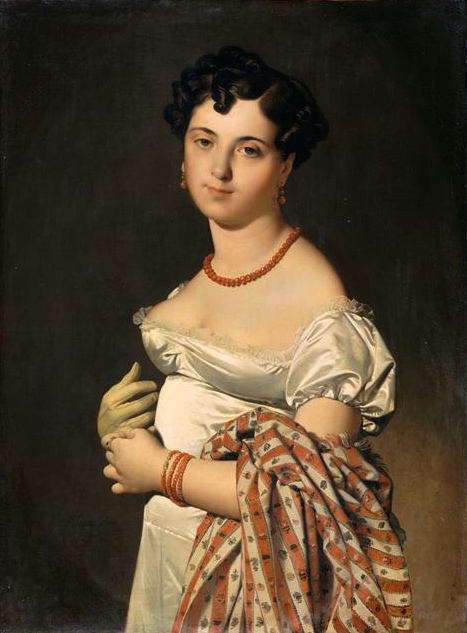 Portrait of Madame PanckouckeJean-Auguste-Dominique Ingres, 1811
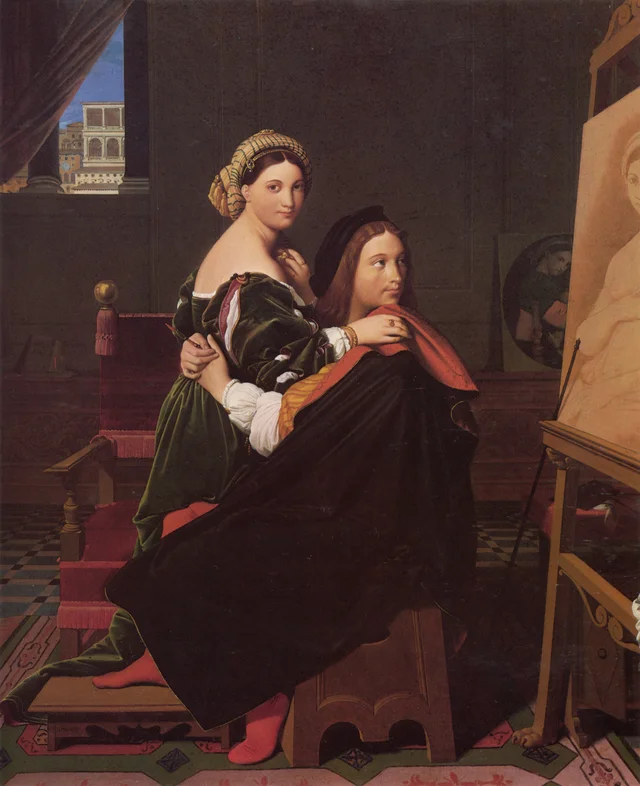 Raphael and the FornarinaJean-Auguste-Dominique Ingres, 1814
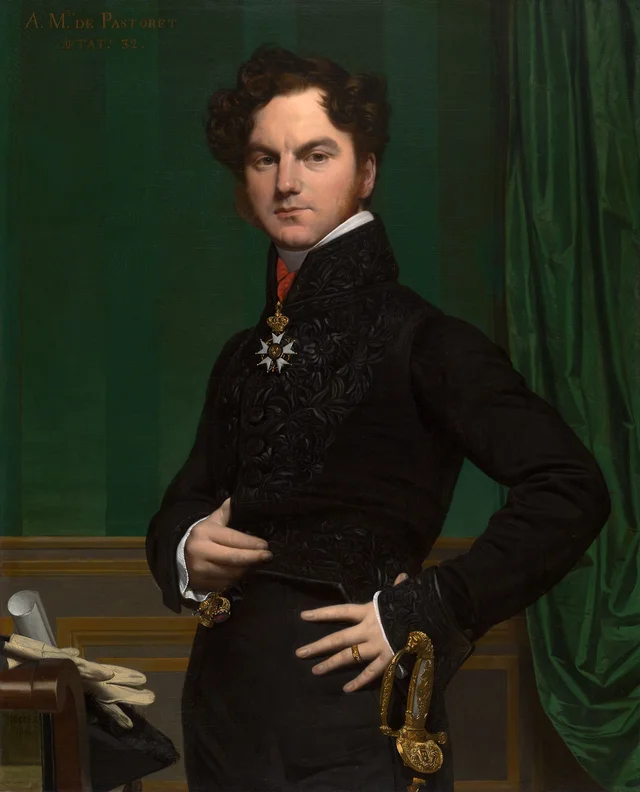 Amédée-David, the Comte de PastoretJean-Auguste-Dominique Ingres, 1823
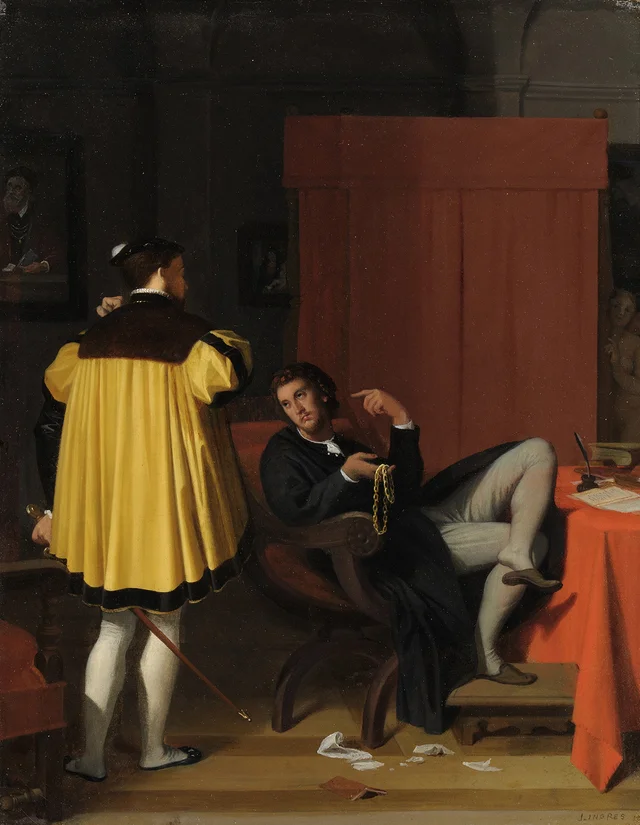 Aretino and Charles V's AmbassadorJean-Auguste-Dominique Ingres, 1848
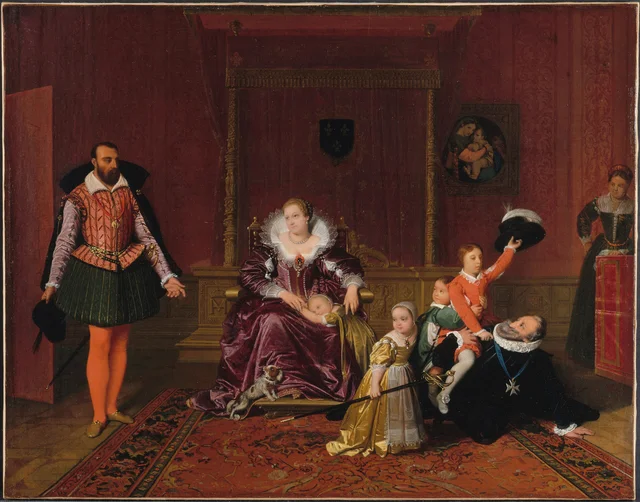 Henry IV Receiving the Spanish AmbassadorJean-Auguste-Dominique Ingres, 1817
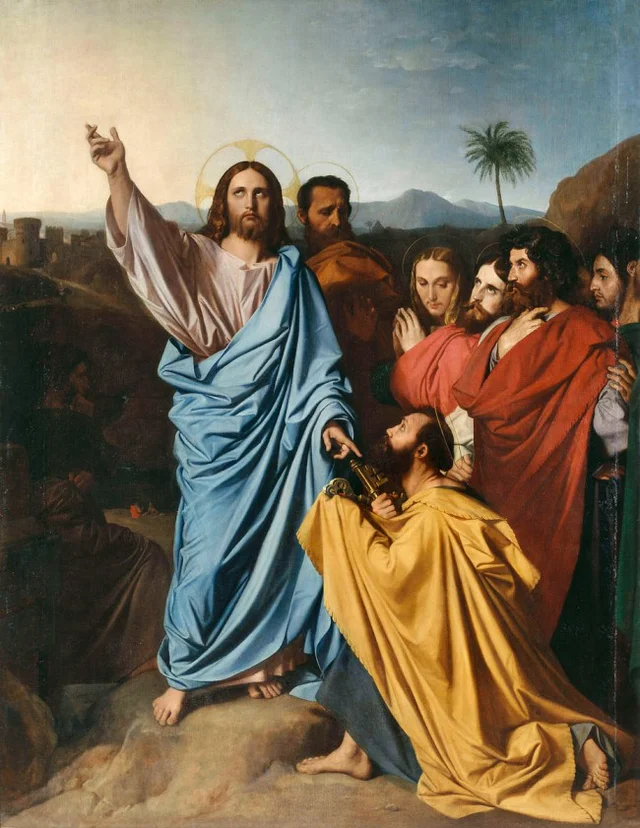 Jesus Returning the Keys to St. PeterJean-Auguste-Dominique Ingres, 1820
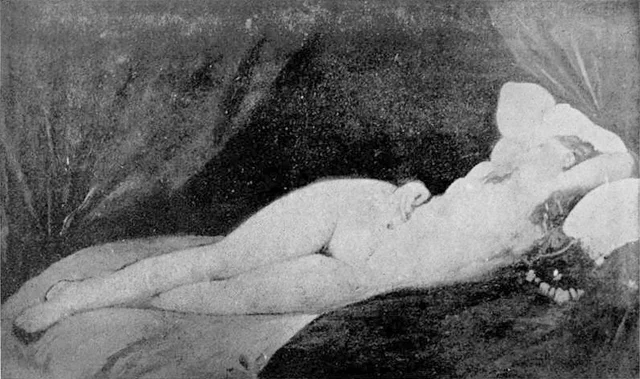 La Dormeuse de NaplesJean-Auguste-Dominique Ingres, 1809
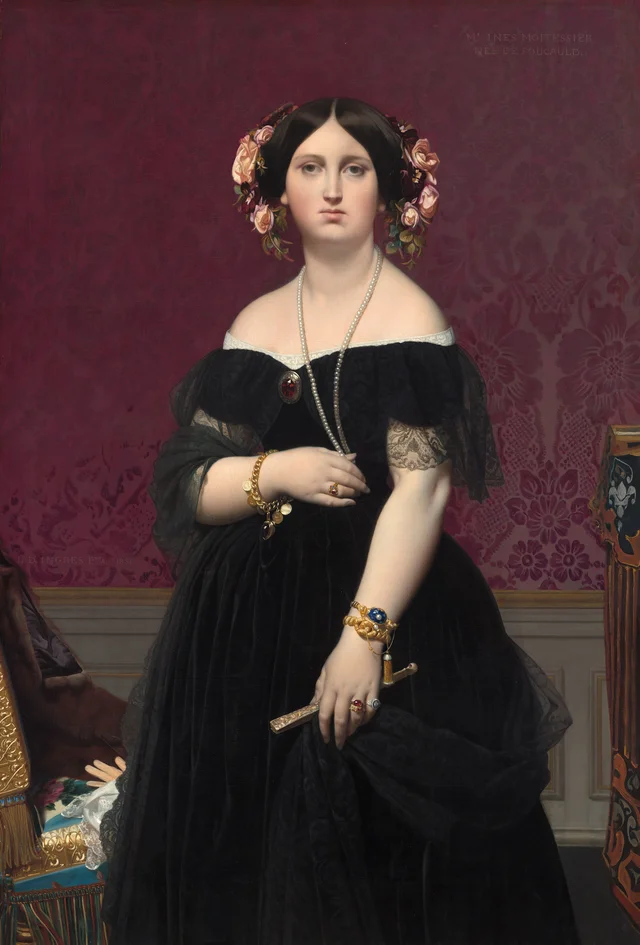 Madame MoitessierJean-Auguste-Dominique Ingres, 1851
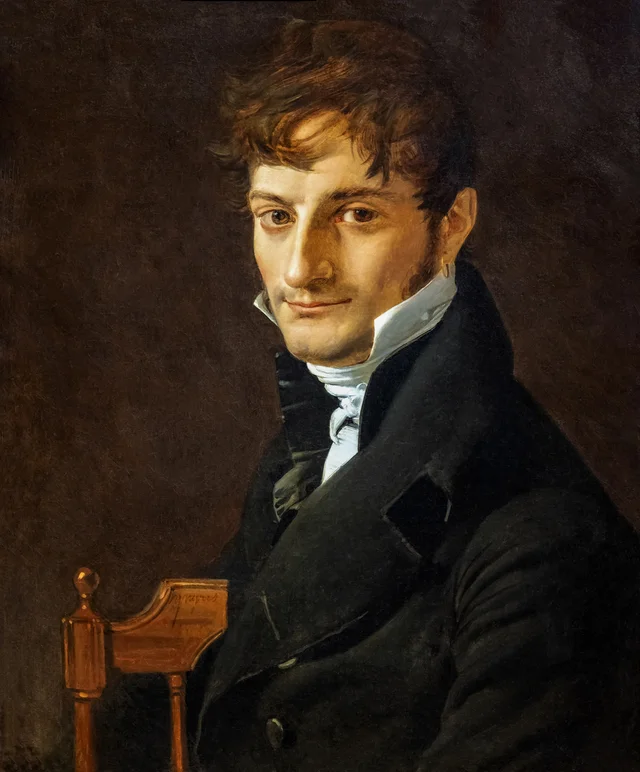 Portrait de Belvèze-FoulonJean-Auguste-Dominique Ingres, 1805