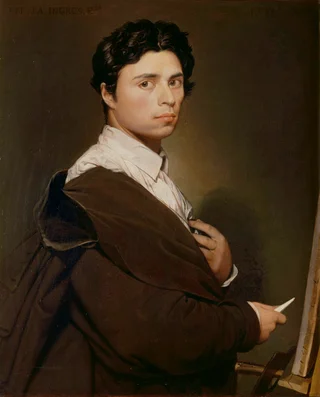
Jean-Auguste-Dominique Ingres
1780–1867 · France · Neoclassicism
The story
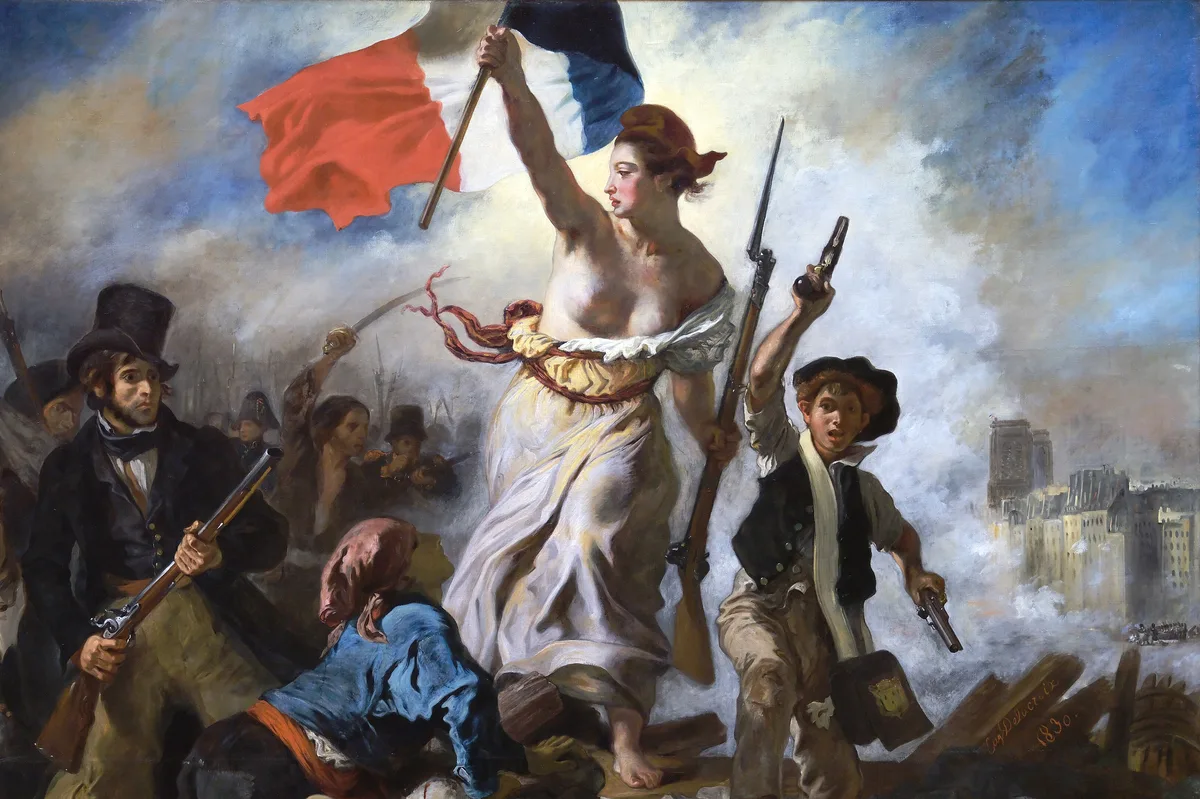
Ingres thought of himself as the last honest man in French painting, the guardian of drawing and clean contour and Raphael's example, against a younger generation he saw as smearing colour around and calling it art. That generation had a leader, Eugene Delacroix, and for decades the Paris art world split into two camps: the party of line behind Ingres and the party of colour behind Delacroix. Ingres called his rival the apostle of ugliness, and at the 1855 world's fair in Paris the organisers reportedly had to hang the two men in separate rooms.
He had earned the right to be dogmatic. Trained in the studio of Jacques-Louis David, the great painter of the Revolution and of Napoleon, Ingres drew with a precision almost nobody could match. And yet his most famous picture breaks every rule he preached. The Grande Odalisque of 1814, a reclining harem woman painted for Napoleon's sister, has a back stretched by two or three vertebrae too many and a pelvis that could not physically exist. Critics howled that he had forgotten his anatomy; he had done it on purpose, lengthening the body for the long, cool, unbroken line he loved more than correctness.
There is a smaller thing he is remembered for. From boyhood Ingres played the violin, well enough as a teenager to sit in the orchestra of the opera in Toulouse, and he kept a fiddle beside his easel his whole life. The habit gave the French language a phrase, un violon d'Ingres, for the serious hobby a person keeps alongside their real work. In 1924 the photographer Man Ray took the phrase for a picture of his own, painting the two curved sound-holes of a violin onto a model's bare back.
More articles
Works
120 works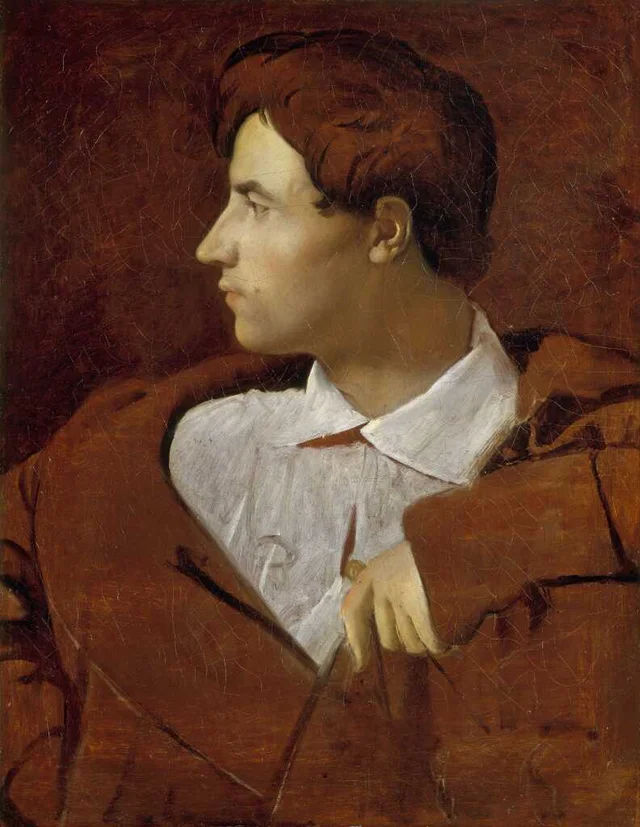 Portrait of Jean-Baptiste DesdébanJean-Auguste-Dominique Ingres, 1810
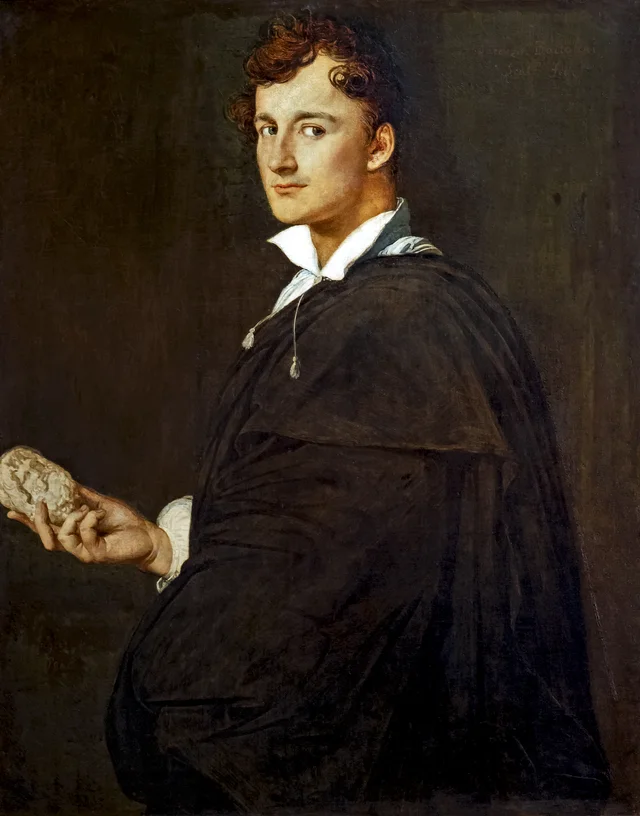 Portrait of Lorenzo BartoliniJean-Auguste-Dominique Ingres, 1805
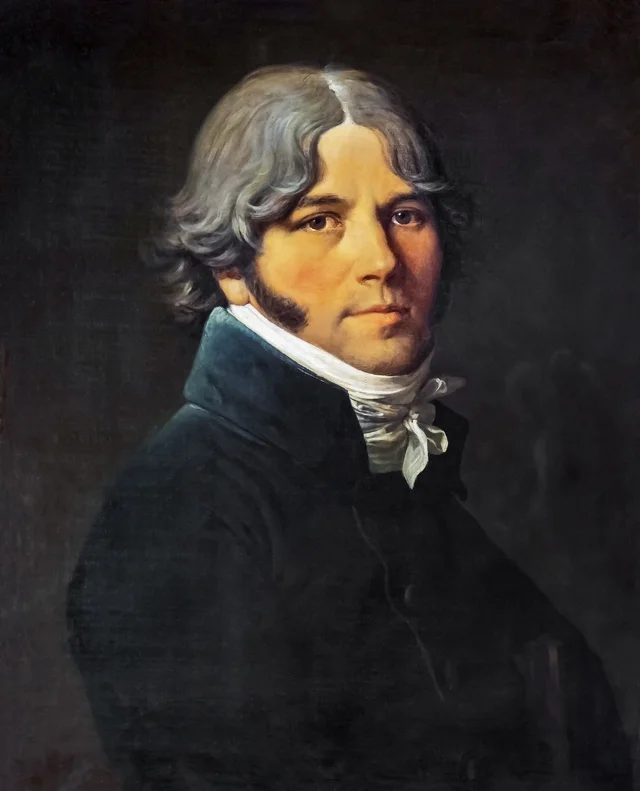 Portrait of the Artist's FatherJean-Auguste-Dominique Ingres, 1804
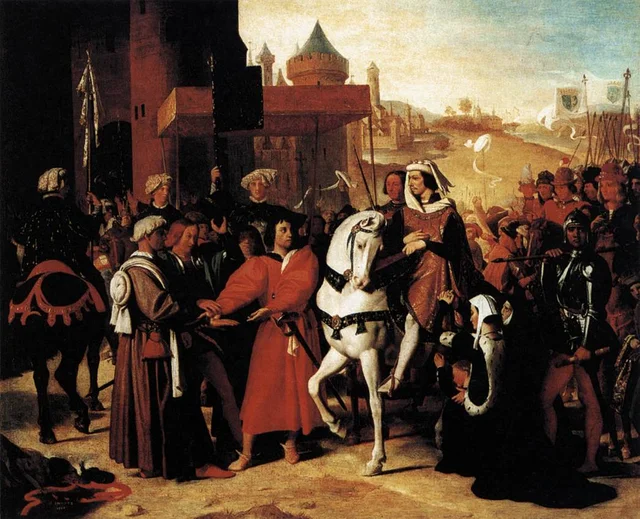 The Dauphin's Entry Into ParisJean-Auguste-Dominique Ingres, 1821
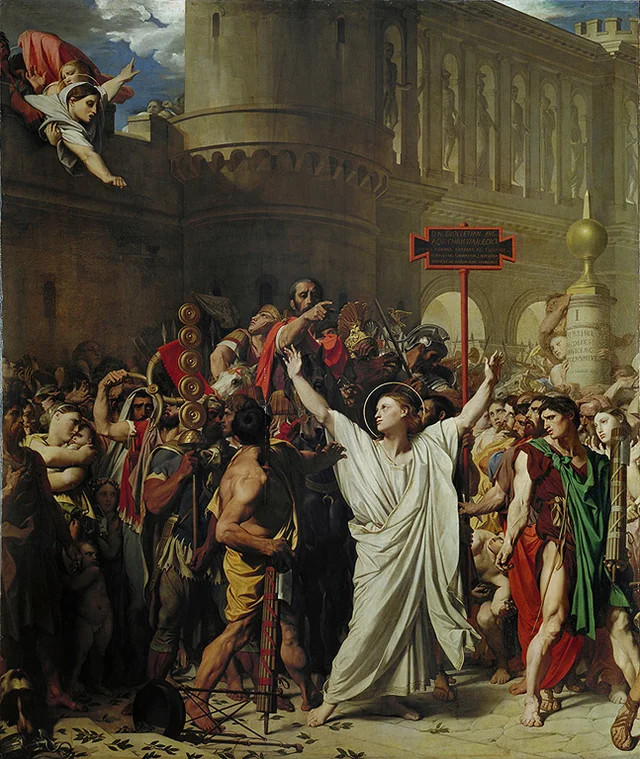 The Martyrdom of Saint SymphorianJean-Auguste-Dominique Ingres, 1834
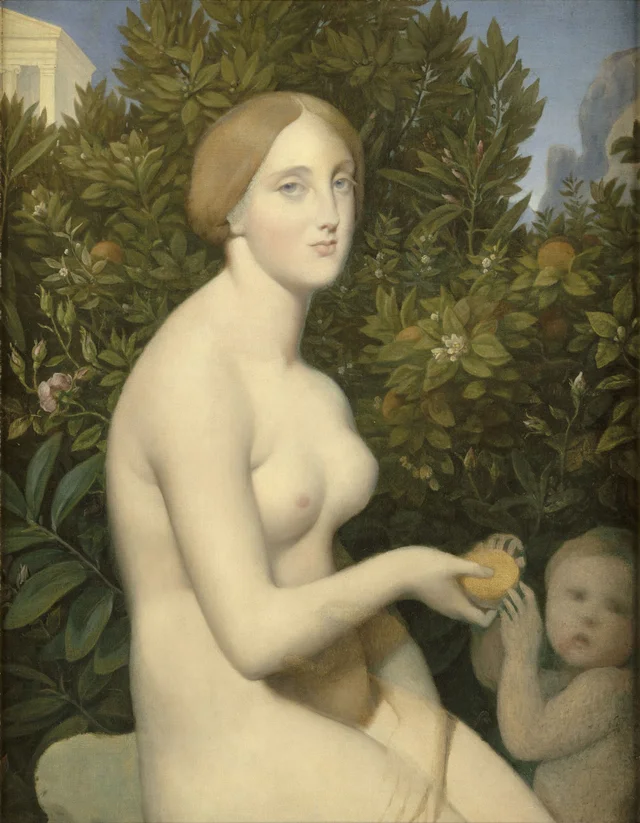 Venus in PaphosJean-Auguste-Dominique Ingres, 1852
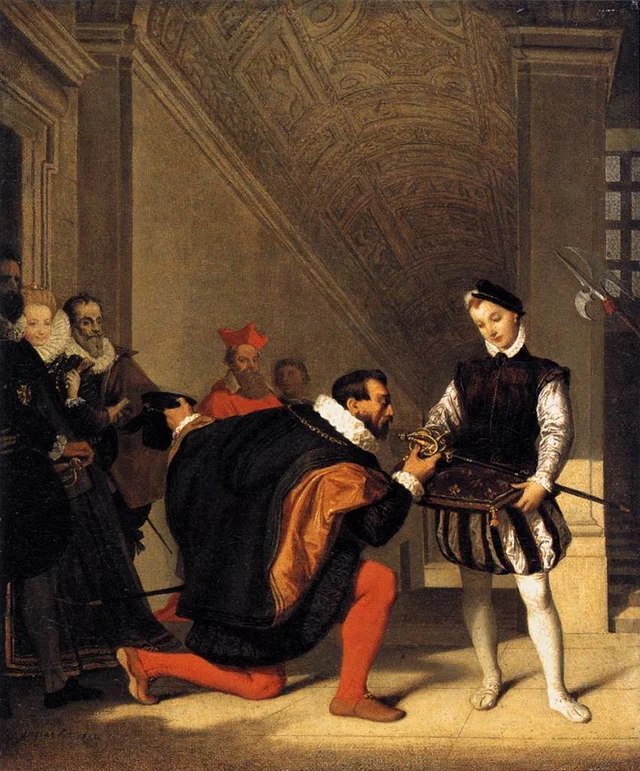 Don Pedro of Toledo Kissing Henry IV's SwordJean-Auguste-Dominique Ingres, 1831
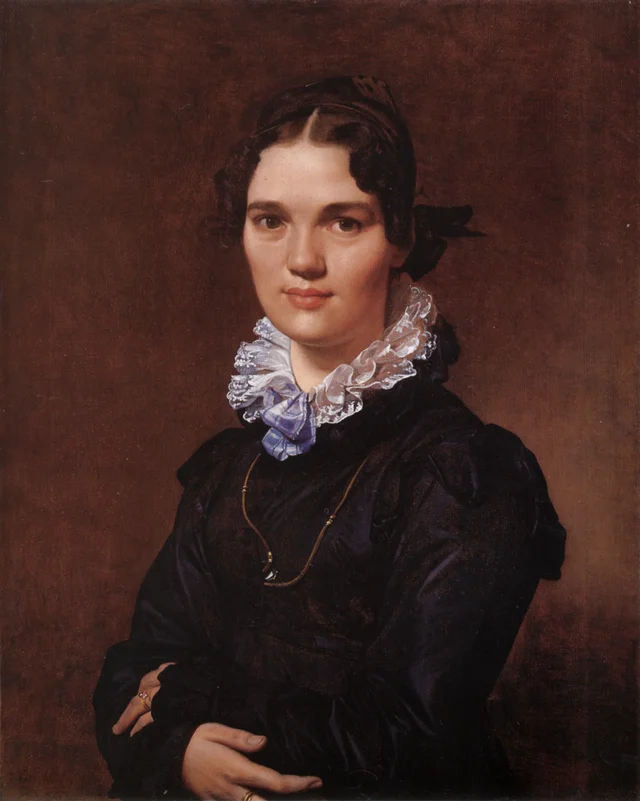 Mademoiselle Jeanne-Suzanne-Catherine GoninJean-Auguste-Dominique Ingres, 1821
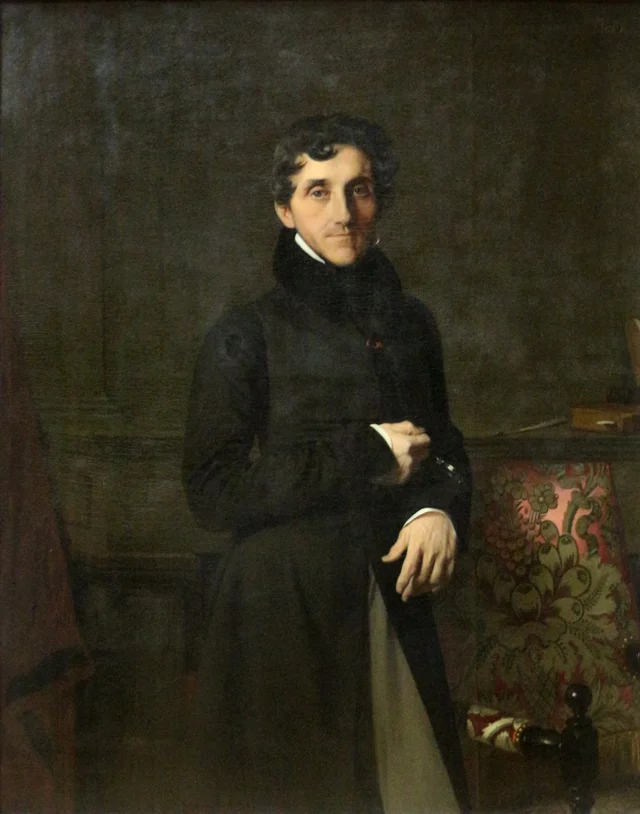 Portrait of Louis-Mathieu MoléJean-Auguste-Dominique Ingres, 1834
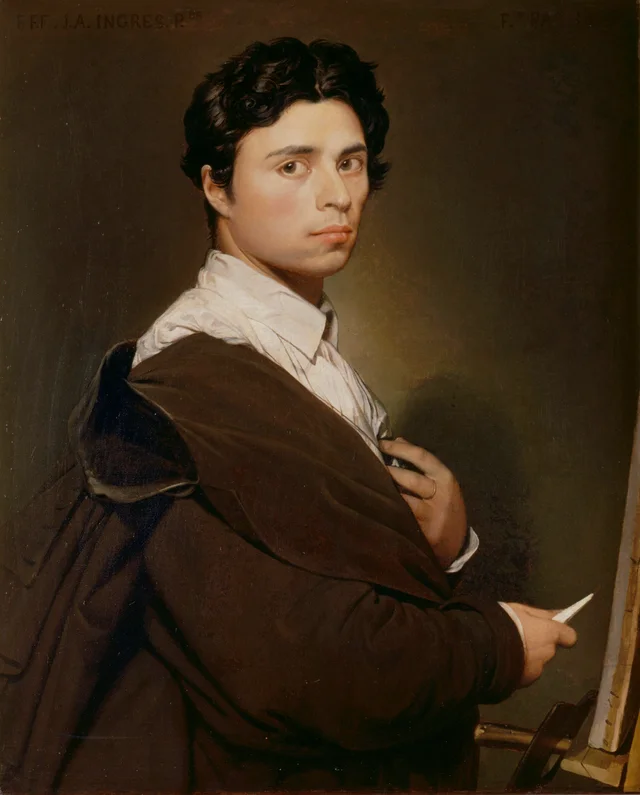 Self-Portrait Aged 24Jean-Auguste-Dominique Ingres, 1804
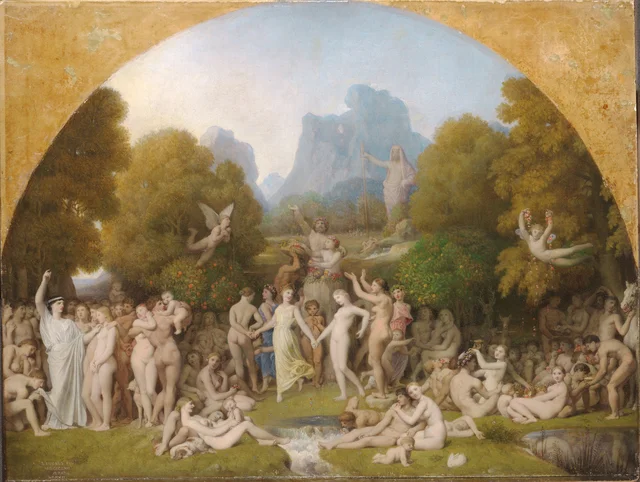 The Golden AgeJean-Auguste-Dominique Ingres, 1862
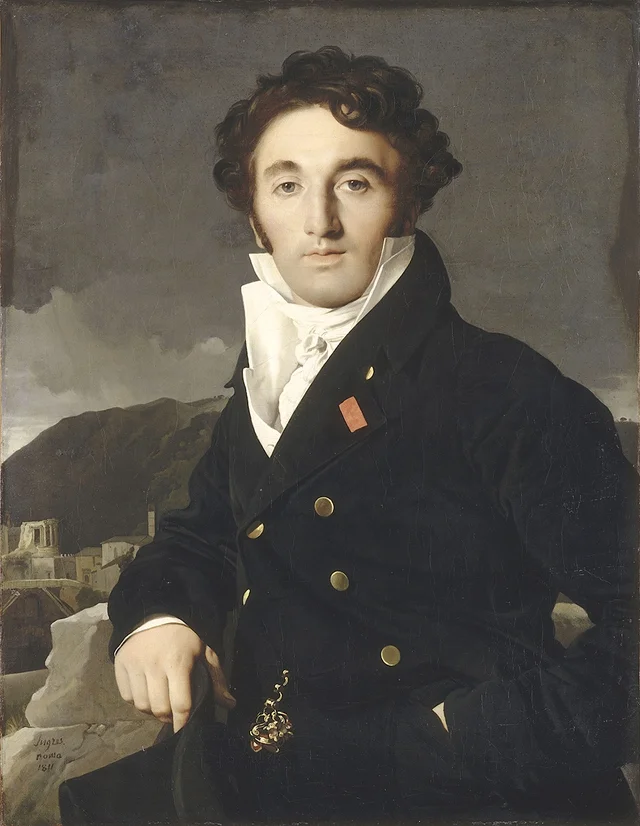 Charles CordierJean-Auguste-Dominique Ingres, 1811
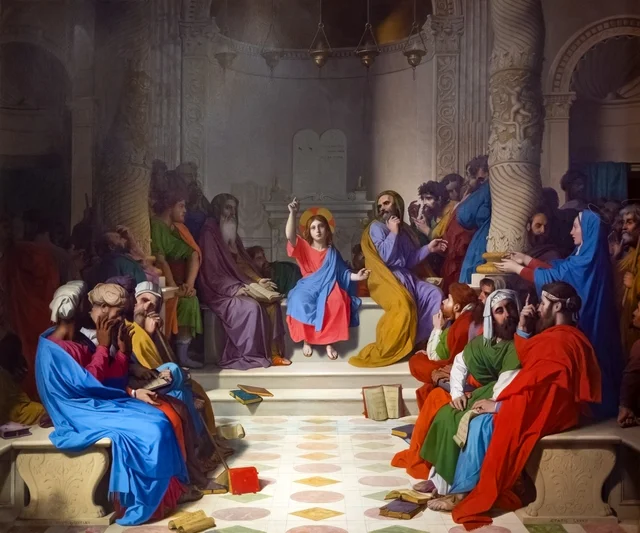 Jesus among the doctorsJean-Auguste-Dominique Ingres, 1862
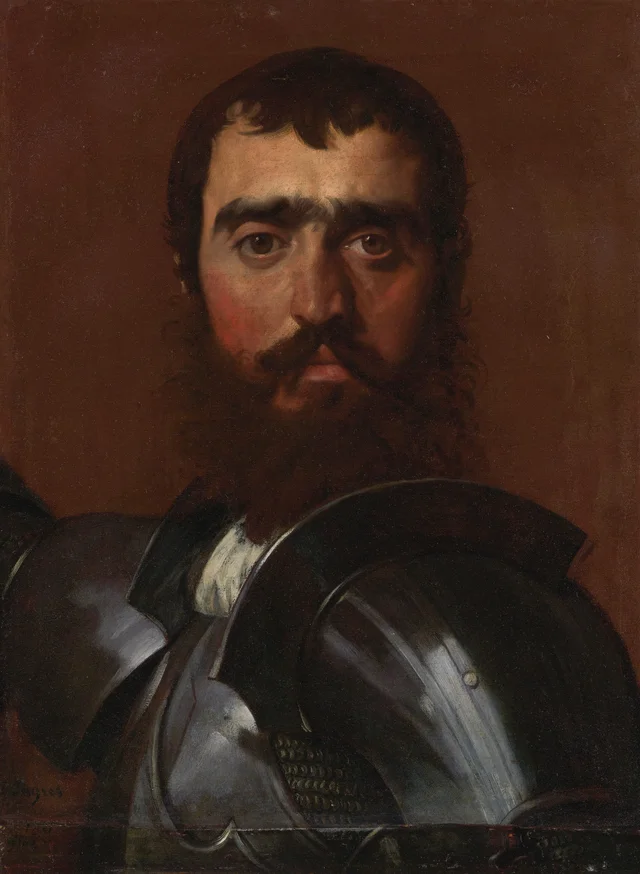 Le CondottiereJean-Auguste-Dominique Ingres, 1821
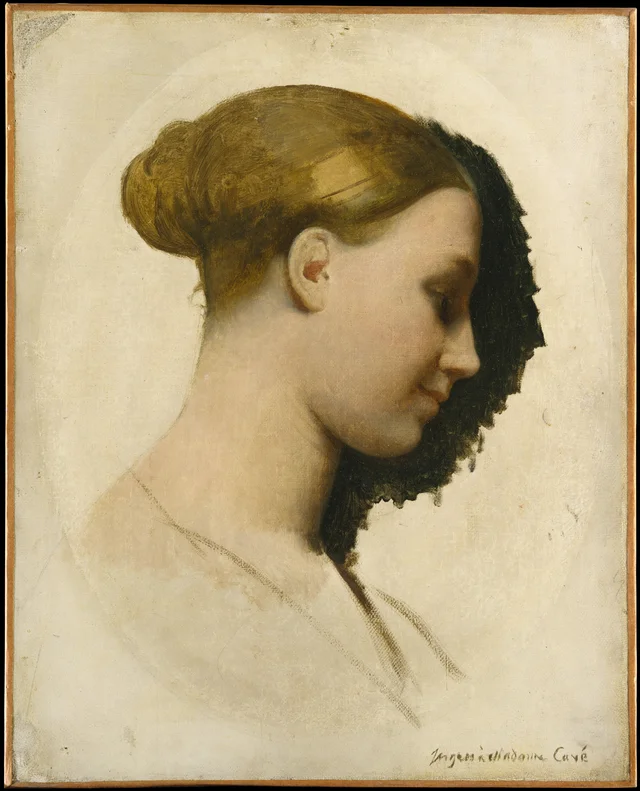 Madame Edmond Cavé (Marie-Élisabeth Blavot, born 1810)Jean-Auguste-Dominique Ingres, 1831
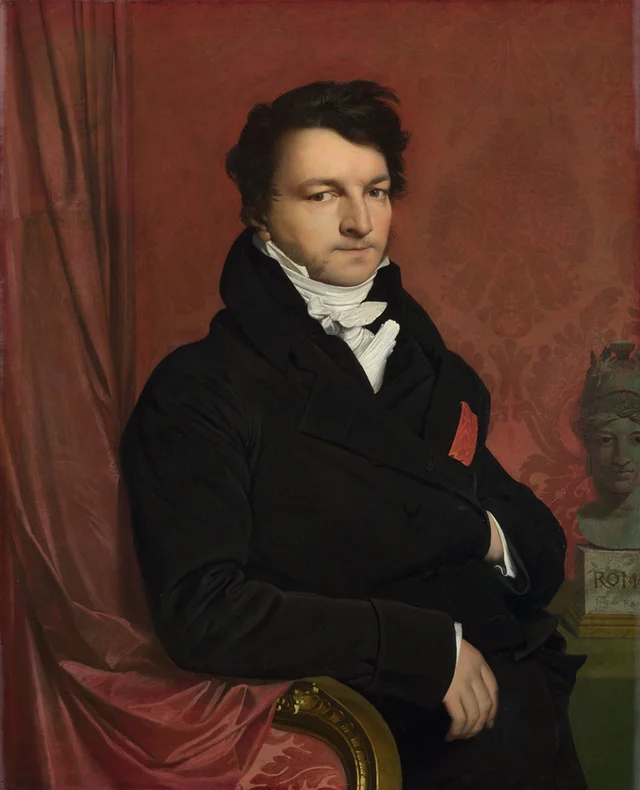 Monsieur de NorvinsJean-Auguste-Dominique Ingres, 1810
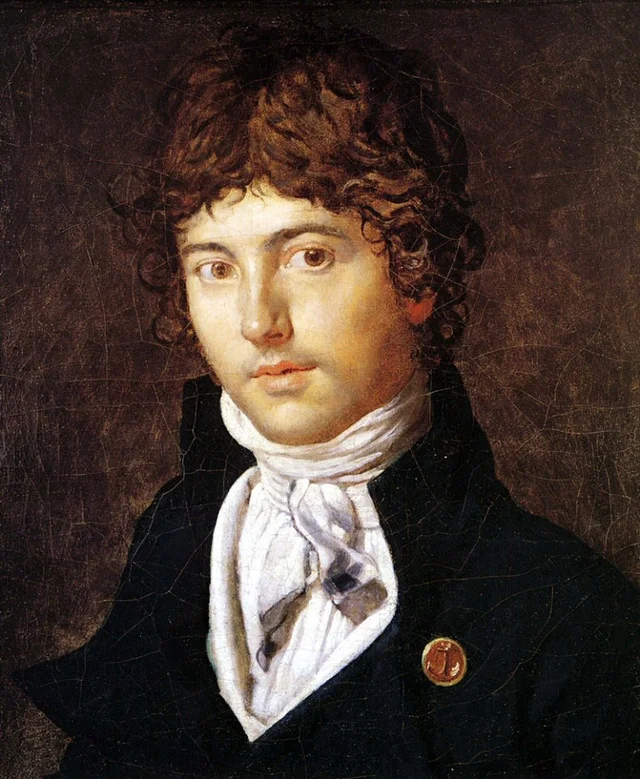 Pierre-François BernierJean-Auguste-Dominique Ingres, 1800
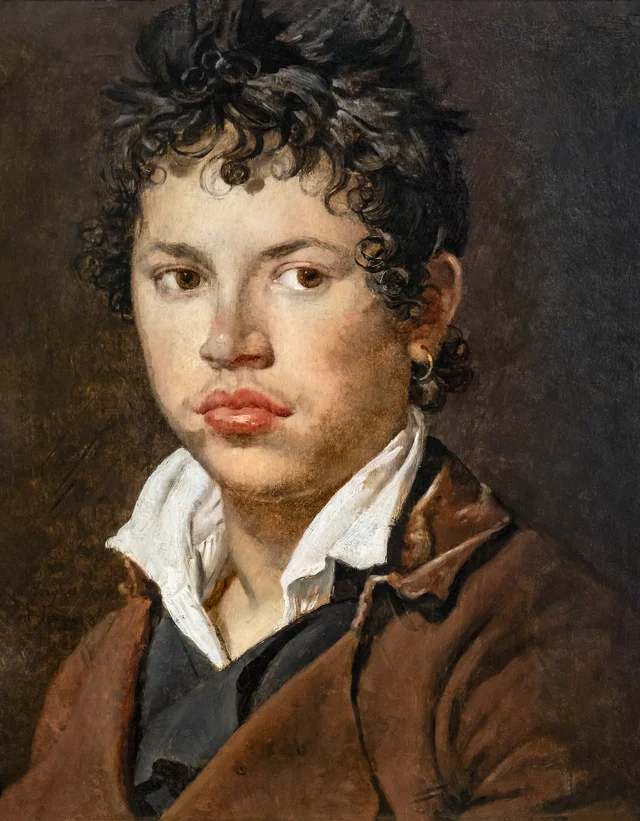 Portrait of a Young Man with an EarringJean-Auguste-Dominique Ingres, 1804
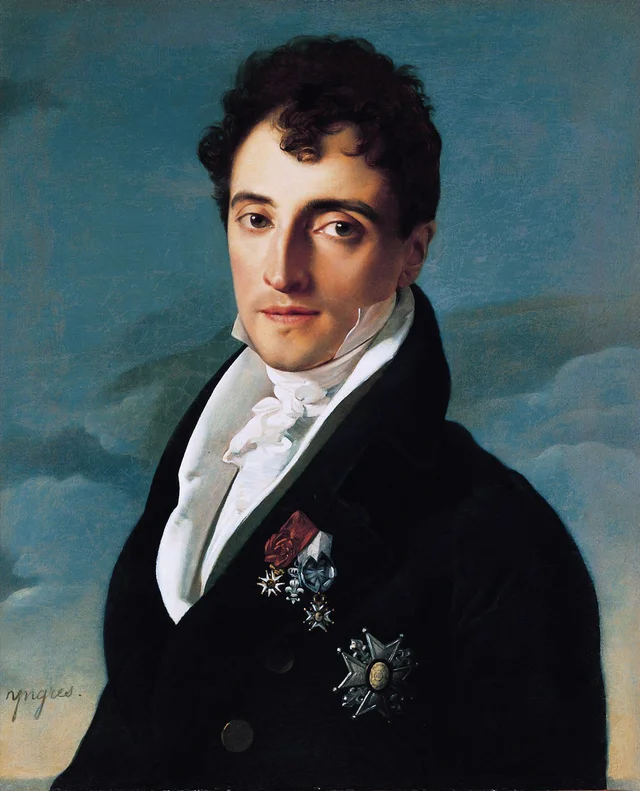 Portrait of Baron Joseph-Pierre Vialetès de MortarieuJean-Auguste-Dominique Ingres, 1805
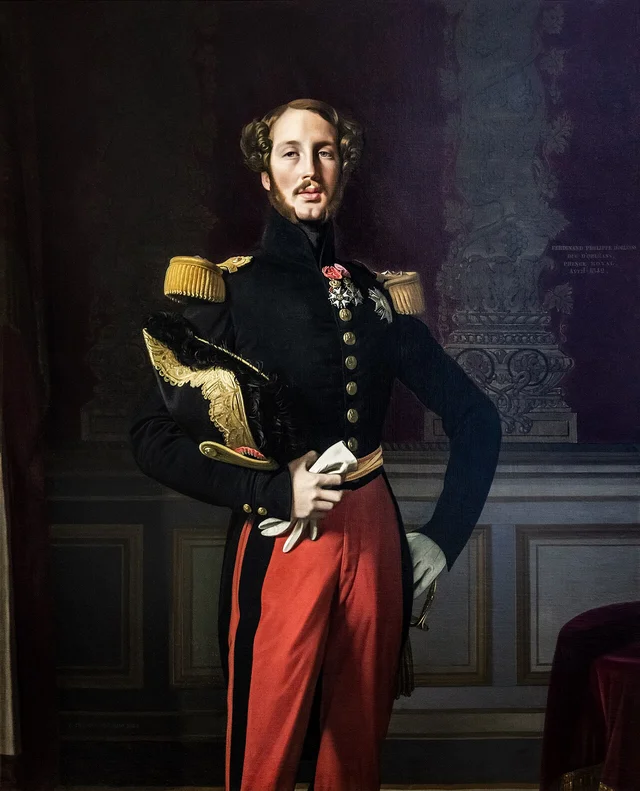 Portrait of Ferdinand-Philippe, Duke of OrleansJean-Auguste-Dominique Ingres, 1842
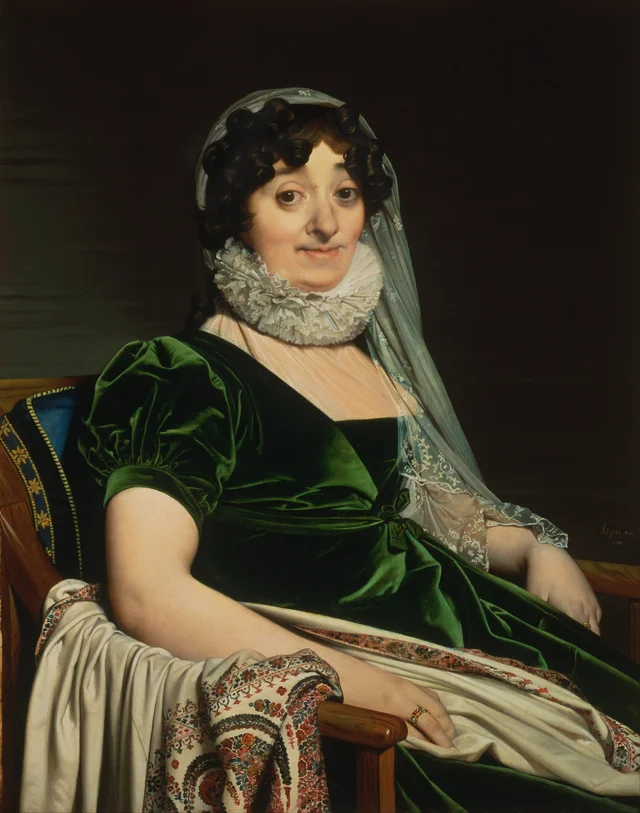 Portrait of the Countess of TournonJean-Auguste-Dominique Ingres, 1812
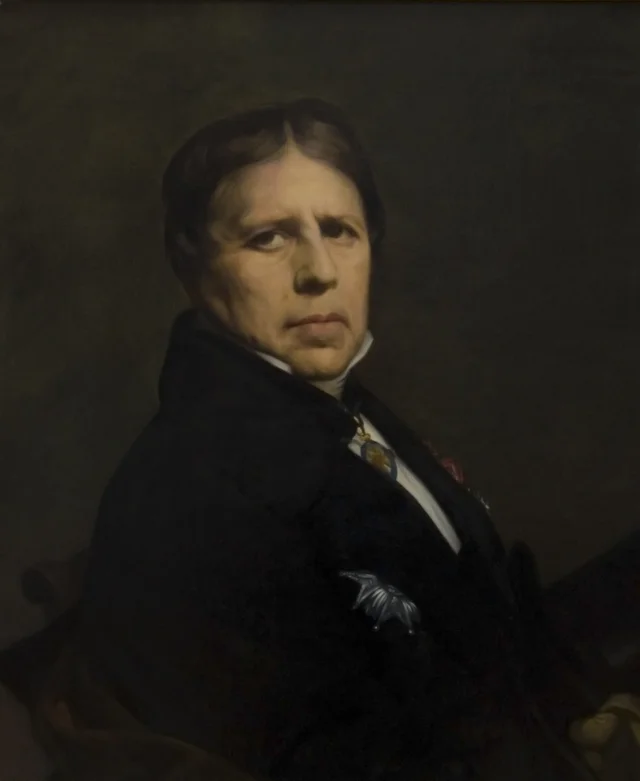 Self-portraitJean-Auguste-Dominique Ingres, 1864
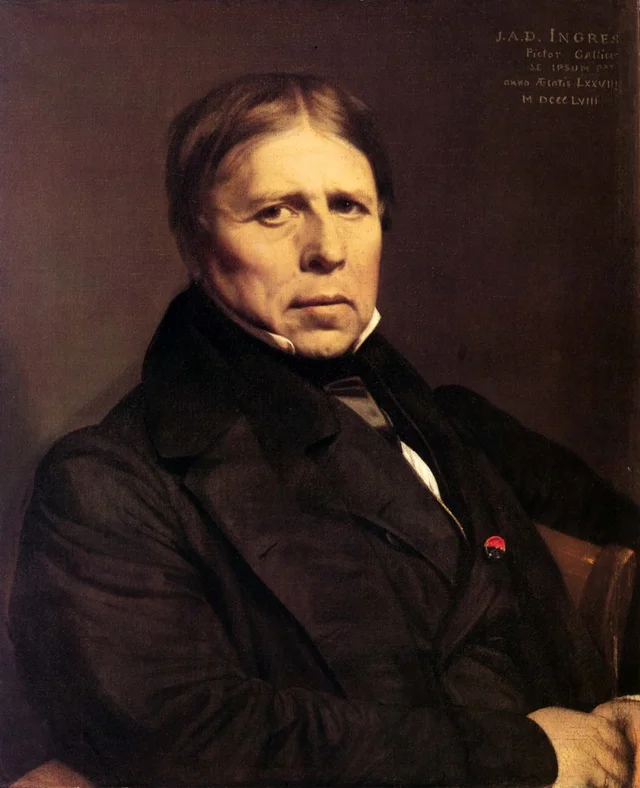 Self-portraitJean-Auguste-Dominique Ingres, 1858
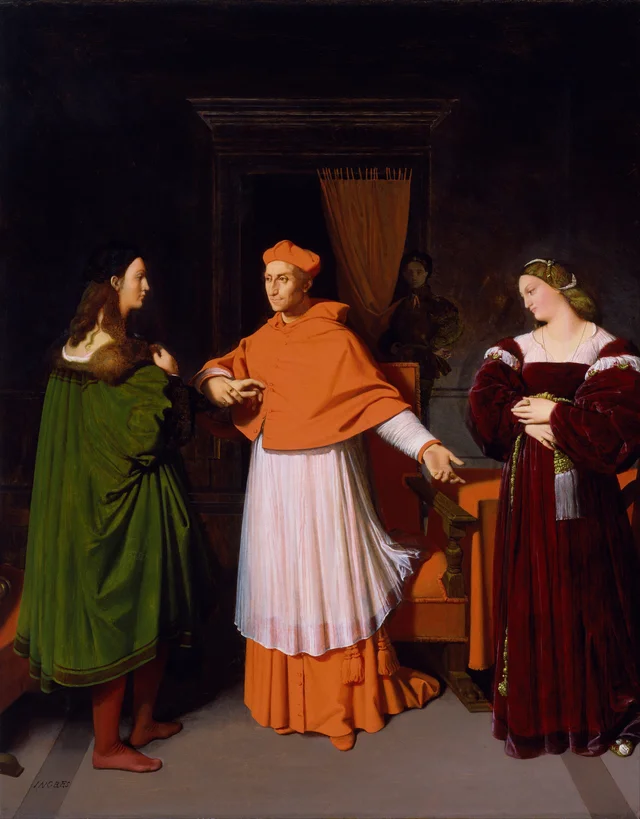 The Betrothal of Raphael and the Niece of Cardinal BibbienaJean-Auguste-Dominique Ingres, 1813
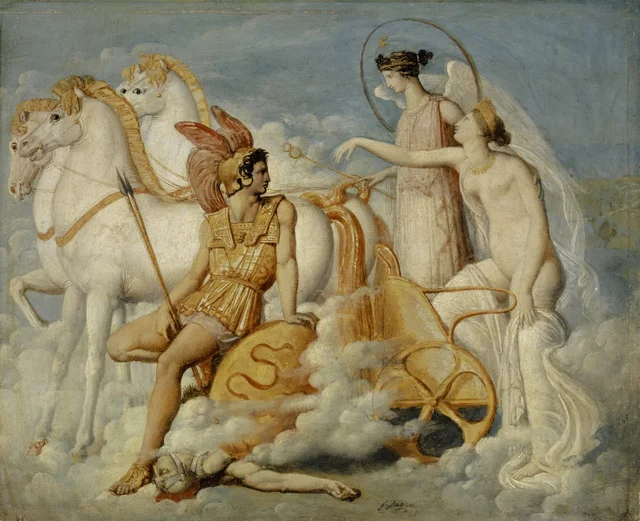 Venus, Injured by Diomedes, Returns to OlympusJean-Auguste-Dominique Ingres, 1805