
Jean-Baptiste Greuze
1725–1805 · France · Rococo
The story
In the 1760s the most talked-about pictures at the Paris Salon were tearful domestic dramas by Jean-Baptiste Greuze. He painted ordinary families at emotional peaks, a father's deathbed, a bride leaving home, a spoiled child, staged like scenes from a play and loaded with moral lessons.
The critic Denis Diderot, the era's most powerful voice on art, adored him and held him up as proof that painting could make people better. Greuze also traded in a softer, sly kind of picture, pretty girls with symbols of lost innocence, most famously a young woman clutching a shattered jug in The Broken Pitcher.
His reputation did not survive the change in taste. As the cooler Neoclassical style took over and then the Revolution swept away his aristocratic buyers, Greuze fell out of fashion and lost his money. He died in Paris in 1805, largely forgotten, in rooms in the Louvre where the state let poor old artists live.
Works
15 works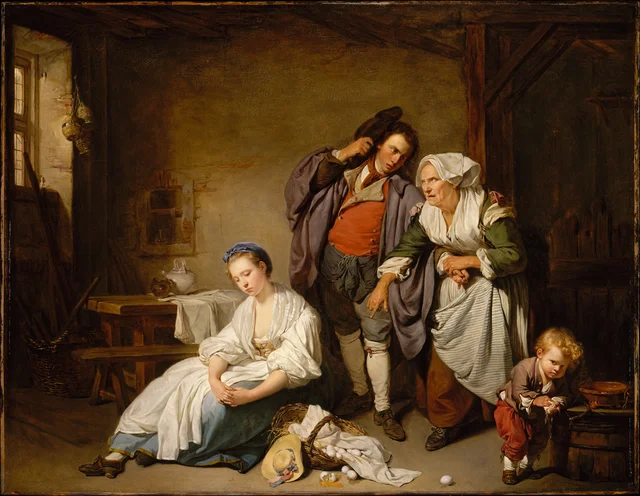 Broken EggsJean-Baptiste Greuze, 1756
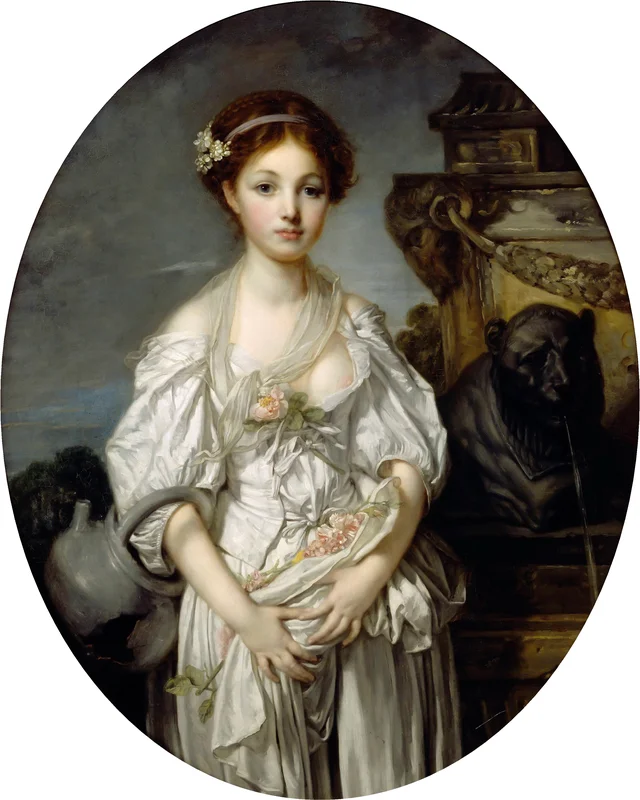 The broken pitcherJean-Baptiste Greuze, 1771
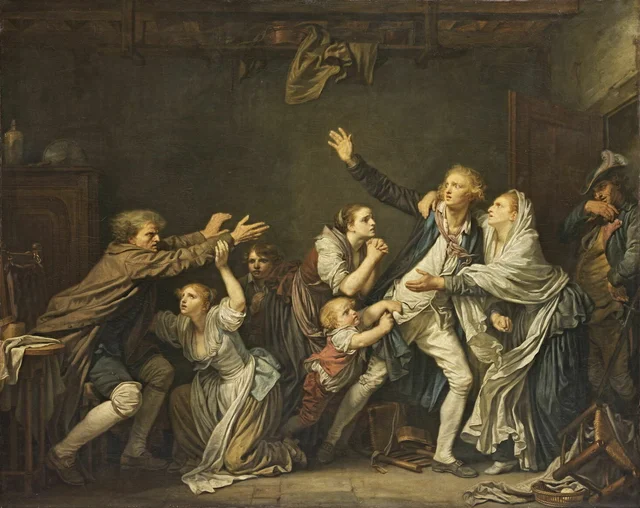 The Father's Curse - The Ungrateful SonJean-Baptiste Greuze, 1777
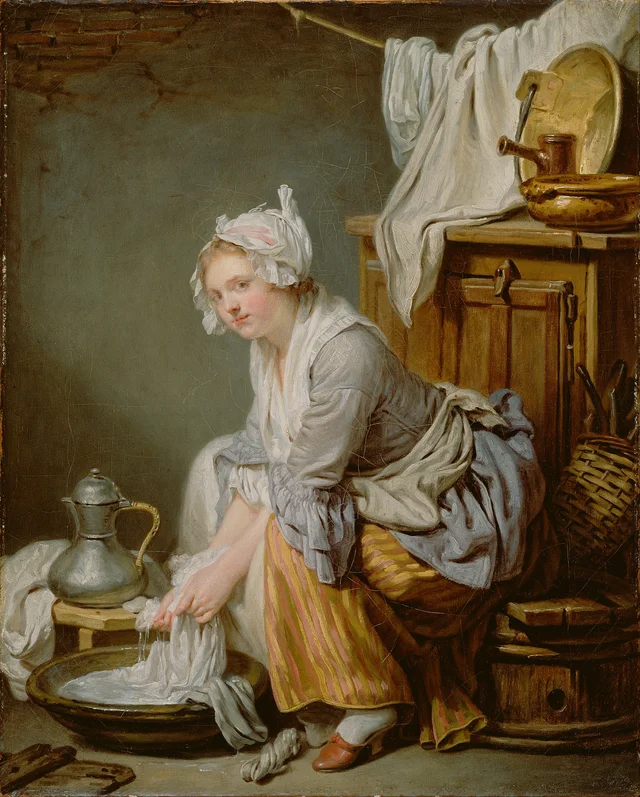 The Laundress (La Blanchisseuse)Jean-Baptiste Greuze, 1761
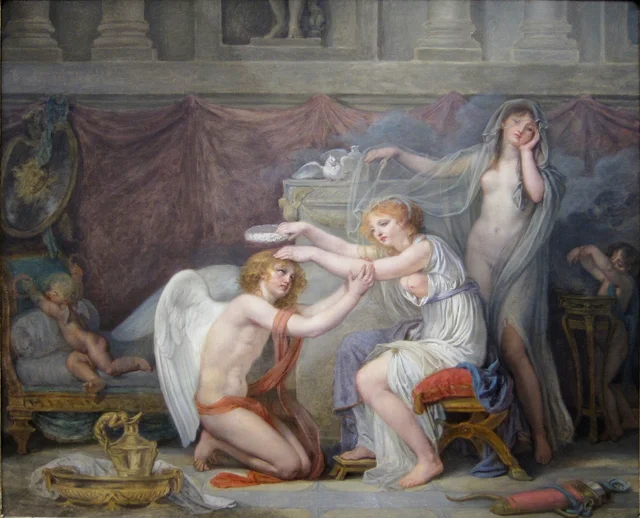 Cupid Crowned by PsycheJean-Baptiste Greuze, 1787
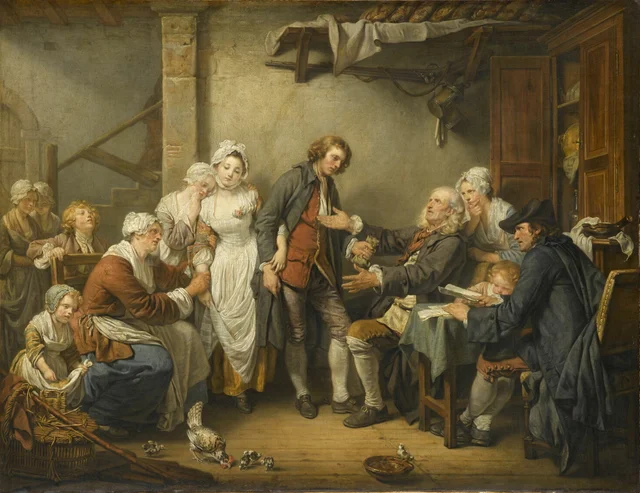 The Village BrideJean-Baptiste Greuze, 1761
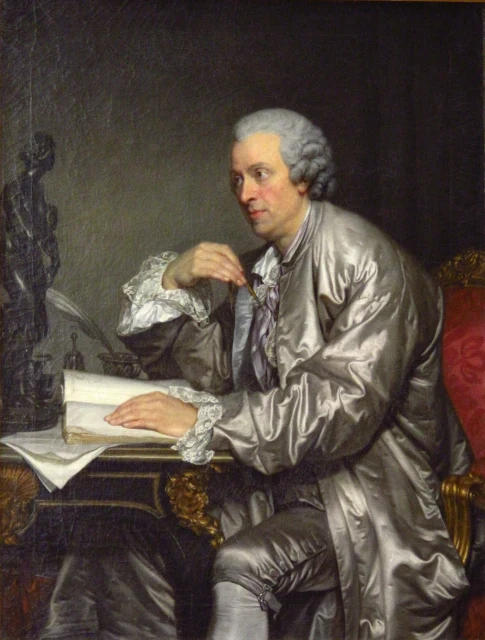 Portrait of Claude-Henri WateletJean-Baptiste Greuze, 1765
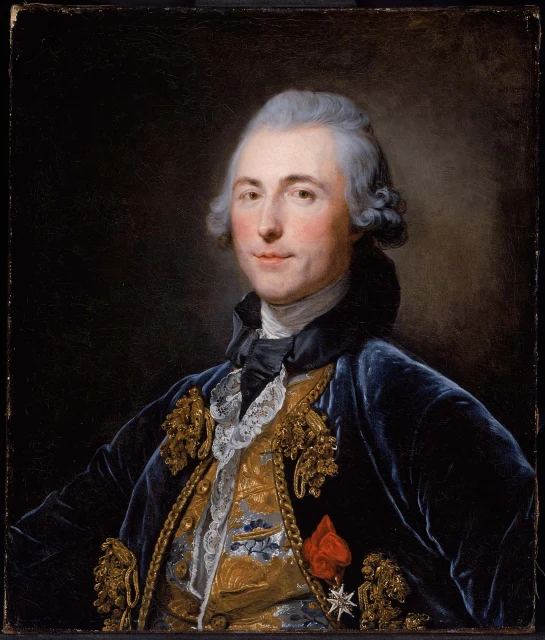 Presumed Portrait of Chevalier de DameryJean-Baptiste Greuze, 1765
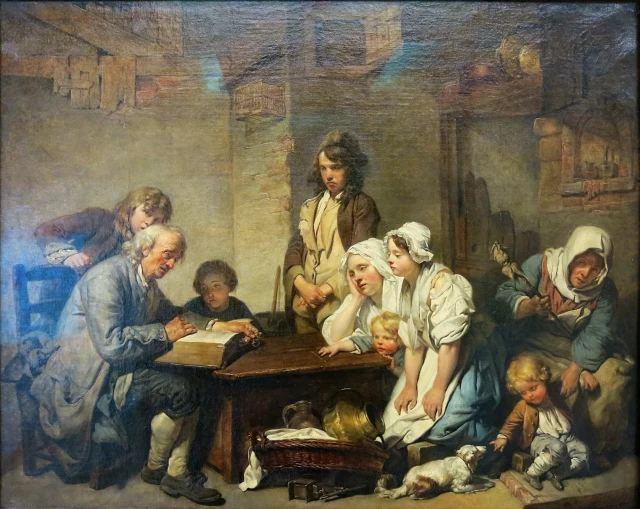 Reading the BibleJean-Baptiste Greuze, 1755
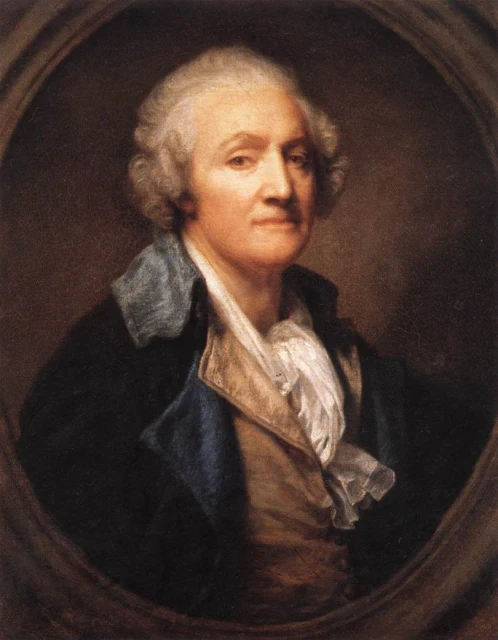 Self-PortraitJean-Baptiste Greuze, 1785
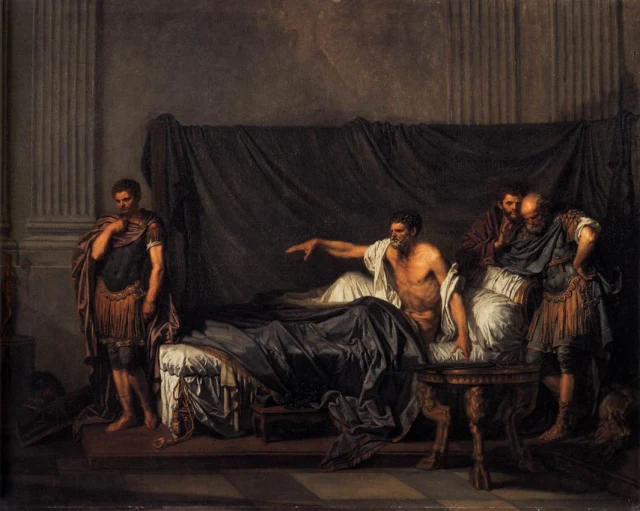 Septimius Severus and CaracallaJean-Baptiste Greuze, 1769
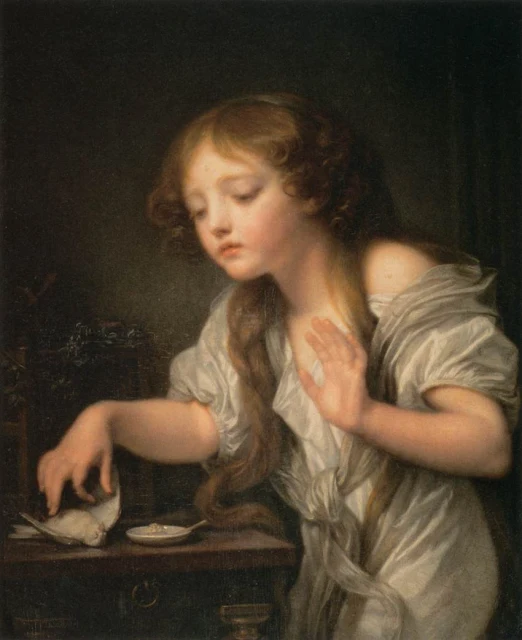 The Dead BirdJean-Baptiste Greuze, 1800
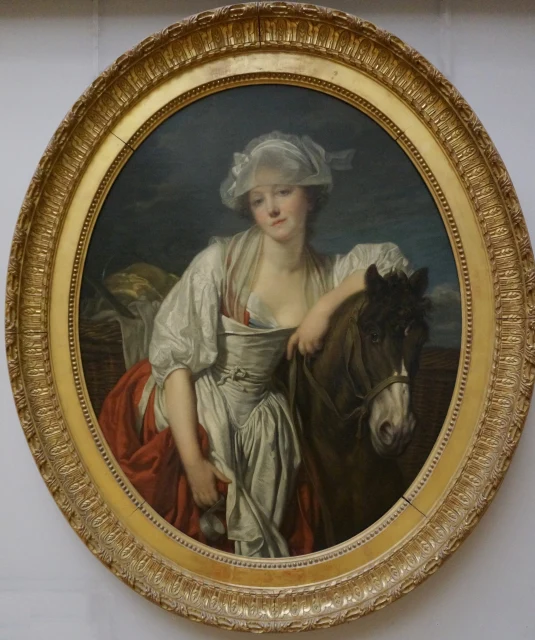 The MilkmaidJean-Baptiste Greuze, 1772
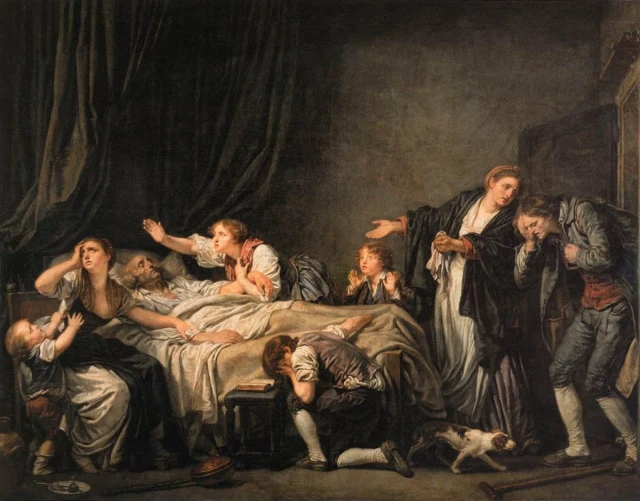 The Punished SonJean-Baptiste Greuze, 1778
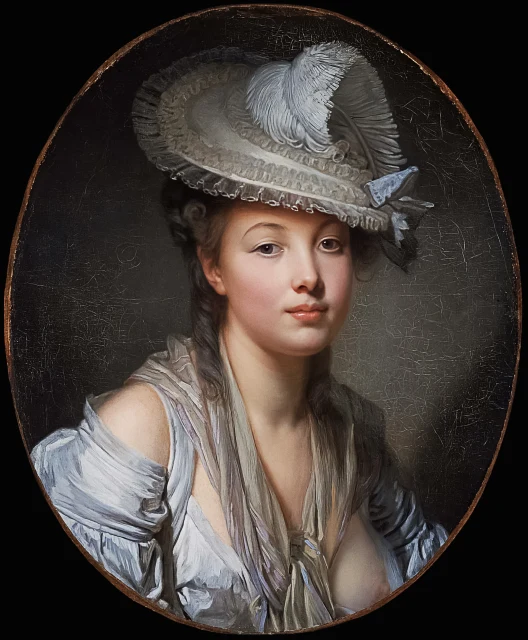 The White HatJean-Baptiste Greuze, 1780