Jean-Baptiste Santerre
1651–1717 · France · Classicism
The story
In 1704 the Academy of Painting in Paris admitted a new member on the strength of a bathing Susanna, the biblical wife spied on by two elders. Jean-Baptiste Santerre's version, now in the Louvre, gave that old moral subject an unmistakable sensuality, and it announced the kind of painter he would be.
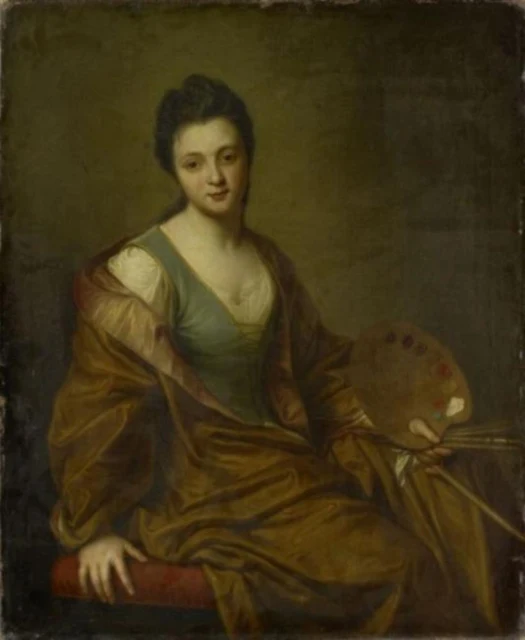
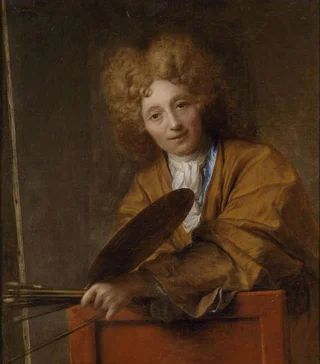
He had grown up near Magny-en-Vexin, north of Paris, and first made his name with what a later biographer called têtes de fantaisie, half-length young women in invented costume, closer to daydream than to real portraiture. Santerre kept live models in his studio and built a reputation for painting skin with the soft, close finish he admired in Dutch cabinet painters such as Gerrit Dou.
That same warmth caused trouble when it reached the altar. His Saint Teresa in ecstasy, commissioned by Louis XIV for the royal chapel at Versailles, struck many churchmen as too openly physical for a place of worship, and the complaints followed him. He was still at work in Paris when he died in 1717, at 66.