Johan Jongkind
1819–1891 · Kingdom of the Netherlands · Impressionism, Marine painting, Romanticism
The story
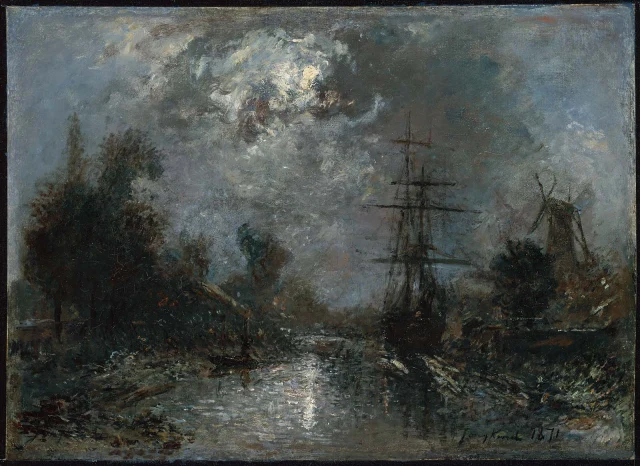
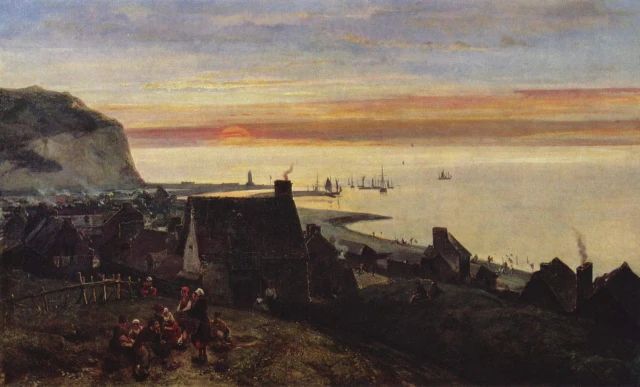
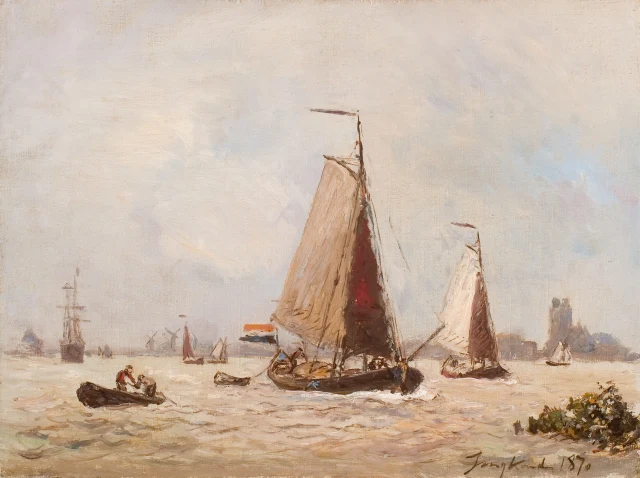
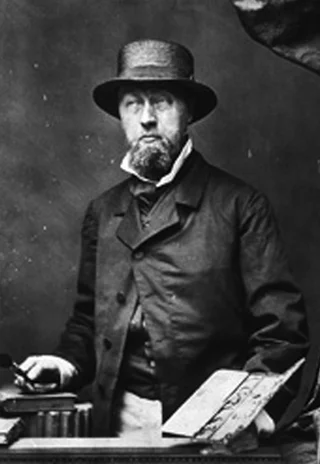
In the summer of 1862, on the Normandy coast near Le Havre, the young Claude Monet fell in with a shabby, restless Dutchman nearly thirty years his senior. Johan Jongkind had come from the Netherlands, trained in the sober tradition of Dutch marine painting, and settled in France. Out on the beaches and in the harbours of Honfleur and Le Havre he was doing something the academies had no name for, painting the sea, the sky and the changing light quickly, outdoors, in loose watercolour and rapid oil sketches.
Monet later said he owed Jongkind the definitive education of his eye, and counted him, after the older beach painter Eugene Boudin, as his real teacher. What Monet learned there, that a coastline and its weather could be caught in a few free strokes, became a backbone of Impressionism a decade later.
Jongkind's own life was hard. He struggled with drink and with bouts of mental illness, and for years sold little. His reputation grew mostly among other painters, who saw where his work was heading before the public did. He spent his last years in the countryside near Grenoble, in south-eastern France, still filling notebooks with watercolours of skies and water, the medium in which he had always been freest.