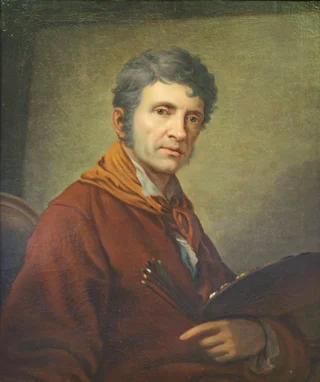
Johann Baptist von Lampi the Elder
1751–1830 · Austrian Empire, Prince-Bishopric of Trent · Neoclassicism, Romanticism
The story
Johann Baptist von Lampi followed European power eastward, and it made him rich. Trained in northern Italy and established in Vienna, where Emperor Joseph II named him a professor at the Academy in 1786, he was soon invited to Warsaw by Stanisław August, the last king of Poland, whose court he painted through its final years.
When Poland was carved up among its neighbors, Lampi moved on to Saint Petersburg in 1791. There he became a favorite of Catherine the Great, painting the aging empress and the wider imperial family, and was granted a hereditary title of nobility. Russian sitters paid handsomely for his smooth, flattering likenesses, and he built a considerable fortune before returning to Vienna for good.
He worked in the elegant manner that sits between late Baroque and Neoclassicism, all silk, medals and composed dignity. Both his sons became painters too. The elder, also named Johann Baptist, stayed on in Russia for years, working in his father's style. Lampi died in Vienna in 1830, at 78. His portraits of Catherine and her court still hang in the Hermitage and other Russian collections.
Works
5 works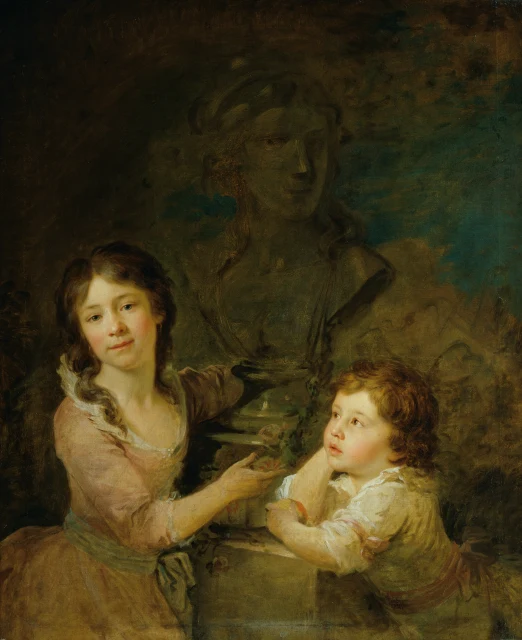 Caroline and Victor of TomatisJohann Baptist von Lampi the Elder, 1788
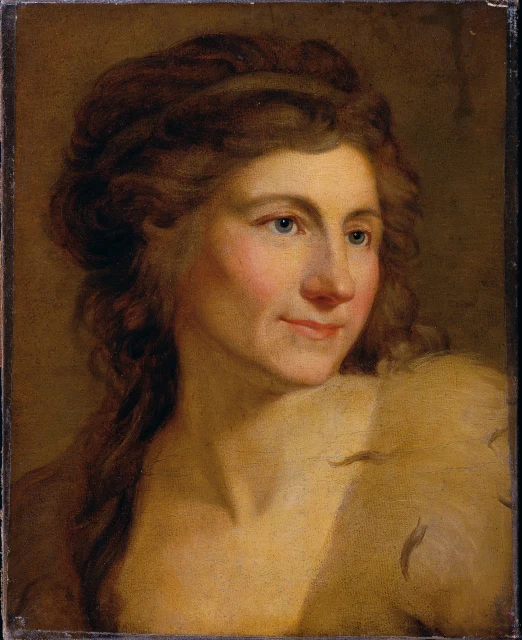 Countess Catarina of TomatisJohann Baptist von Lampi the Elder, 1788
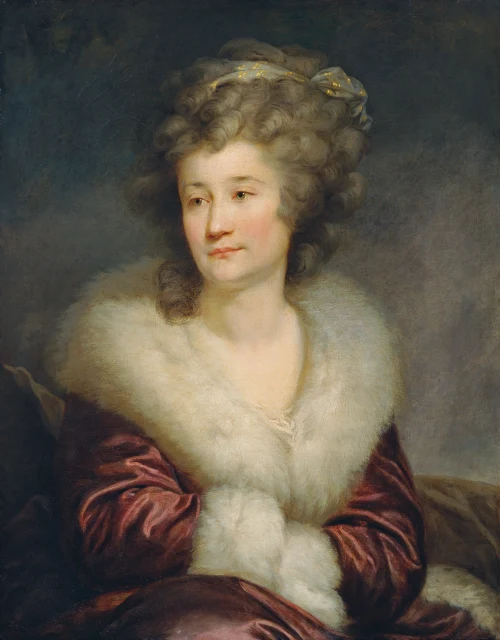 Countess Nicolai, née PotockaJohann Baptist von Lampi the Elder, 1789
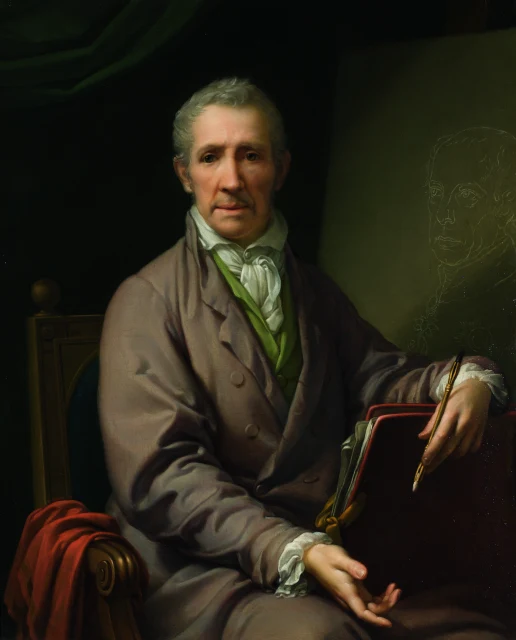 Self-Portrait at the EaselJohann Baptist von Lampi the Elder, 1828
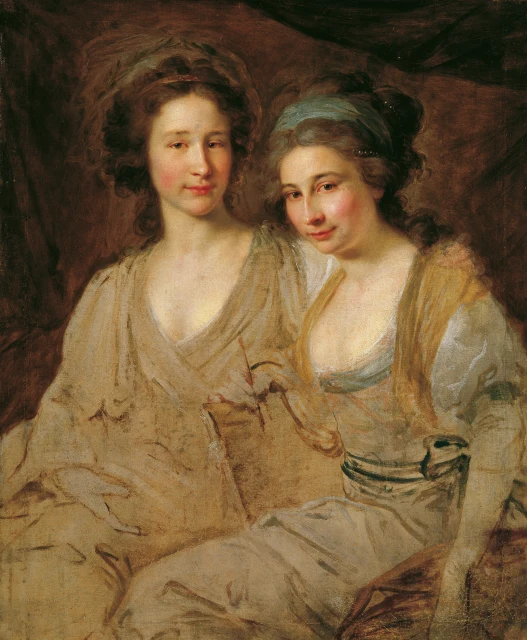 The Countesses Zoë and Adelaide of TomatisJohann Baptist von Lampi the Elder, 1788