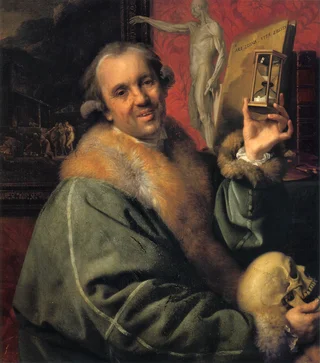
Johann Zoffany
1733–1810 · Holy Roman Empire, Kingdom of Great Britain · Neoclassicism
The story
Queen Charlotte, wife of George III, sent Johann Zoffany to Florence around 1772 with a plum commission, a painting of the Tribuna, the octagonal room in the Uffizi gallery where the grand duke of Tuscany kept his finest treasures. Zoffany crammed the canvas with real masterpieces and with the British gentlemen then touring Italy, and he took six years over it. When it reached London the queen was not pleased, partly because he had slipped in a few figures and jokes she found indecent.
German by birth, Zoffany had made his name in England painting conversation pieces, informal group portraits in which families and friends stand about a room as if caught mid-visit. The actor David Garrick, the biggest star of the London stage, became an early patron, and Zoffany painted him in his most famous roles. He was among the founding members of the Royal Academy in 1768.
When fashion cooled at home, he sailed to India and spent about six years between Calcutta and Lucknow, painting British colonials and Indian nobles, among them a raucous scene of a cockfight staged for a local ruler. He came back a wealthy man and settled near London, where he died in 1810.
Works
6 works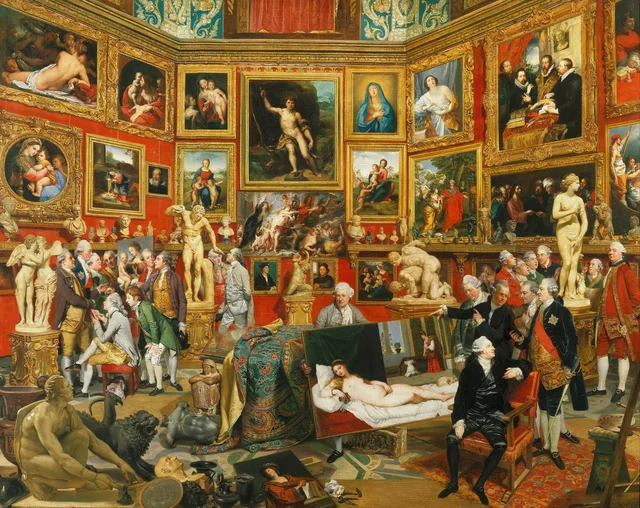 The Tribuna of the UffiziJohann Zoffany, 1774
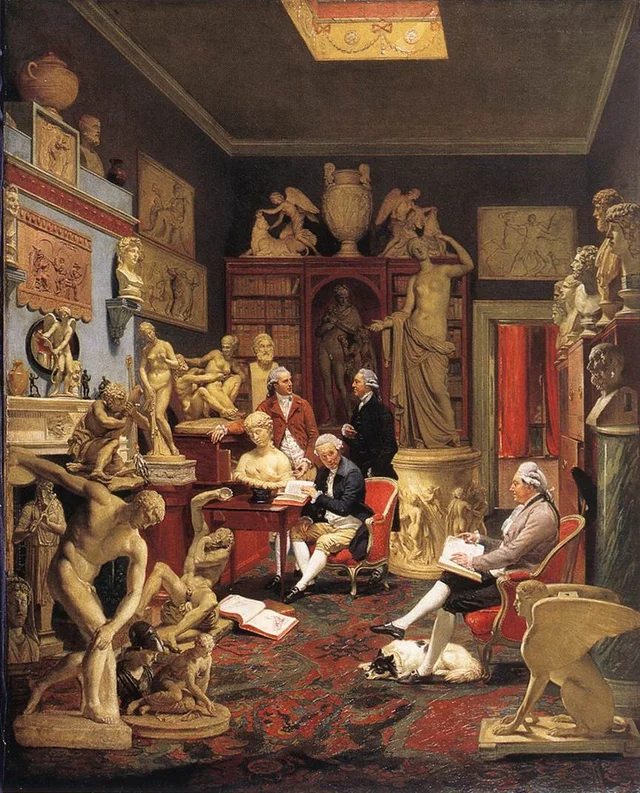 Charles Townley in his Sculpture GalleryJohann Zoffany, 1781
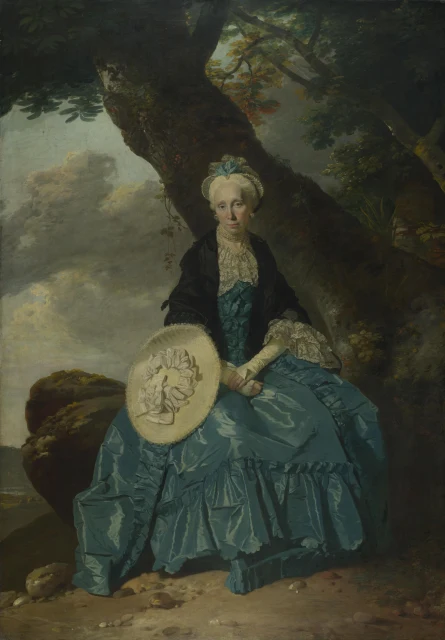 Mrs OswaldJohann Zoffany, 1763
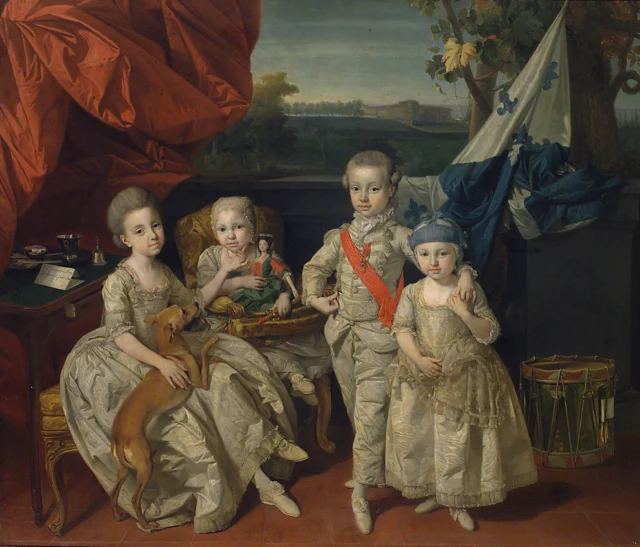 Prince Louis of Parma (1773–1803) with His Three Eldest Siblings, Caroline, Maria Antonia and CharlotteJohann Zoffany, 1778
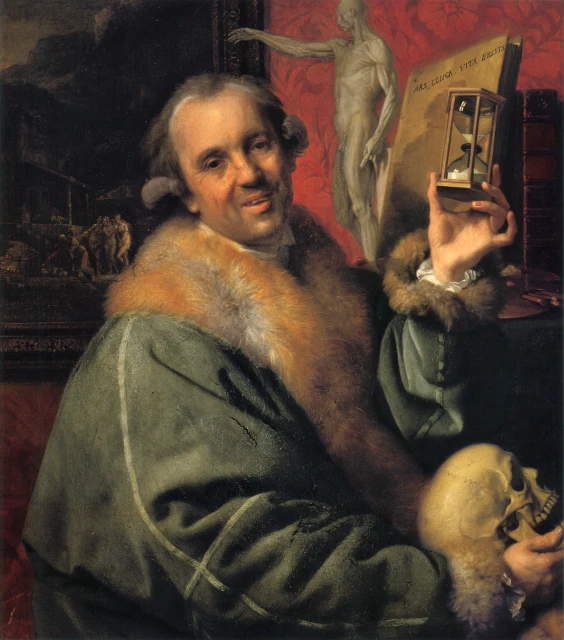 Self-portraitJohann Zoffany, 1776
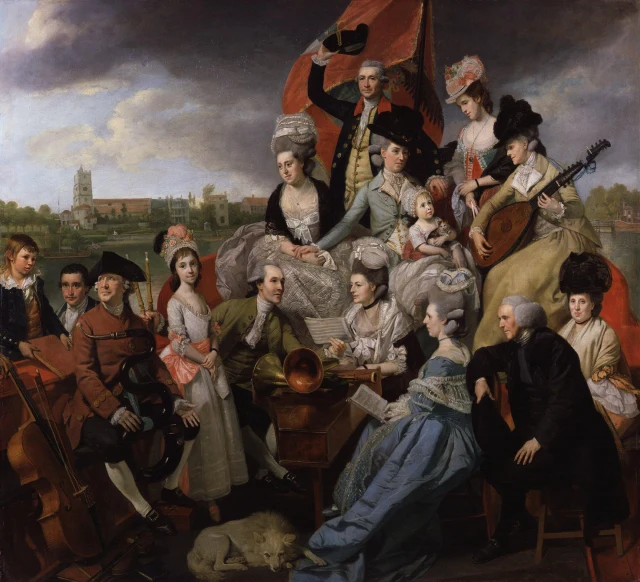 The Sharp FamilyJohann Zoffany, 1780