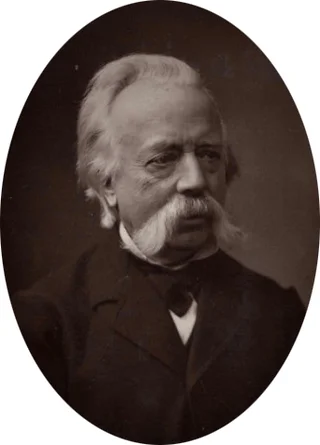
Johannes Warnardus Bilders
1811–1890 · Kingdom of the Netherlands · Hague School, Oosterbeek School
The story
Oosterbeek is a village on the wooded edge of the Veluwe, between Arnhem and the Rhine. Bilders first settled there in 1841 and kept returning for the rest of his life, painting the woods and heath from what was in front of him. Younger painters came out to join him. The place picked up the nickname the Dutch Barbizon, after the wood outside Paris where French painters like Millet and Théodore Rousseau went to work straight from nature, and the loose company around Bilders is remembered as the Oosterbeek School.
Who came through is why the name survives. Anton Mauve, Paul Gabriël and the Maris brothers learned from him, and they went on to build the Hague School, the grey-toned Dutch landscape painting of the later 19th century. Bilders himself stayed on the near side of that shift. His woodland pieces keep a warmer, browner light, closer to the Dutch 17th century than to what his pupils did next.
His son Gerard, whom he taught to draw, was thought the more naturally gifted of the two. He died of tuberculosis in 1865, at 26. Johannes Kneppelhout, the writer who had been paying for Gerard's training, published the letters and diary soon after. Vincent van Gogh read them in The Hague in 1882 and wrote to his brother that he found something weak in Bilders, a plant that shoots up too early to stand a frost. The father died at Oosterbeek in 1890, 25 years after the son.