Joseph Vivien
1657–1734 · Kingdom of France · Baroque
The story
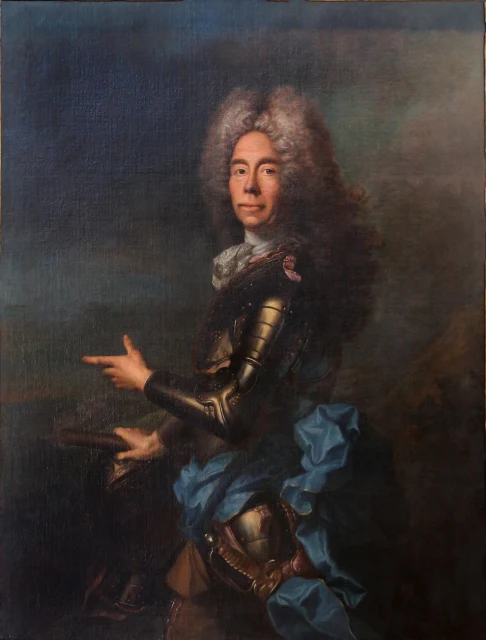
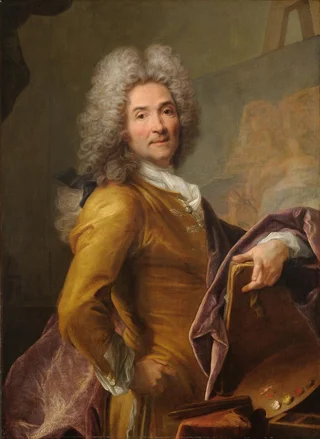
In 1699 the French critic Florent Le Comte called Joseph Vivien the Van Dyck of the century for pastel, a painter who took his methods from oil and worked them out in sticks of coloured chalk. Pastel was then a rarely used medium in Paris, and Vivien, born in Lyon in 1657, seems to have taken it up to stand apart from the rival portraitists of his day. In 1701 the royal academy received him as a painter in pastel, and at the Salon of 1704 he showed 24 portraits at once.
His great patron was Max Emanuel, Elector of Bavaria, who had engaged him by 1698, while he was governing the Spanish Netherlands from Brussels. The self-portrait Vivien made in 1699 for the Grand Duke of Tuscany's collection of painters' portraits carries a long Latin inscription that casts the Elector as Alexander the Great and Vivien as his Apelles, the court painter of antiquity.
Worry at the German courts that pastel was too fragile for official portraits seems to have turned him back towards oil. His last years went into a vast allegorical painting of the Elector's reunited family. He showed it to Louis XV at Versailles, carried it to Bonn himself in a hard winter, and died there in December 1734.