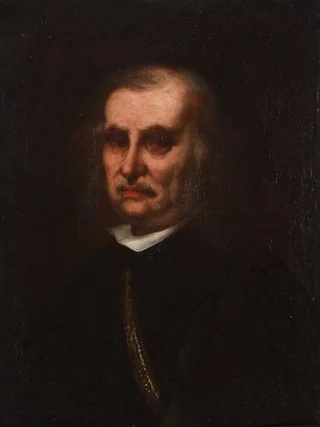
Juan Carreño de Miranda
1614–1685 · Spain · Baroque
The story
When Diego Velázquez died in 1660, the Spanish court needed someone to carry on painting the royal family, and within a decade that role fell to Juan Carreño de Miranda. He had come to Madrid as a boy from Avilés, on the northern coast of Asturias, and learned the trade partly by helping Velázquez decorate the rooms of the Alcázar, the royal palace. In 1671 he was named court painter to Charles II.
Charles was the last Habsburg king of Spain, sickly and physically frail after generations of royal intermarriage, and Carreño painted him again and again without flattery, in black court dress against the dim mirrored galleries of the palace. He did the same for the boy's mother, the regent Mariana of Austria, in her widow's habit. Among his stranger commissions were two portraits of Eugenia Martínez Vallejo, a court child known for her extreme size, shown once clothed and once as a nude mythological figure.
Offered a knighthood in the Order of Santiago, a high honour, he is said to have turned it down with the remark that painting needs no honours because it can hand them out to the whole world. He kept working for the crown until his death in Madrid in 1685.
Works
7 works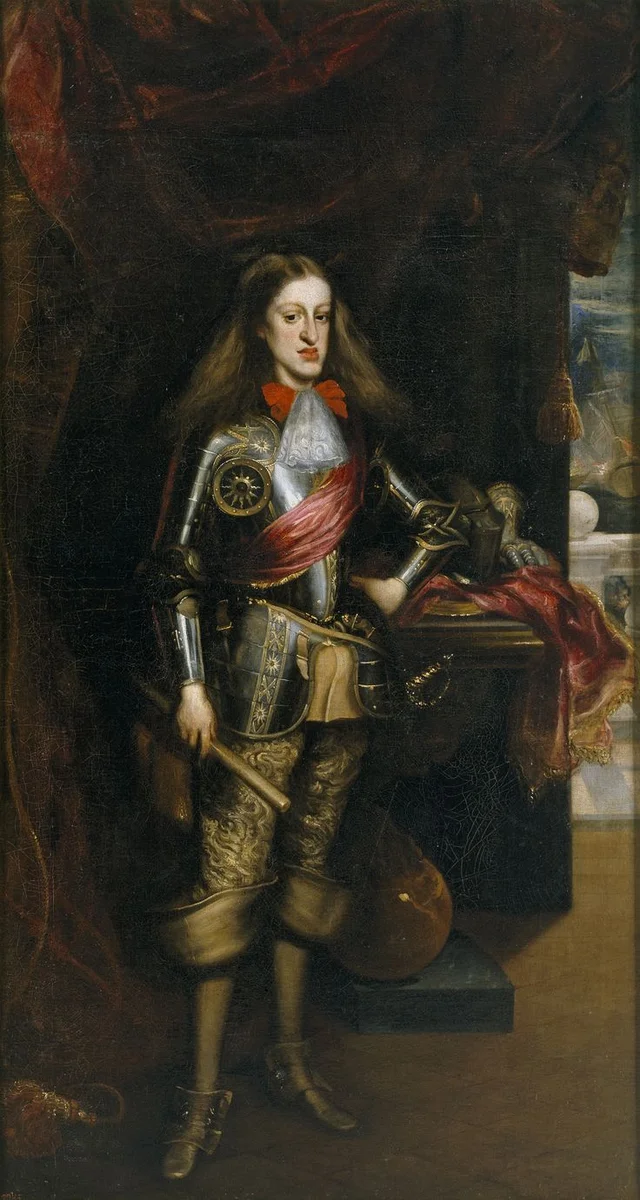 Charles II in armourJuan Carreño de Miranda, 1681
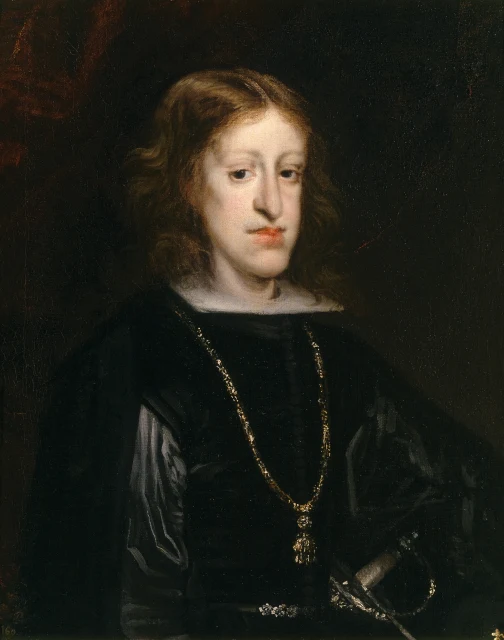 Charles II of SpainJuan Carreño de Miranda, 1680
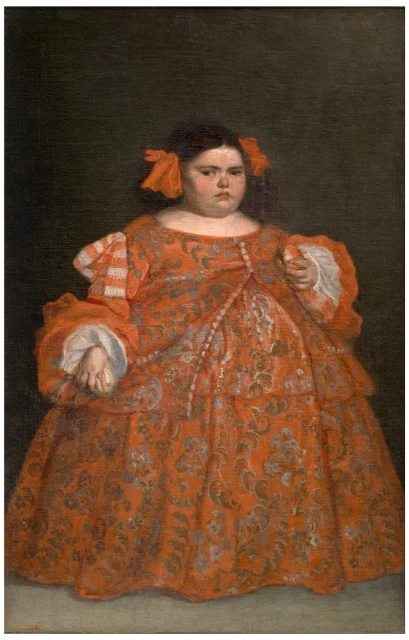 Eugenia Martínez Vallejo, ClothedJuan Carreño de Miranda, 1680
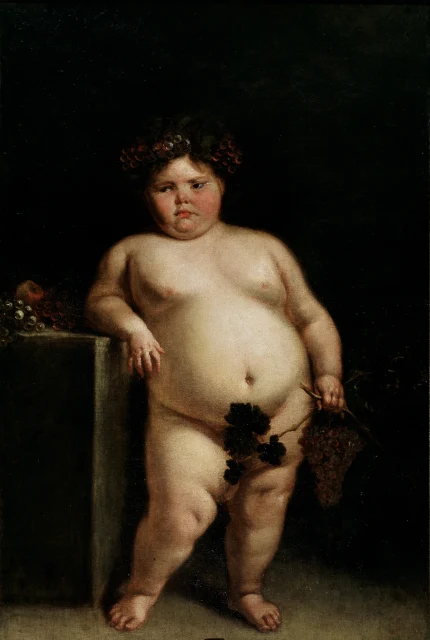 Eugenia Martínez Vallejo, NakedJuan Carreño de Miranda, 1680
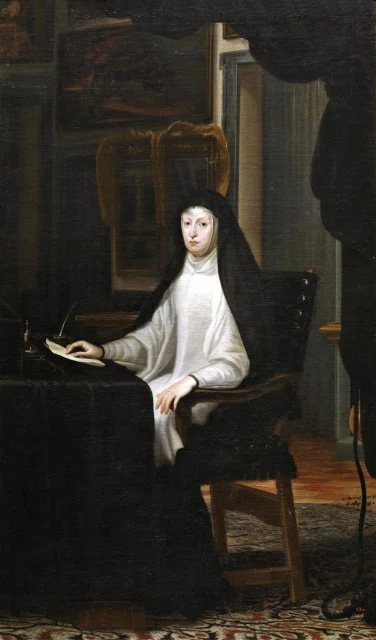 Mariana of Austria, Queen RegentJuan Carreño de Miranda, 1670
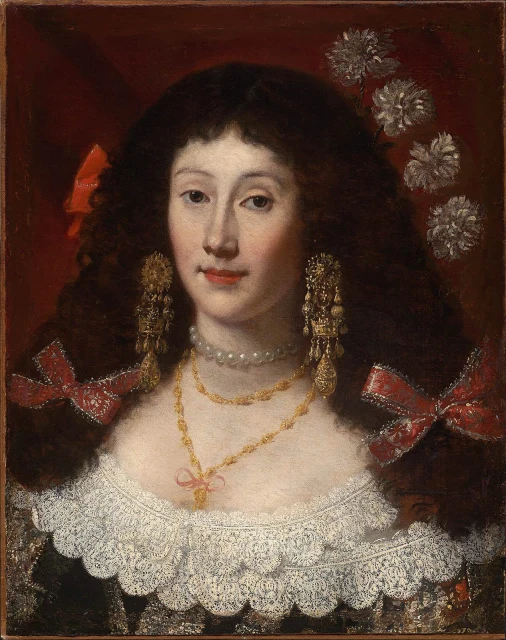 Portrait of a WomanJuan Carreño de Miranda, 1660
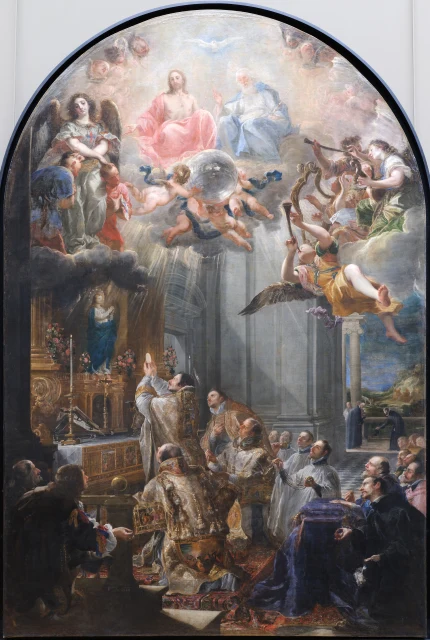 The Foundation Mass of the Trinitarian OrderJuan Carreño de Miranda, 1666