Jürgen Ovens
1623–1678 · Duchy of Schleswig, Dutch Republic · Dutch Golden Age painting, Baroque painting
The story
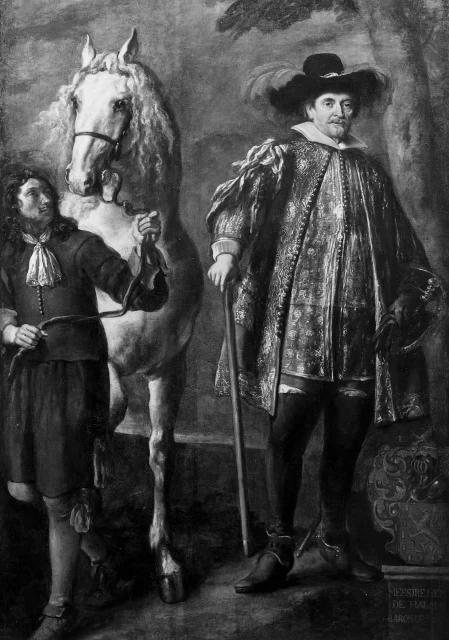
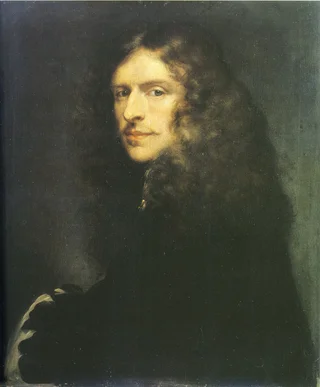
In 1662 the new town hall in Amsterdam needed a picture of Claudius Civilis, the Batavian chief who led a revolt against Rome and whom the Dutch saw as a forefather of their own freedom. Rembrandt's enormous version hung there only briefly, and the canvas that replaced it was by Jürgen Ovens. He was renting the house and studio of Govert Flinck, a former Rembrandt pupil and the city's favourite painter, who had won the original commission and died in 1660 before he could carry it out. Ovens worked up Flinck's sketch into a full canvas in four days and was paid 48 guilders. Flinck had been promised 12,000 for a series of 12 pictures. Ovens's version still hangs in the building, which is now the Royal Palace.
He was an outsider in Amsterdam. Ovens was born in 1623 in Tönning, a small port in the Duchy of Schleswig, and around 1640 he came to work for Hendrick van Uylenburgh, an art dealer with a busy painting workshop, where Flinck was painting too. The early Dutch biographer Arnold Houbraken called him a pupil of Rembrandt.
His real career was made back home. In 1652 he married Maria Martens, the daughter of a wealthy Tönning alderman, and for more than 30 years he worked for the dukes of Holstein-Gottorp as painter and art dealer. He collected for himself as well and owned six paintings by Anthony van Dyck. He died in Friedrichstadt in December 1678 and is buried in its Church of Saint Christopher, whose altarpiece he painted with his own face among the figures.