Karel Škréta
1610–1674 · Kingdom of Bohemia · Baroque
The story
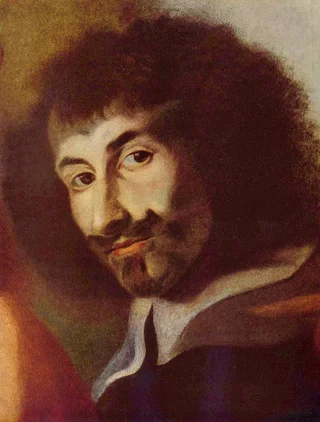
In Rome in the 1630s a young painter from Prague fell in with the Schildersbent, a rowdy fraternity of northern artists who handed each other nicknames and drank together. His name was Karel Škréta, and he had come a long way to be there. Born in Prague in 1610 into a Protestant family, he had left home in the late 1620s after Catholic forces crushed the Bohemian revolt and his family lost its standing. He spent more than ten years abroad, in Switzerland, Germany and above all Italy, studying Guido Reni and other masters.
Škréta returned to Prague in 1638, converted to Catholicism, and went to law to recover the property his family had lost, taking commissions from the Jesuits, the Catholic order then rebuilding the city's faith. He became the leading painter in Bohemia, ran a busy studio, and headed the painters' guild for a decade.
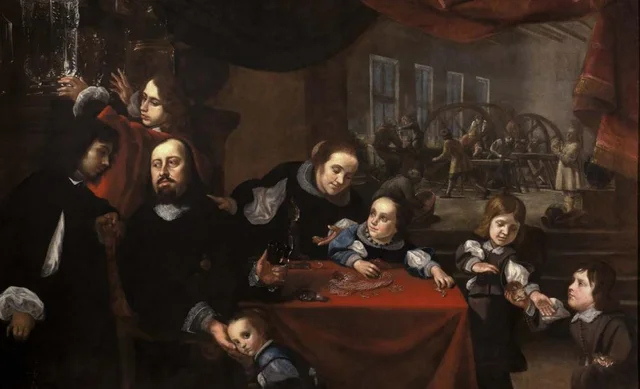
His altarpieces and sober, searching portraits are why he is remembered as the founder of Czech Baroque painting. One of the most reproduced is his portrait of the gem-cutter Dionysio Miseroni with his family, posed among the cut and uncut stones of the imperial workshop he ran.