Laurits Andersen Ring
1854–1933 · Kingdom of Denmark · Social realism, Symbolism
The story
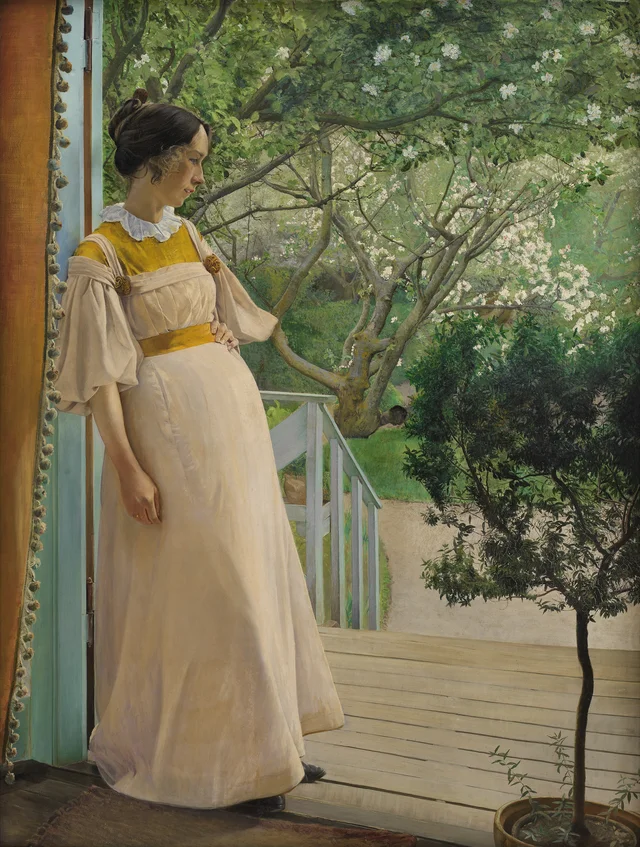
He was born Laurits Andersen in the village of Ring on the Danish island of Zealand, the son of a wheelmaker. When he became a painter he took the village's name as his own, and signed himself L. A. Ring. The place he came from stayed at the centre of what he painted.
Ring grew into one of the leading Danish artists around 1900, and helped bring two new currents into Danish painting at once, symbolism and social realism. He painted farm workers, country roads, and villagers going about lives that were quietly disappearing as Denmark modernised, often with a still, melancholy air. One strange, haunting picture shows three skulls he had seen in the Capuchin catacombs at Palermo, in Sicily.
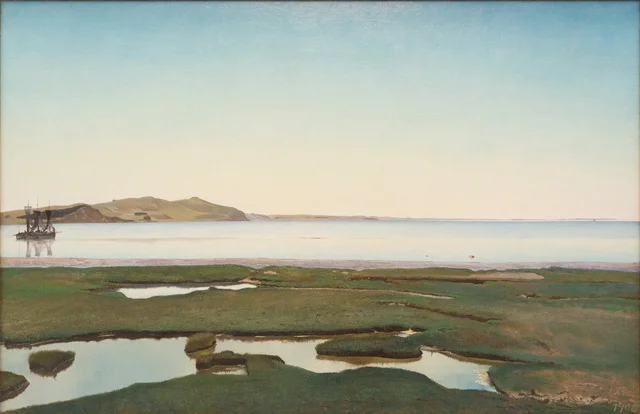
In 1896, at 42, he married Sigrid Kähler, the 21-year-old daughter of a well-known ceramicist, and settled near the coast. His Summer Day by Roskilde Fjord was later chosen for Denmark's official canon of national culture.