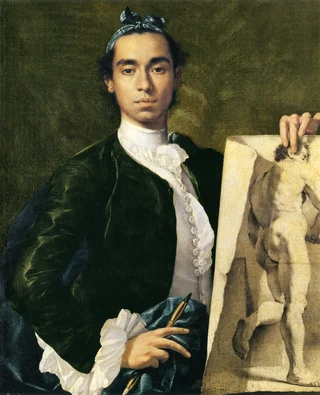
Luis Egidio Meléndez
1716–1780 · Spain · Rococo
The story
Luis Meléndez had every reason to expect a grand career and ended with almost none of it. Born in 1716 into a family of painters, he trained in Madrid and showed such promise that he helped illustrate the choir books for the royal chapel, but a quarrel his father picked with the new royal academy cost the family its standing, and the door to court patronage as a figure painter closed.
So he made his name in what was then thought a lesser field, the still life, the Spanish bodegón. Somewhere around 1760 he began a remarkable commission for the Prince of Asturias, the future King Charles IV, a set of some 44 small pictures meant to form a kind of painted natural history of the produce of Spain. He arranged bread, melons, copper pots, fish, and jars close to the eye and lit them so plainly that they seem almost within reach.
The series is his masterpiece, and it did not save him. He kept petitioning for a salaried court post and never got one. When Meléndez died in Madrid in 1780 he declared himself a pauper, and most of those still lifes now hang together in the Prado.
Works
10 works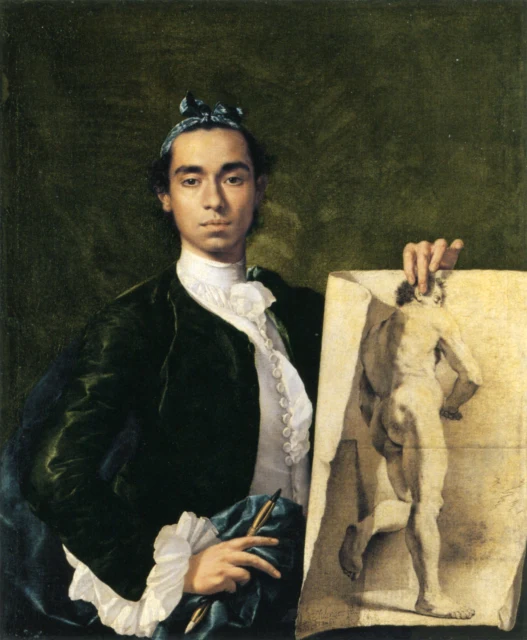 Self-Portrait Holding an Academic StudyLuis Egidio Meléndez, 1746
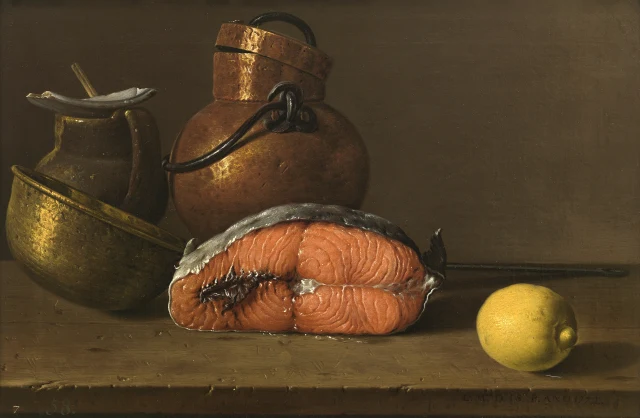 Still Life with a Piece of Salmon, a Lemon and Three VesselsLuis Egidio Meléndez, 1772
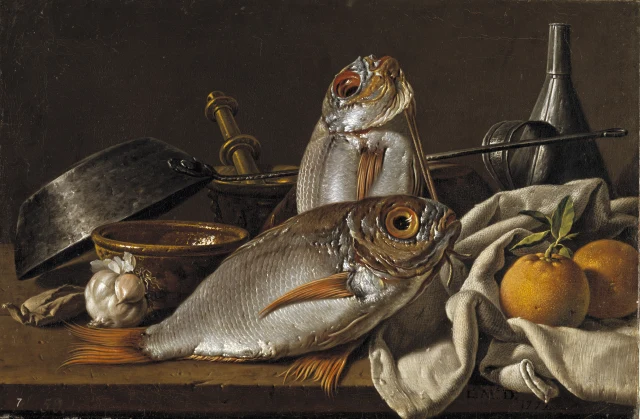 Still Life with Breams, Oranges, Garlic, Condiments and Kitchen UtensilsLuis Egidio Meléndez, 1772
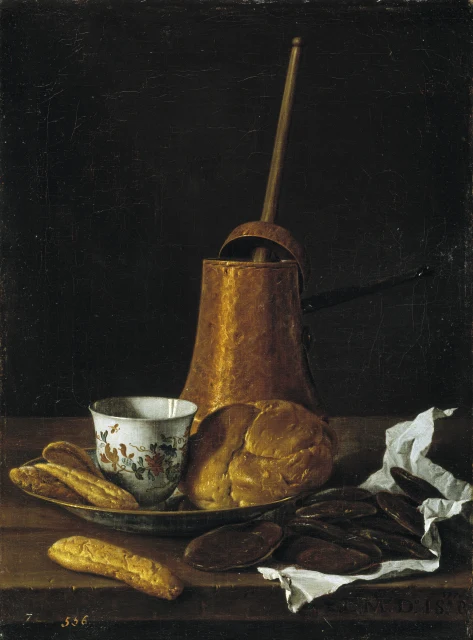 Still Life with Chocolate ServiceLuis Egidio Meléndez, 1770
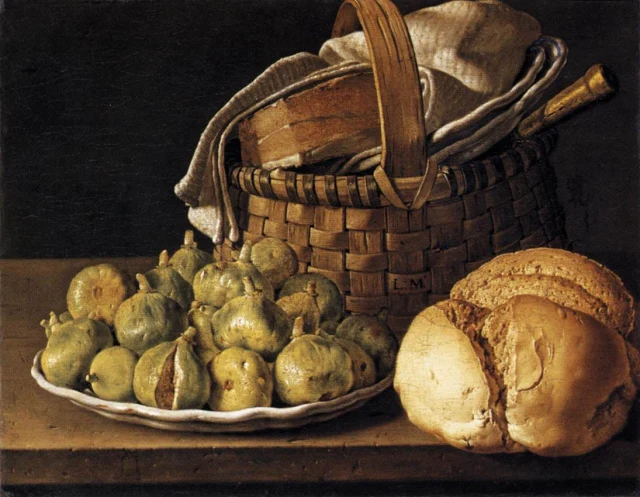 Still Life with FigsLuis Egidio Meléndez, 1760
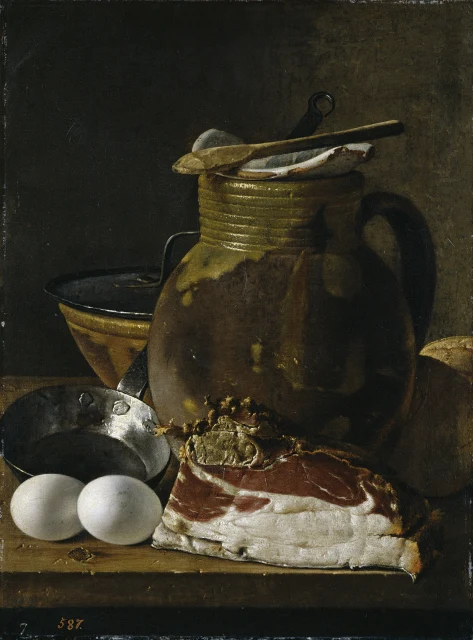 Still Life with Ham, Eggs and VesselsLuis Egidio Meléndez
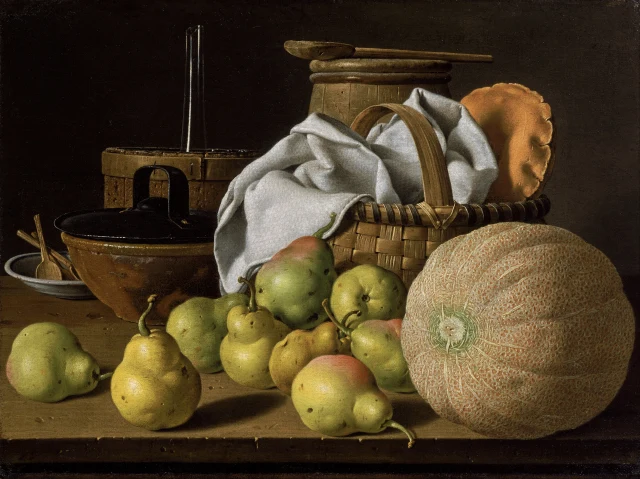 Still Life with Melon and PearsLuis Egidio Meléndez, 1772
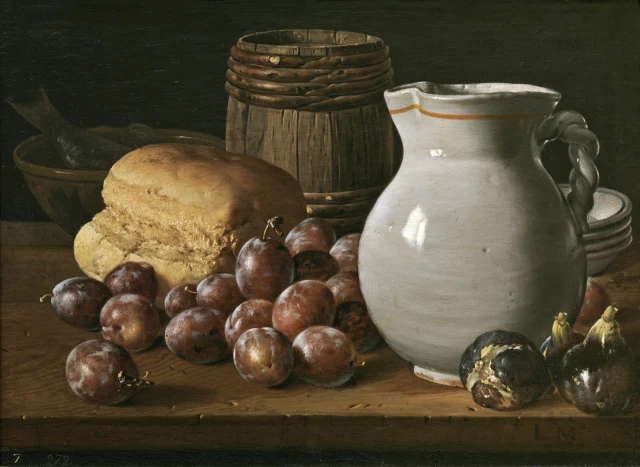 Still Life with Plums, Figs, Bread, a Barrel, a Jug and Other VesselsLuis Egidio Meléndez
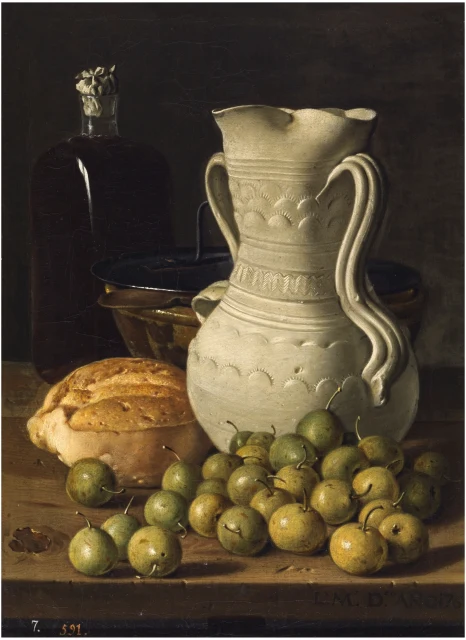 Still Life with Small Pears, Bread, an Unglazed Jug, Bowl and BottleLuis Egidio Meléndez, 1760
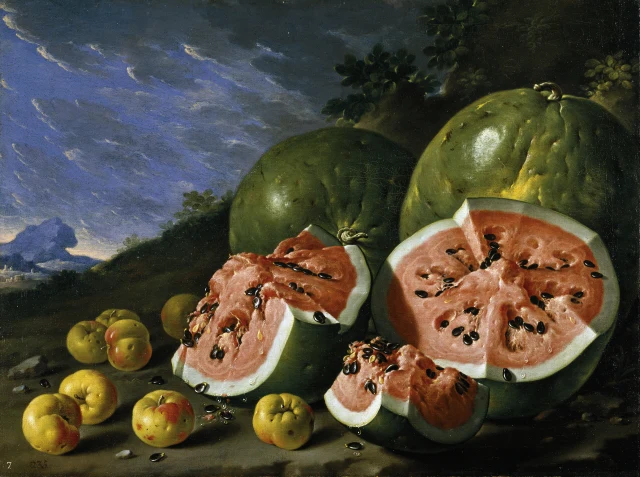 Still Life with Watermelons and Apples in a LandscapeLuis Egidio Meléndez, 1771