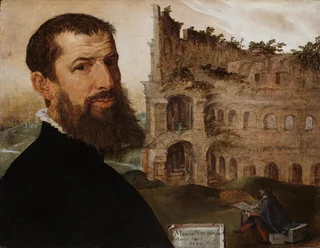
Maarten van Heemskerck
1498–1574 · Habsburg Netherlands · Mannerism
The story
When the Dutch painter Maarten van Heemskerck reached Rome in 1532, he did something that turned out to matter more than most of his paintings. For about five years he walked the city with a sketchbook and drew its ancient ruins, filling album after album: the Colosseum, the half-buried Forum, broken temples, imperial baths, antique statues in the gardens of collectors.
He was among the first artists to draw the Forum systematically, when it was still hard to reach and largely buried in earth. The result, more than 200 surviving sheets now kept in Berlin, is the fullest record any single artist of the 16th century made of Rome's antiquities, and historians still use his drawings to see what stood there before later rebuilding swept much of it away.
Heemskerck came from a village near Haarlem in the Netherlands and worked in the elaborate, muscular style known as Mannerism, painting altarpieces and mythological scenes back home for the rest of his life. What he brought back from Rome kept surfacing in that work, in its Roman columns and heroic anatomy. One of his drawings even records the building site of the new Saint Peter's, its old and new walls standing side by side.
Works
8 works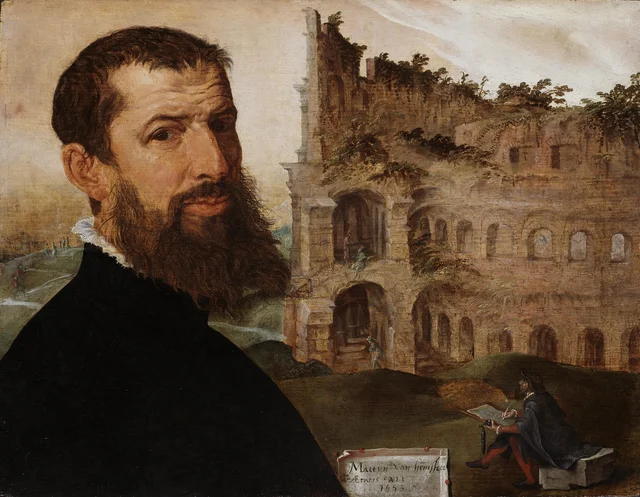 Self-portrait with the ColosseumMaarten van Heemskerck, 1553
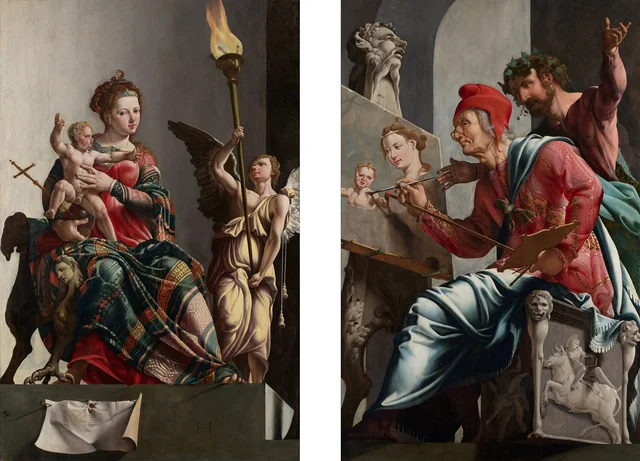 St. Luke painting the VirginMaarten van Heemskerck, 1532
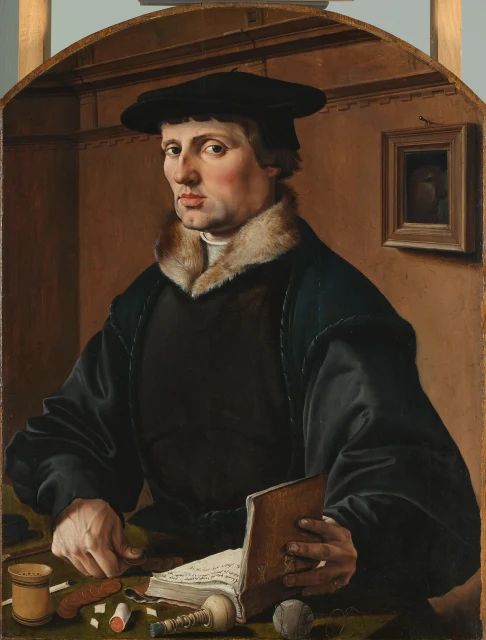 Portrait of a ManMaarten van Heemskerck, 1529
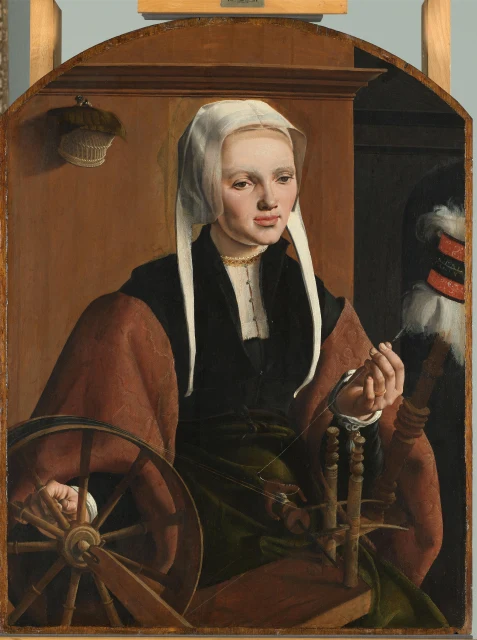 Portrait of a WomanMaarten van Heemskerck, 1529
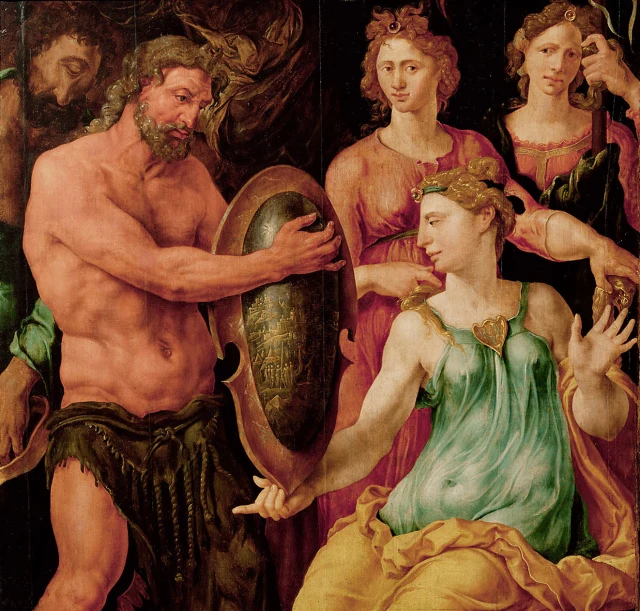 Thetis Receiving from Vulcan the Shield for AchillesMaarten van Heemskerck, 1540
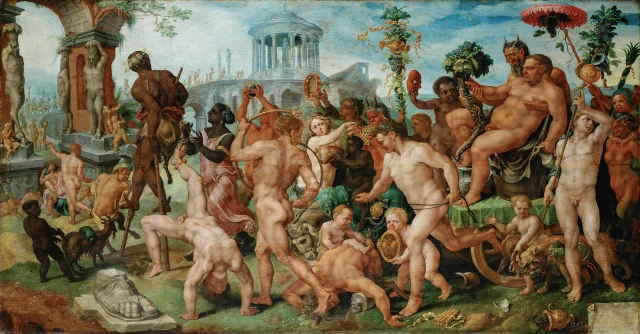 The Triumphal Procession of BacchusMaarten van Heemskerck, 1536
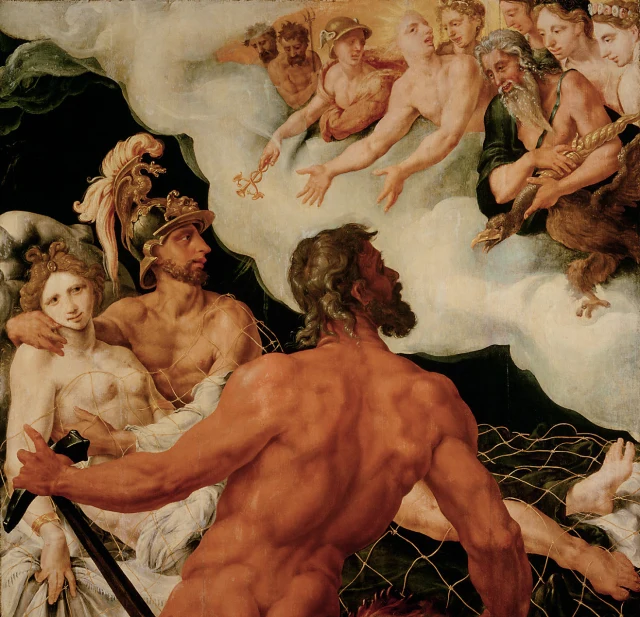 Vulcan, Venus and MarsMaarten van Heemskerck, 1540