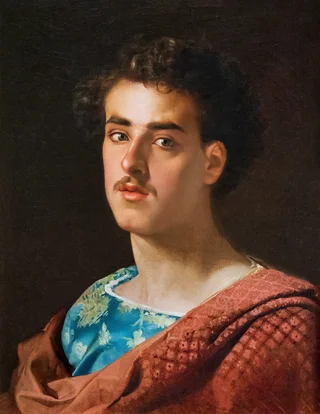
Mariano Fortuny Marsal
1838–1874 · Spain · Romantic painting
The story
In 1859 the authorities in Barcelona sent a young painter to North Africa to record a war. Spain was fighting the Sultan of Morocco, and Mariano Fortuny, an orphan from Reus in Catalonia who had won a scholarship to study in Rome, went along to document the campaign. He came back changed less by the fighting than by the light and colour of Morocco, which he would paint for the rest of his short life.
Fortuny worked mainly in Rome, with spells in Paris and two years in Granada. His pictures were small, brilliantly detailed scenes of markets, interiors and costumed figures, and the Paris dealer Adolphe Goupil sold them for sums that made him one of the best-paid painters in Europe. He kept returning to one huge canvas, The Battle of Tetuan, about 15 metres long, and never finished it. In 1867 he married Cecilia de Madrazo, daughter of the director of the Prado in Madrid.
He was still riding that success when he caught malaria while painting outdoors near Naples in the summer of 1874. He died in Rome that November, aged 36. His son, also named Mariano, grew up to become the celebrated fashion and textile designer of Belle Époque Venice.
Works
8 works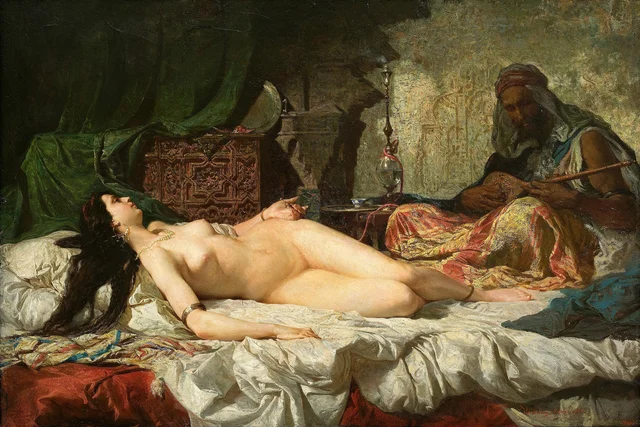 The OdalisqueMariano Fortuny Marsal, 1861
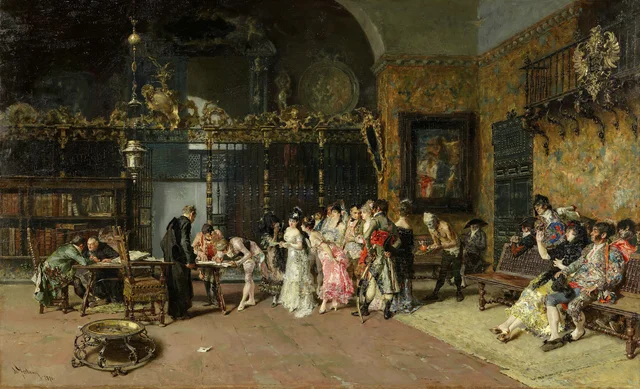 The Spanish WeddingMariano Fortuny Marsal, 1870
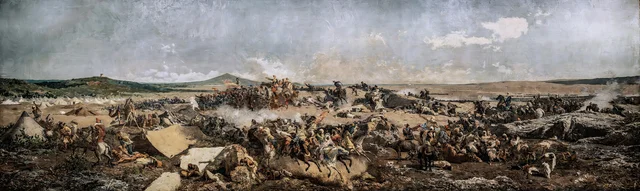 La Batalla de TetuanMariano Fortuny Marsal, 1862
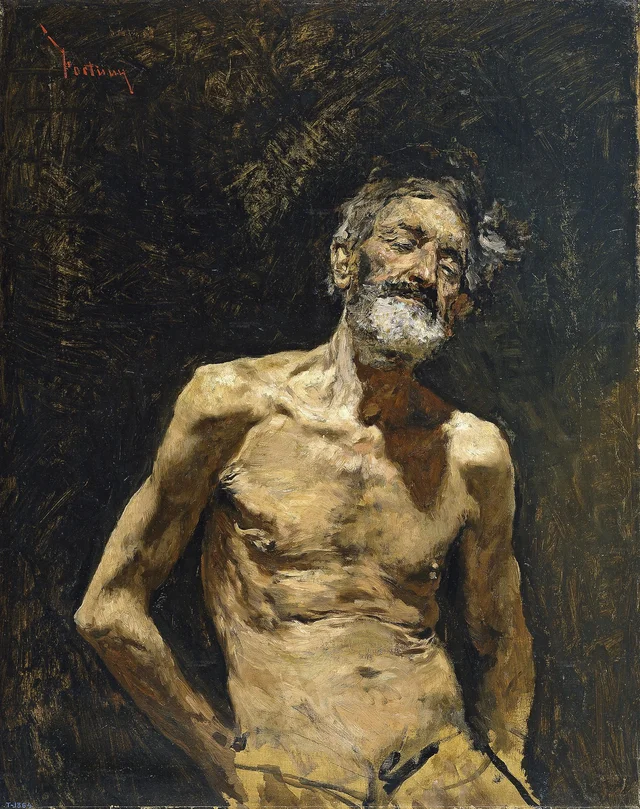 Nude Old Man in the SunMariano Fortuny Marsal, 1871
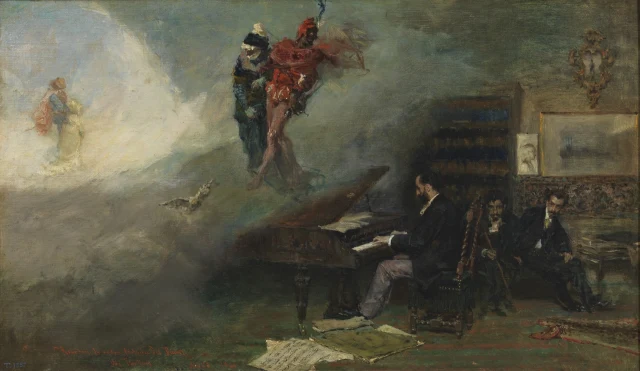 Fantasy on FaustMariano Fortuny Marsal, 1866
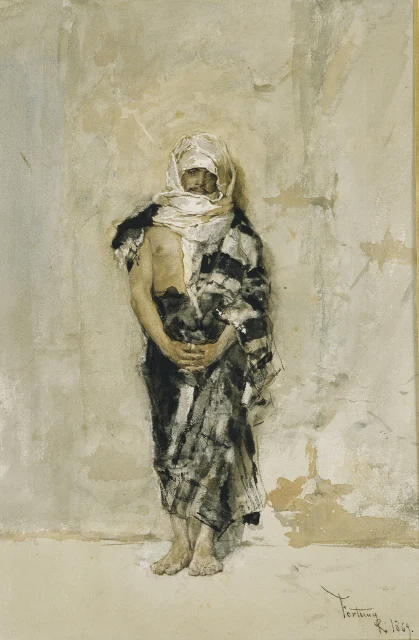 Moroccan ManMariano Fortuny Marsal, 1869
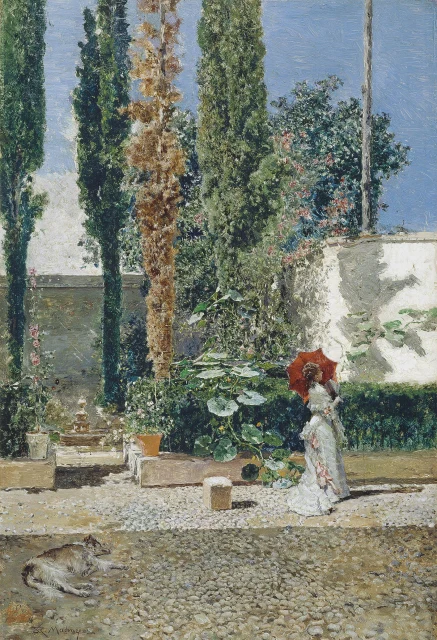 The Garden of the Fortuny ResidenceMariano Fortuny Marsal
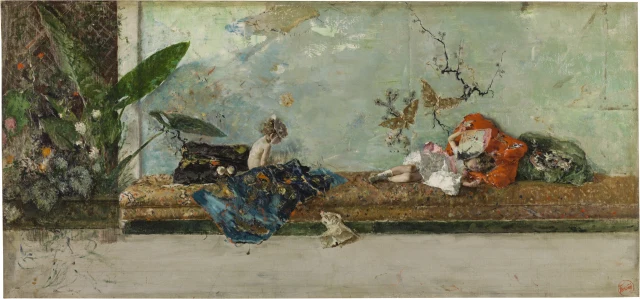 The Painter's Children in the Japanese RoomMariano Fortuny Marsal, 1874