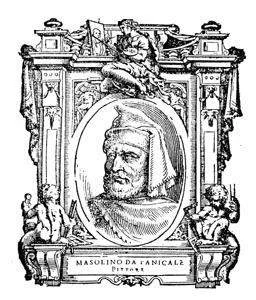
Masolino da Panicale
1383 · Republic of Florence · Italian Renaissance
The story
Around 1425 two painters were at work in the same small chapel in Florence, the Brancacci Chapel, and the contrast between them turned out to be one of the hinges of Western painting. The older of the two was Masolino da Panicale, then in his forties, a graceful painter trained in the elegant, decorative Late Gothic style.
Beside him worked a man barely out of his teens, Masaccio, who was painting figures that stood in real space with real weight, lit as if by a single window. Next to that new solidity, Masolino's lovely, floating saints suddenly looked like the past.
The two shared the commission and even some of the same scenes, and art historians still walk visitors along the walls to point out where the gentle hand stops and the revolutionary one begins. Masaccio died young a few years later. Masolino kept working for several more years, painting frescoes elsewhere in Italy in a manner that never fully absorbed the lesson of the younger man he had worked beside.
Works
6 works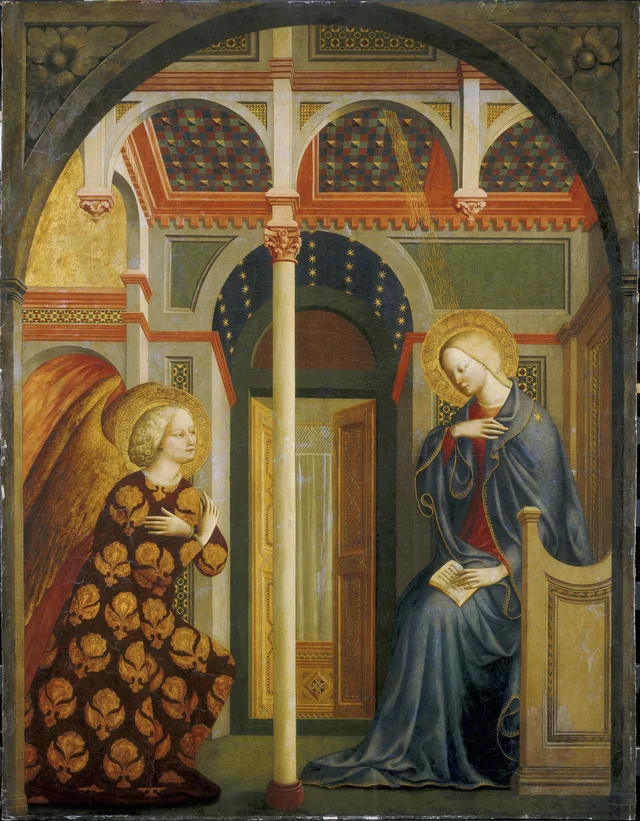 The AnnunciationMasolino da Panicale, 1423
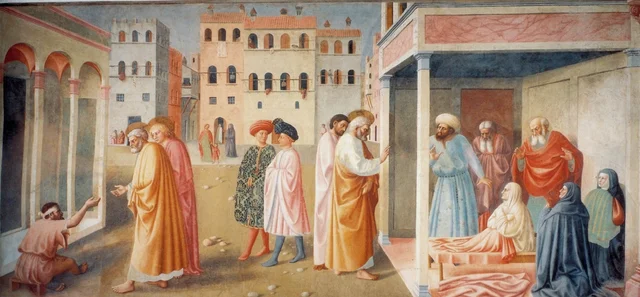 Healing of the Cripple and Raising of TabithaMasolino da Panicale, 1424
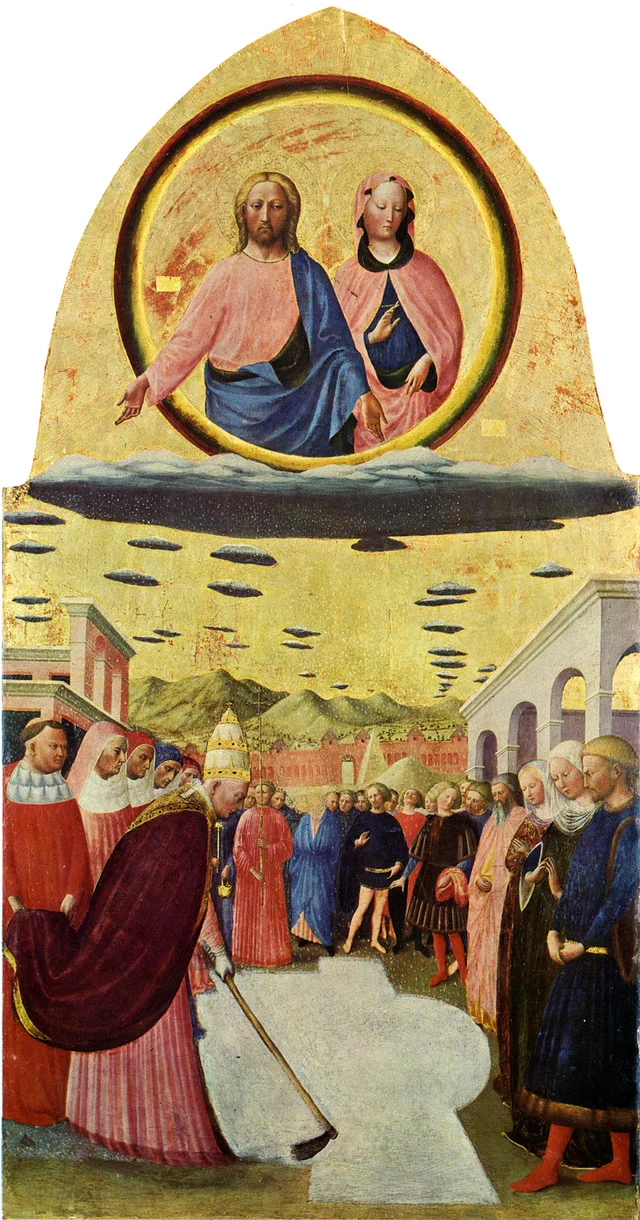 The Foundation of Santa Maria MaggioreMasolino da Panicale, 1423
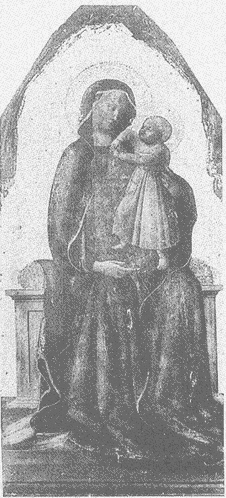 Saint Julian (Carnesecchi Triptych)Masolino da Panicale, 1423
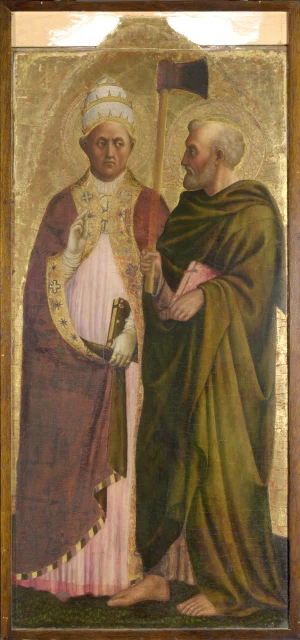 A Pope (Saint Gregory?) and Saint MatthiasMasolino da Panicale, 1428
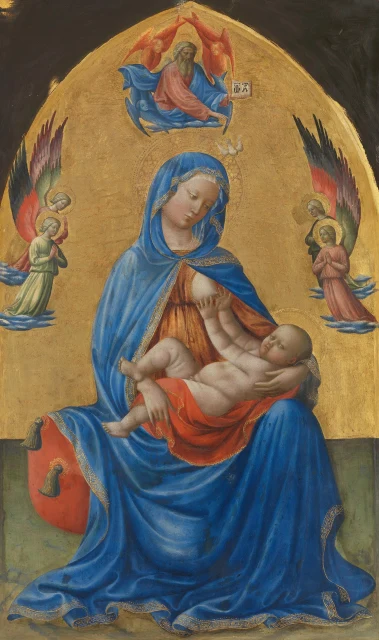 Virgin and ChildMasolino da Panicale, 1435