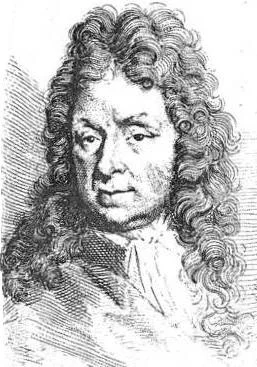
Melchior d'Hondecoeter
1636–1695 · Dutch Republic · Baroque, Dutch Golden Age
The story
Most Dutch Golden Age painters chased people, still lifes, or flat horizons. Melchior d'Hondecoeter painted birds, almost nothing else, and he painted them as if they had tempers. A cockerel struts and threatens, ducks scatter, a hawk drops into a crowded poultry yard and turns it to panic.
He came from a family of painters in Utrecht and learned the craft from his father and his uncle. Then he settled in Amsterdam and made the living bird his whole subject. He mixed the farmyard fowl he could see with exotic arrivals off the trading ships, painting African crowned cranes, cockatoos from the Indies, and lovebirds from Madagascar with real accuracy, because Dutch merchants and princes actually kept such menageries. William III of Orange, later king of England, was among his patrons.
One of his best-known canvases shows a pelican and other waterfowl around a pool, with a single soft feather drifting on the surface. The Dutch nicknamed it The Floating Feather. It hangs today in the Rijksmuseum in Amsterdam, in the hall built for the paintings William and Mary once owned.
Works
7 works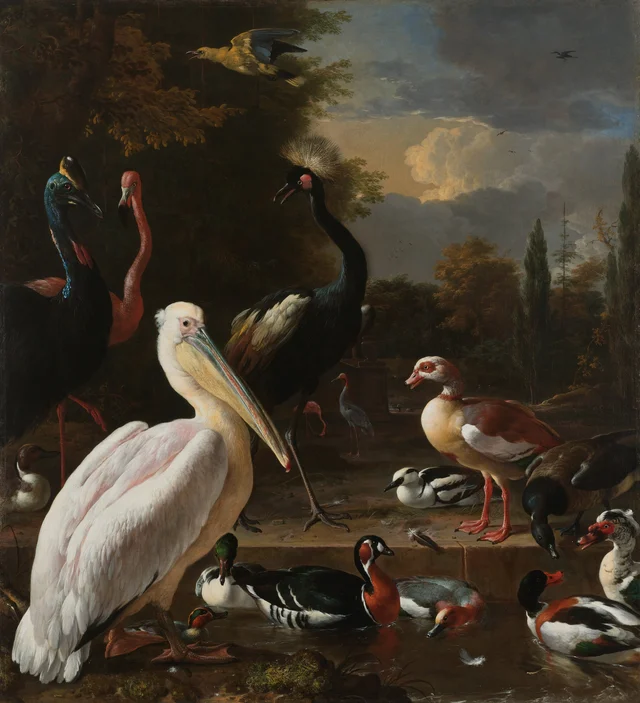 The Floating FeatherMelchior d'Hondecoeter, 1680
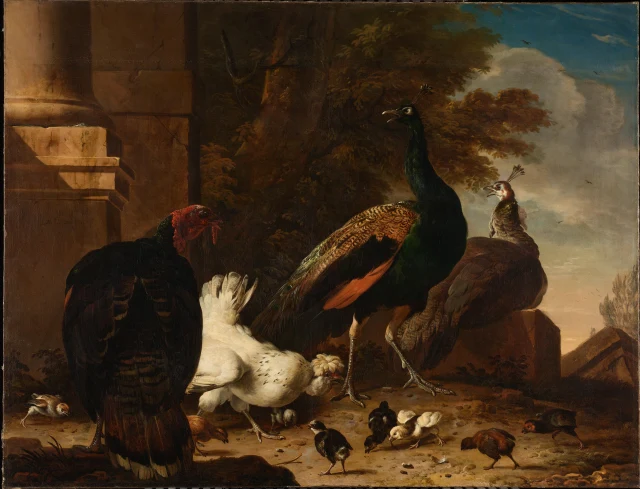 A Hen with Peacocks and a TurkeyMelchior d'Hondecoeter, 1680
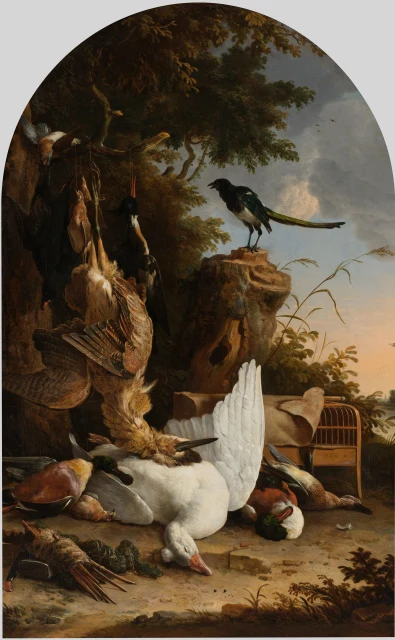 A Hunter's Bag near a Tree Stump with a Magpie, Known as 'The Contemplative Magpie'Melchior d'Hondecoeter, 1678
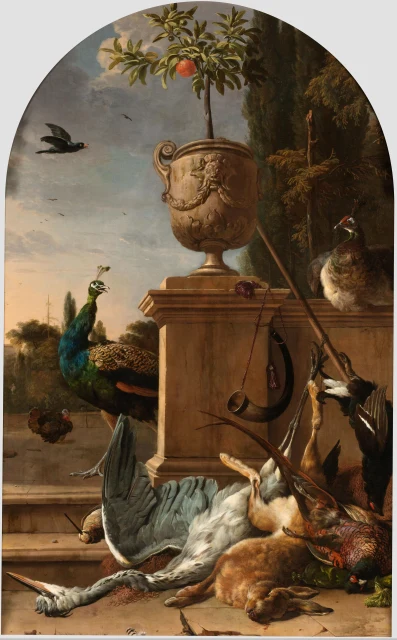 A Hunter's Bag on a TerraceMelchior d'Hondecoeter, 1678
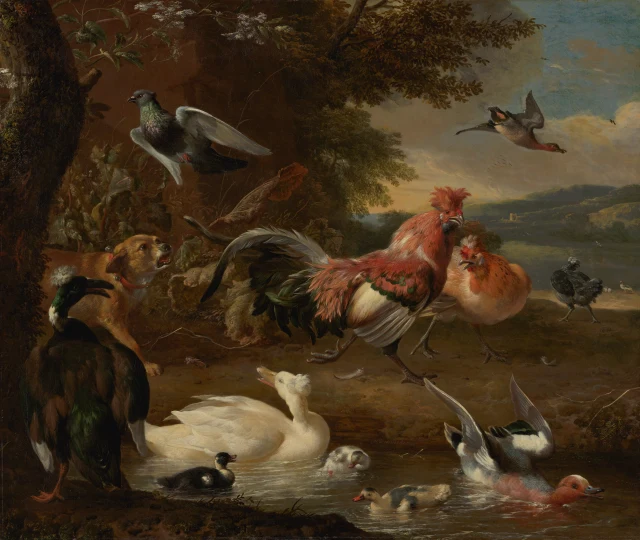 Chickens and DucksMelchior d'Hondecoeter, 1680
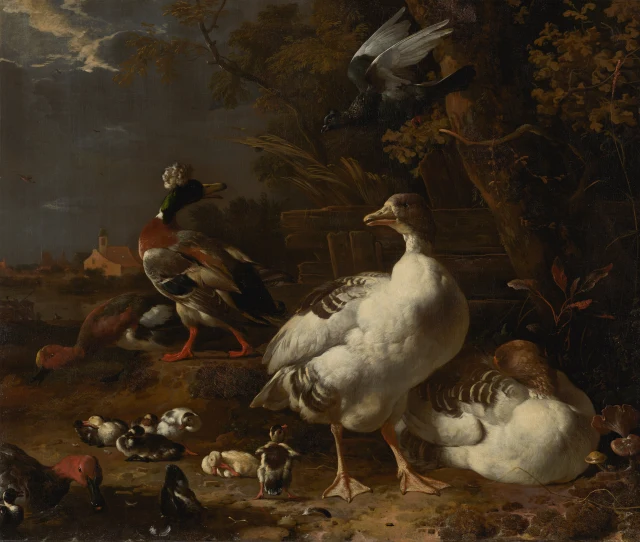 Geese and DucksMelchior d'Hondecoeter, 1680
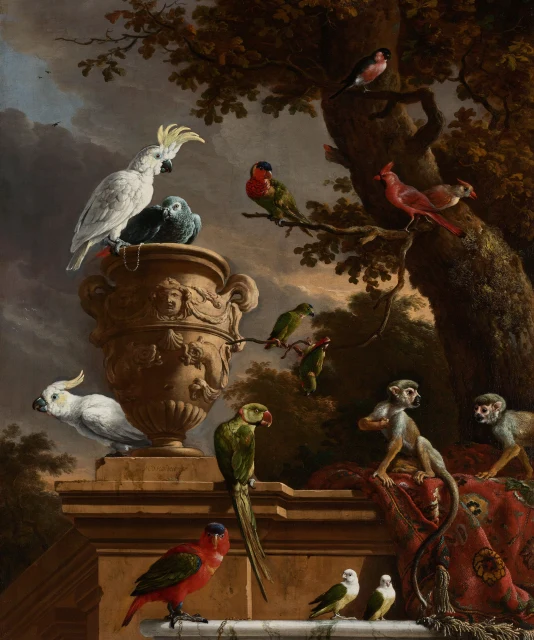 The MenagerieMelchior d'Hondecoeter, 1690