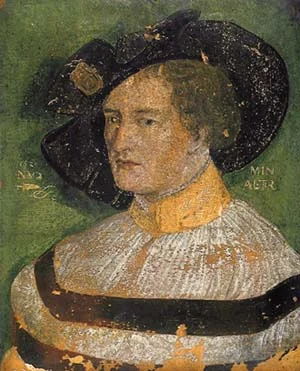
Niklaus Manuel
1484–1530 · Switzerland · Renaissance, Northern Renaissance
The story
Niklaus Manuel of Bern packed several careers into about 46 years. He was a painter good enough to rank, after Holbein, as the leading representative of Renaissance art in Switzerland. He was also a mercenary who marched with Bernese troops into the Habsburg wars in northern Italy, a member of the city council, and at the last a Reformation politician who all but gave up painting.
His largest work is gone. Between about 1516 and 1520 he covered a long wall of the Franciscan friary in Bern with a Dance of Death, a procession in which skeletons lead away people of every rank, from pope to peasant, and he wrote the verses that ran beneath it himself. The wall was pulled down in the 17th century, and the mural is known today mainly from copies.
Then the Reformation swept through Bern, and Manuel threw himself into it. He turned out sharp, funny, anticlerical plays that mocked the old church, served as bailiff at Erlach, and helped steer the city toward the new faith. He died in 1530, at about 46. His painted wings for the St Anne altar in Bern's Dominican church still survive, unlike the great Dance of Death that had made his name.
Works
6 works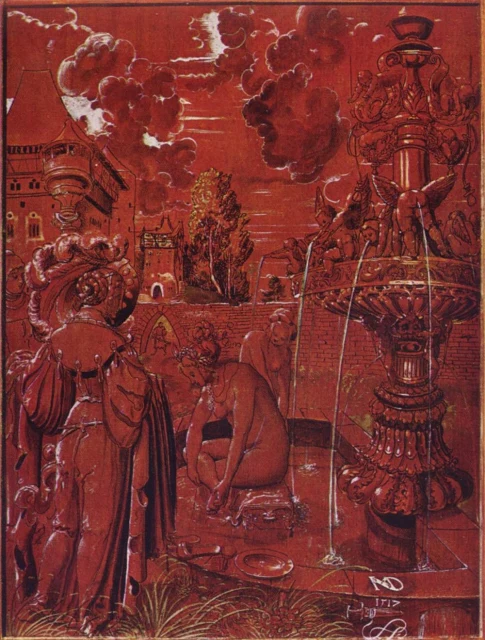 Bathsheba Bathing / Death as a Mercenary Embracing a Young WomanNiklaus Manuel, 1517
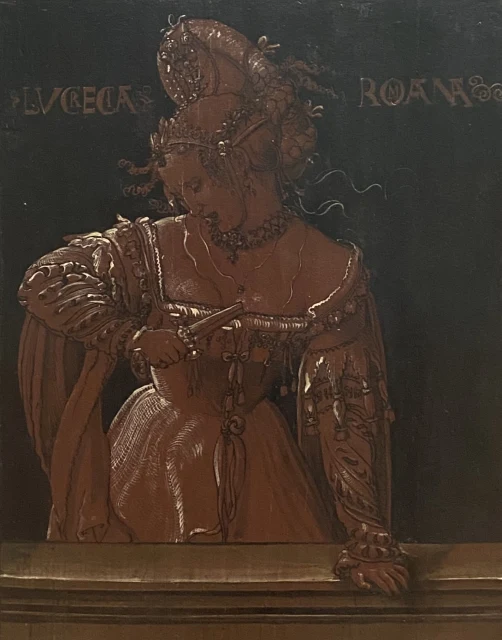 LucretiaNiklaus Manuel, 1517
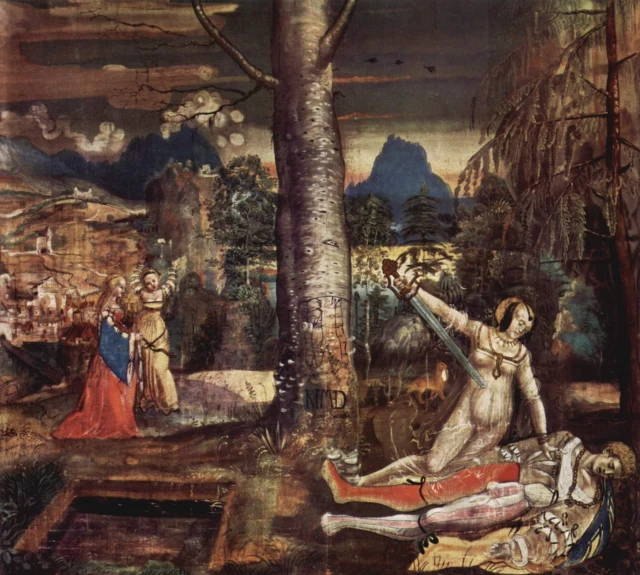 Pyramus and ThisbeNiklaus Manuel, 1520
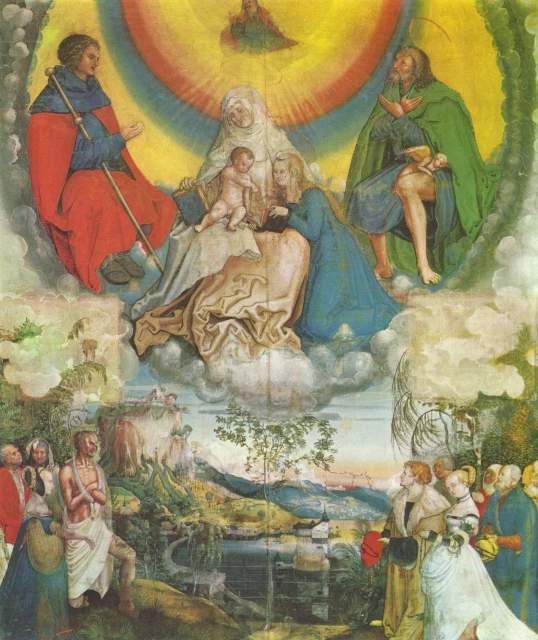 Saint Anne with the Virgin and Child, Saint James the Great and Saint Roch as Intercessors for Mankind Ridden by the PlagueNiklaus Manuel, 1515
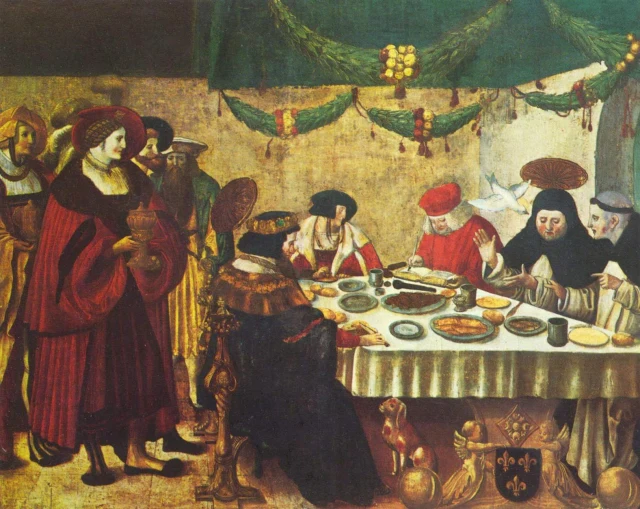 Saint Thomas Aquinas at the Table of King Louis the SaintNiklaus Manuel, 1517
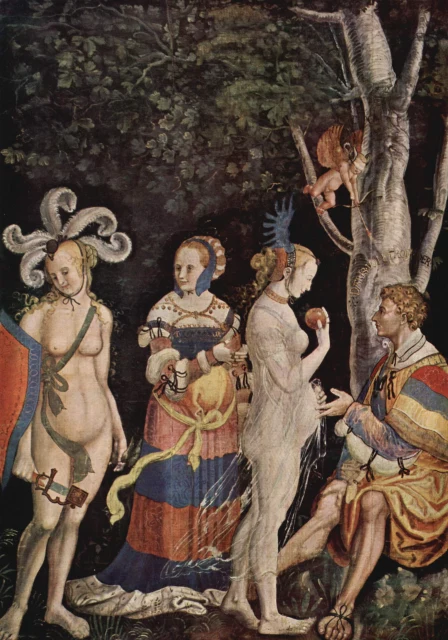 The Judgement of ParisNiklaus Manuel, 1517