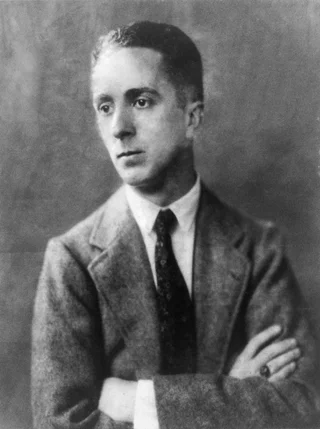
Norman Rockwell
1894–1978 · United States · American realism
The story
For nearly 50 years Norman Rockwell painted covers for The Saturday Evening Post, an American weekly, and became the most familiar illustrator in the country. His scenes of small-town life, Thanksgiving dinners and doctors and boy scouts and first dates, were warm, funny, and carefully observed, and they shaped how mid-century America liked to picture itself.
In 1963 he left the Post, partly because it discouraged him from painting anything controversial, and went to Look magazine, which let him take on the news. The result was the most serious work of his life. In 1964 he painted The Problem We All Live With, showing Ruby Bridges, a six-year-old Black girl, walking to a newly desegregated school in New Orleans, flanked by four federal marshals whose heads are cut off by the frame, past a wall stained with a thrown tomato and a racial slur.
Rockwell was in his seventies by then, and the picture surprised people who thought of him only as a maker of cosy images. During the Second World War he had painted the Four Freedoms, four canvases illustrating a speech by President Roosevelt that were sent on tour to sell war bonds. The original of The Problem We All Live With hung in a hallway outside the Oval Office for a time in 2011, while Ruby Bridges, by then a grown woman, visited President Obama.