Otto van Veen
1556–1629 · Habsburg Netherlands · Mannerism, Renaissance, Flemish art
The story
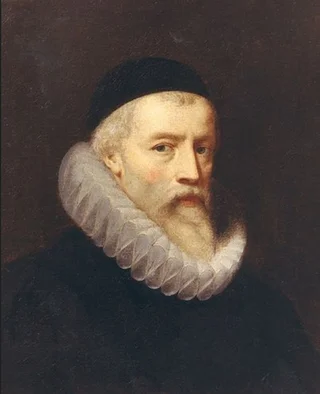
Otto van Veen is remembered above all for a pupil. Between about 1594 and 1598, in his large Antwerp workshop, he trained a gifted young man named Peter Paul Rubens, and the model van Veen set, of a painter who was also a serious scholar, was something Rubens kept for the rest of his life.
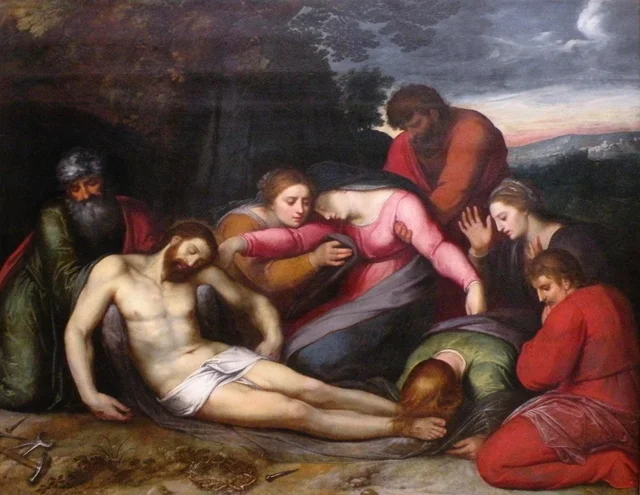
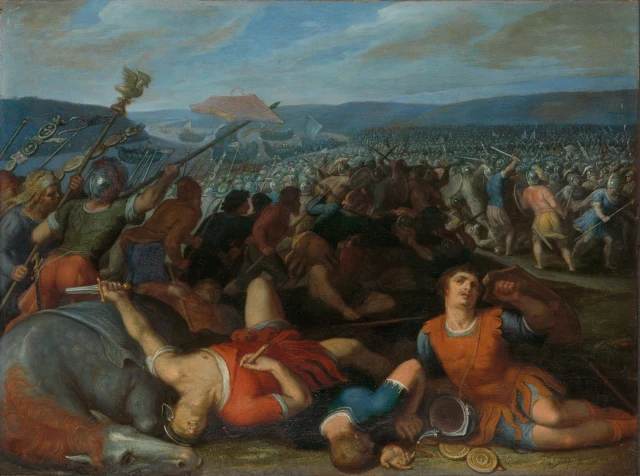
Van Veen was a pictor doctus, a learned painter. He read Latin, moved easily among humanists, and had spent years in Italy studying the old masters before settling in Antwerp. He worked for the Archdukes Albert and Isabella, the Habsburg rulers of the southern Netherlands, and turned out religious and mythological scenes, allegories and portraits.
His most lasting fame, though, came from books rather than altarpieces. He devised emblem books, collections of allegorical pictures paired with short moral texts that were hugely popular at the time, and his Amorum Emblemata and Emblemata Horatiana were read across Europe. He kept working into the 1620s and died in Brussels in 1629, by then a wealthy man who had also held a post at the mint.