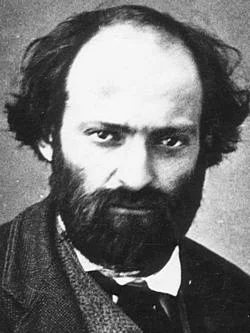
Paul Cézanne
1839–1906 · France · Post-impressionism
The story
For most of his life Paul Cezanne was the painter nobody wanted. He showed with the Impressionists in the 1870s, was mocked harder than any of them, then quietly withdrew to his home town of Aix-en-Provence in the south of France and more or less stopped exhibiting. He had one advantage the others lacked: his father was a wealthy banker, and an inheritance meant Cezanne could paint for decades exactly as he pleased, ignored, with no need to sell.
What he chased was the solid structure under the surface, the way a mountain or an apple actually holds together in space, rather than the Impressionists' fleeting light. From the 1880s he painted Mont Sainte-Victoire, the pale limestone ridge above Aix, over and over, around 80 times in oil and watercolour, each version flatter and more built from blocks of colour than the last. The younger painters who found him late, Picasso and Matisse among them, took those blocks and pulled them apart into Cubism, the fractured geometry of the next generation. Picasso called him "the father of us all."
His oldest friend was the novelist Emile Zola. They had grown up together in Aix, two boys who called their gang the Inseparables, and moved to Paris side by side. In 1886 Zola published a novel about a painter of great gifts who fails and kills himself. Cezanne read it, recognised a portrait of himself, sent Zola a short and formal note of thanks, and never spoke to him again. He worked on almost to the end outdoors; in October 1906 he was caught in a storm while painting, collapsed at the roadside, and died of pneumonia a few days later, at 67.
More articles
Works
263 works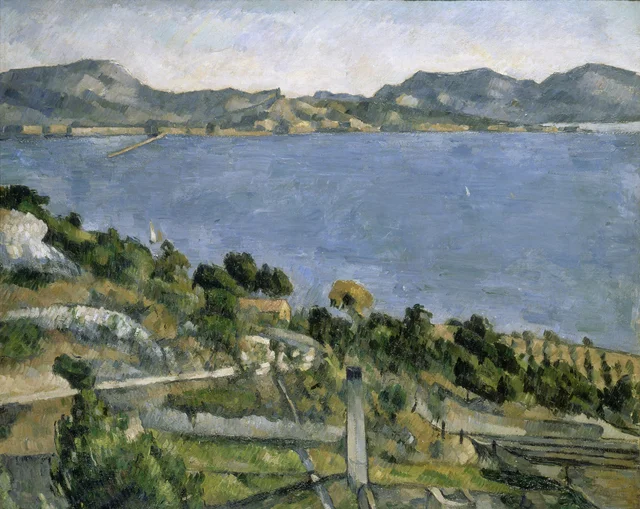 Le Golfe de Marseille vu de l'Estaque (The Gulf of Marseille Seen from L'Estaque)Paul Cézanne, 1885
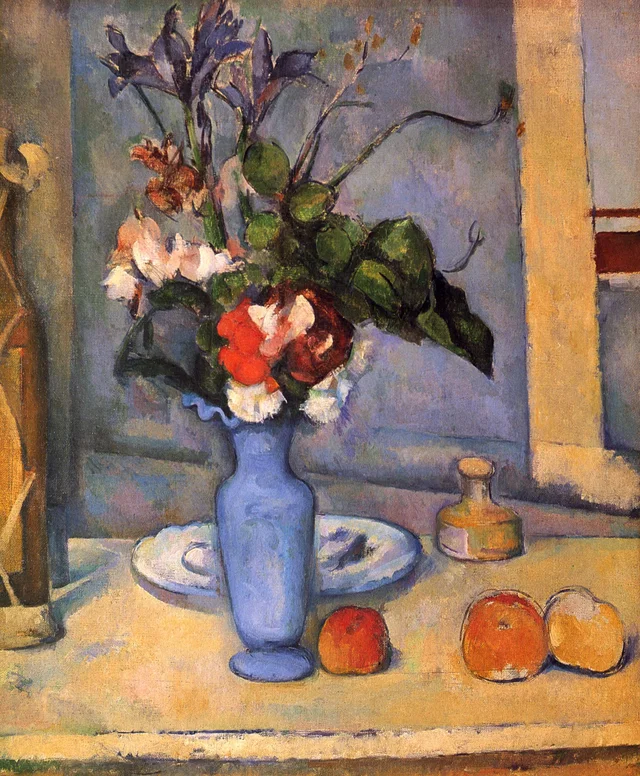 Le Vase bleuPaul Cézanne, 1890
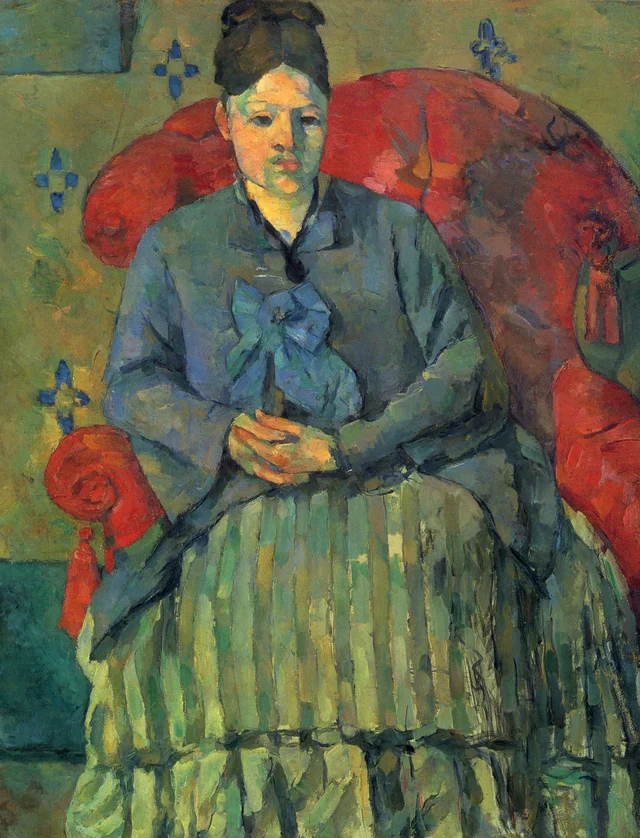 Madame Cézanne à la jupe rayée (Madame Cézanne in a Red Armchair)Paul Cézanne, 1877
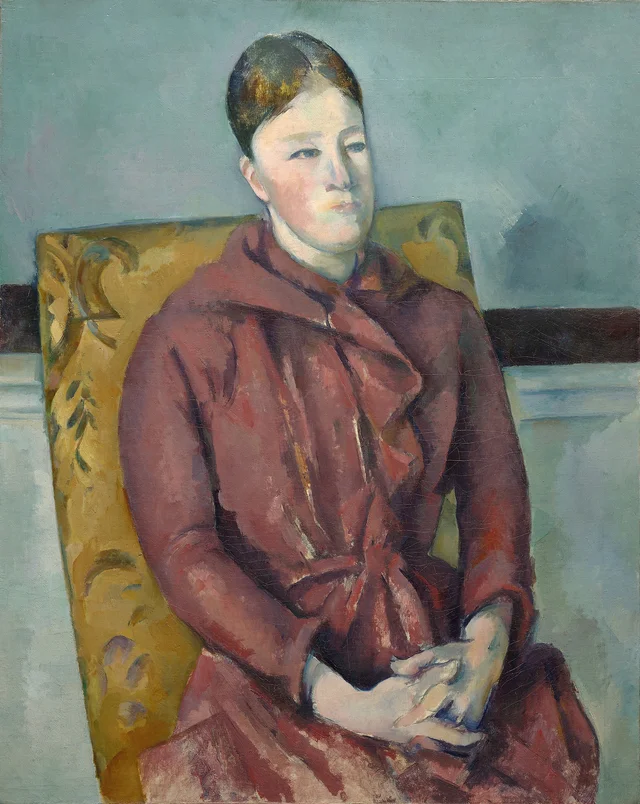 Madame Cézanne in a Yellow ChairPaul Cézanne, 1888
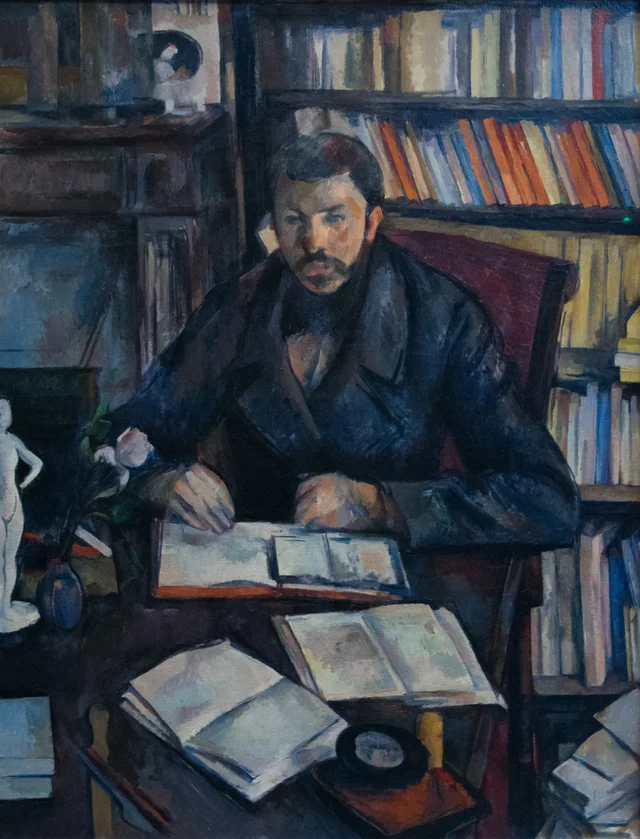 Portrait of Gustave GeffroyPaul Cézanne, 1895
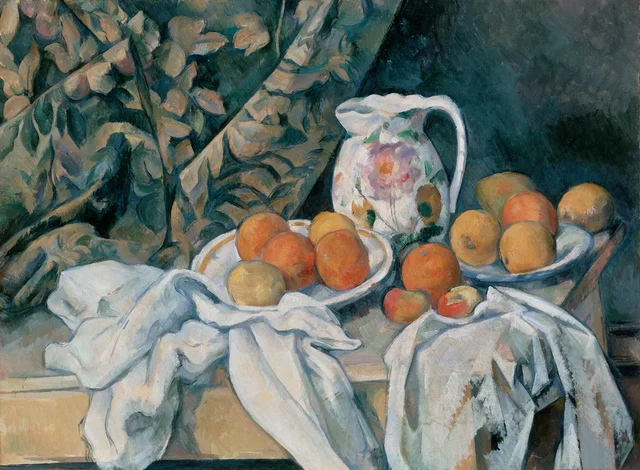 Still Life with a CurtainPaul Cézanne, 1898
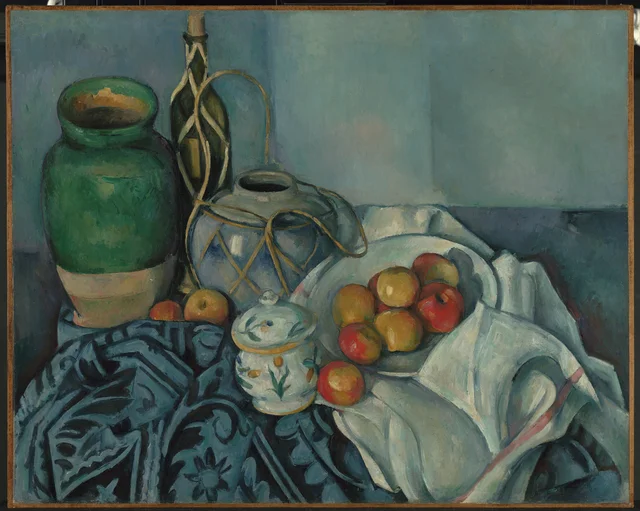 Still Life with ApplesPaul Cézanne, 1893
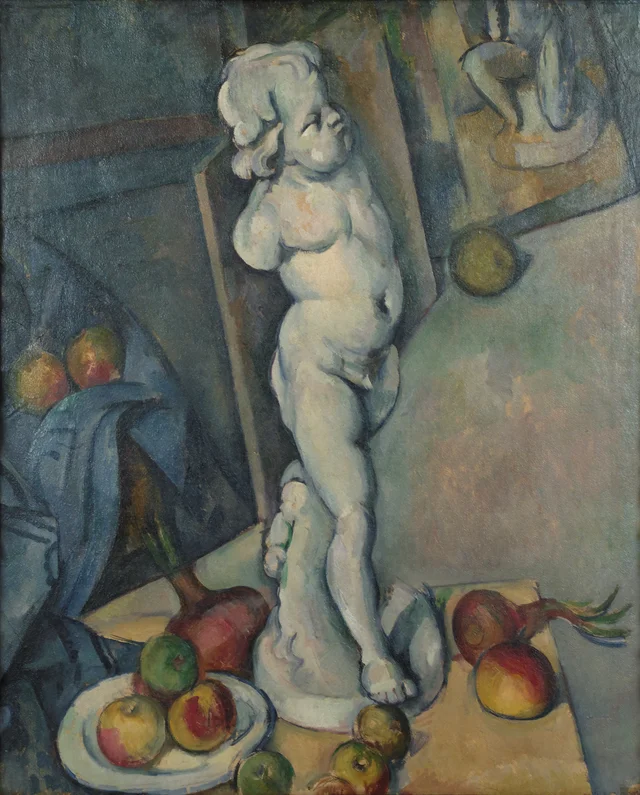 Still life with Cherub in plasterPaul Cézanne, 1895
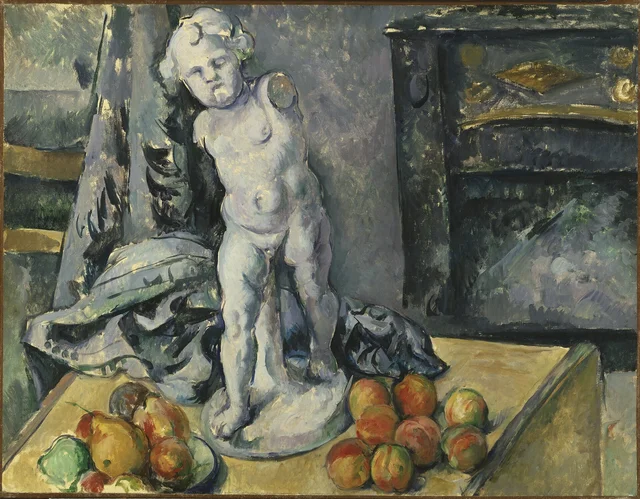 Still Life with StatuettePaul Cézanne, 1894
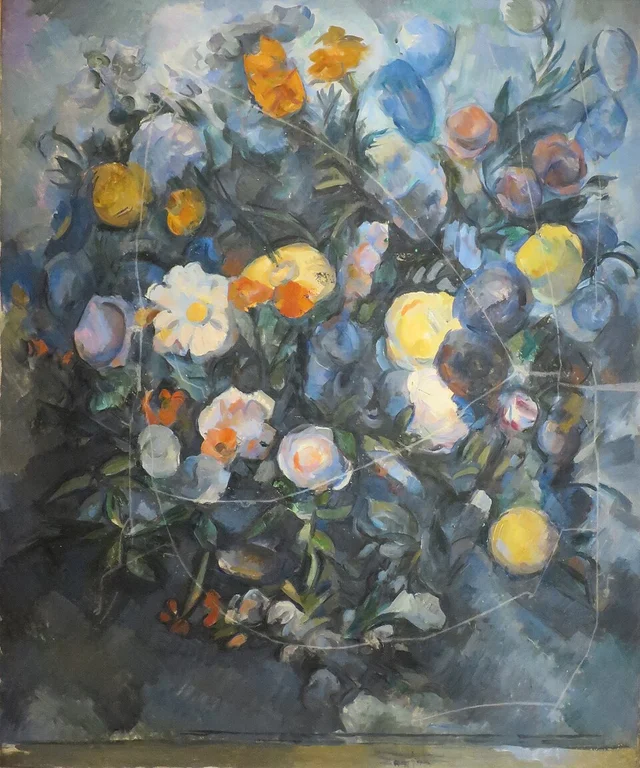 The Bunch of FlowersPaul Cézanne, 1902
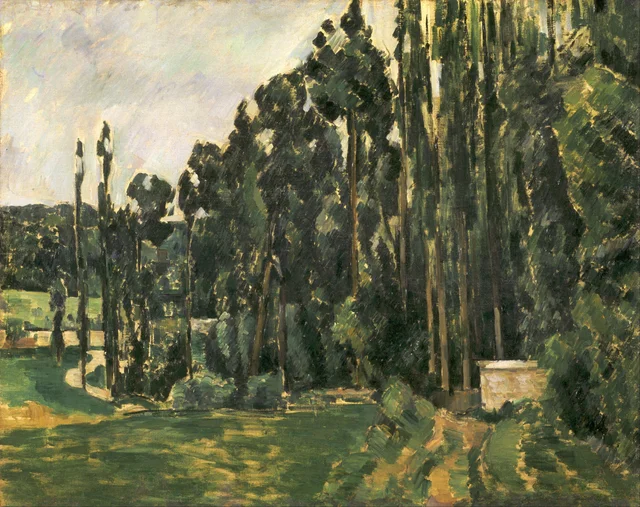 The PoplarsPaul Cézanne, 1879
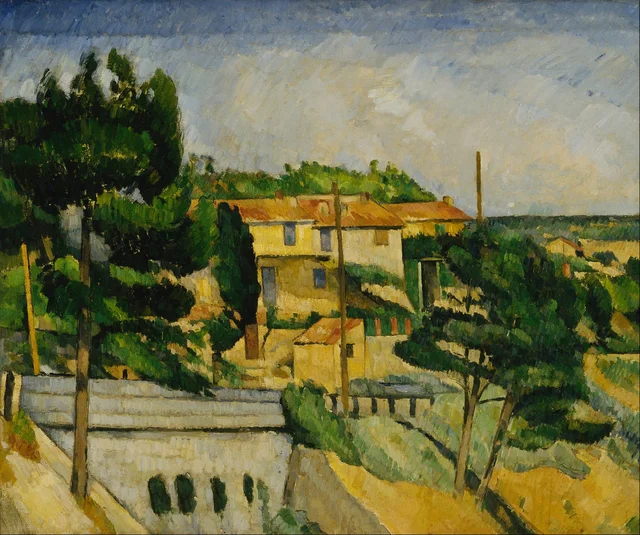 The Road Bridge at L'EstaquePaul Cézanne, 1882
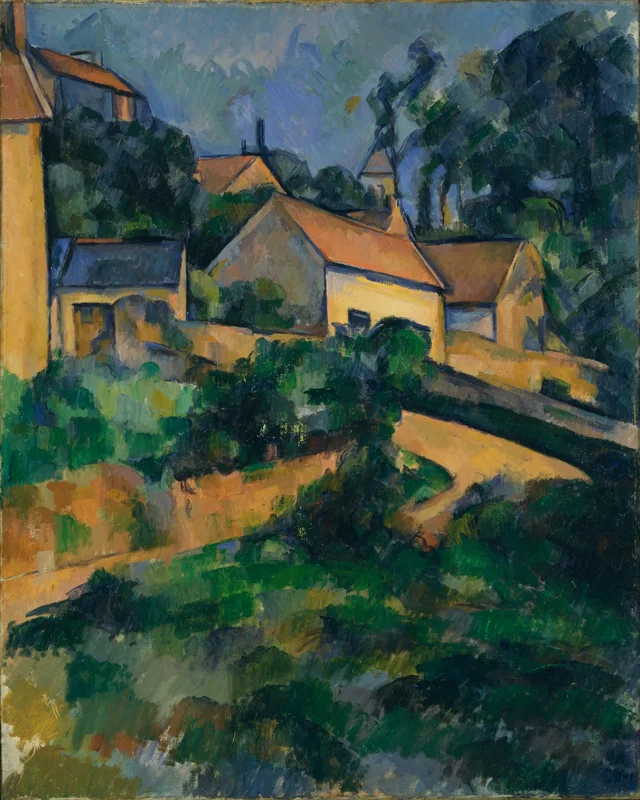 Turning Road at MontgeroultPaul Cézanne, 1898
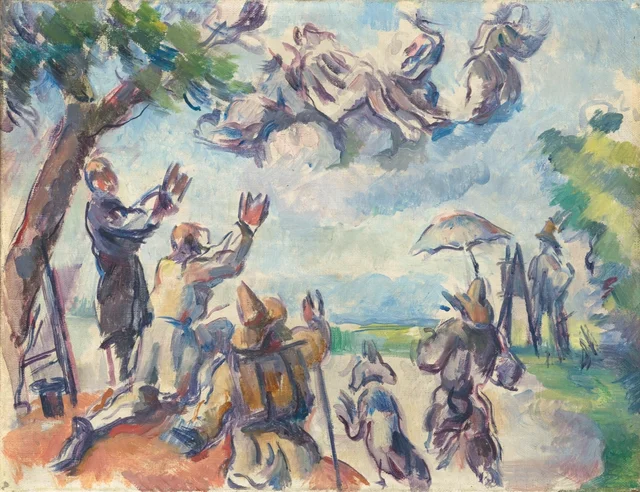 Apotheosis of DelacroixPaul Cézanne, 1890
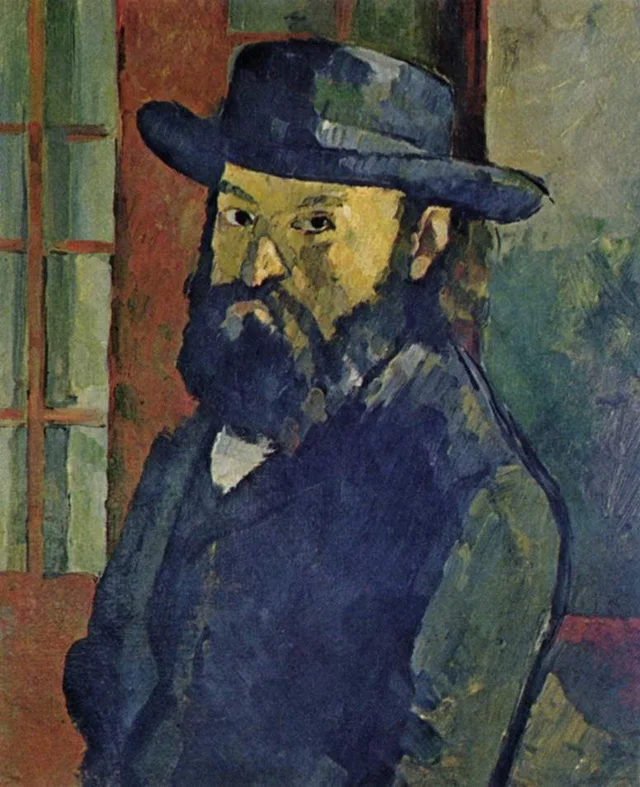 Artist's portrait with hatPaul Cézanne, 1879
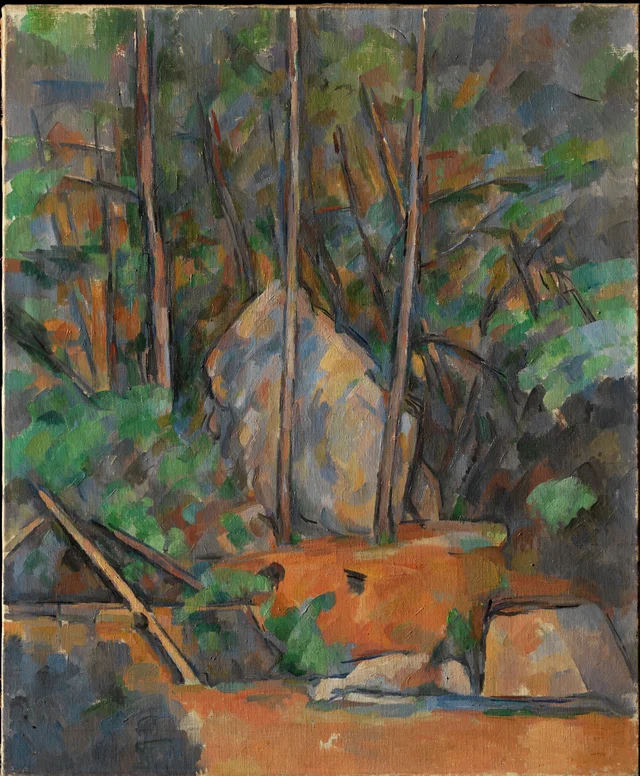 Cistern in the Park of Château NoirPaul Cézanne, 1900
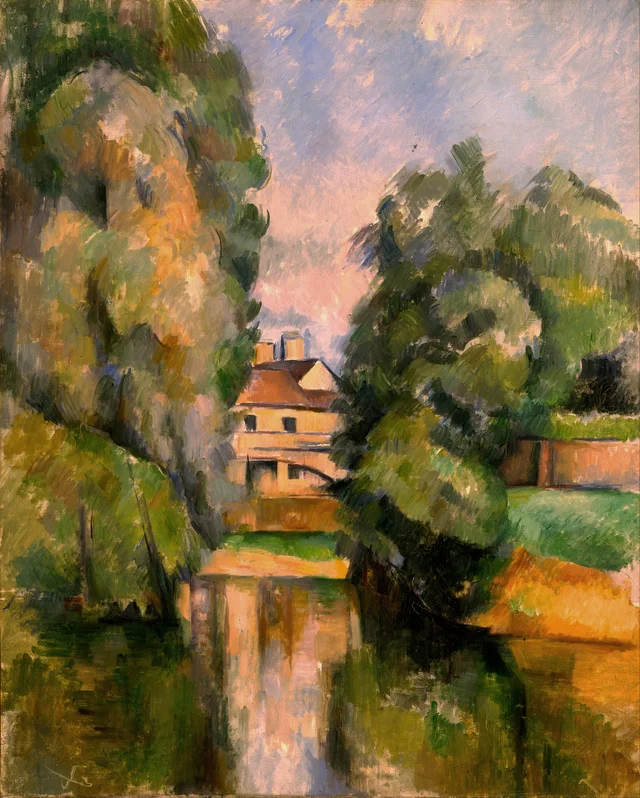 Country House by a RiverPaul Cézanne, 1890
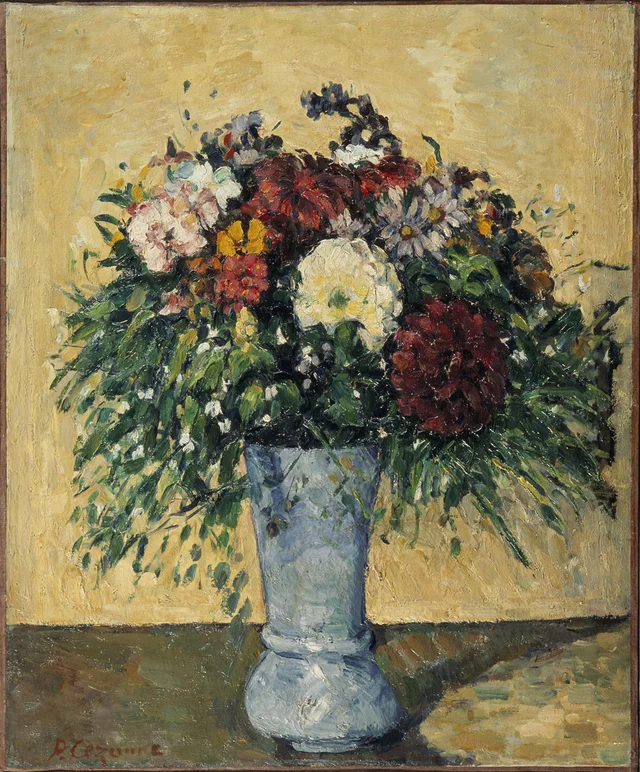 Flowers in a blue vasePaul Cézanne, 1874
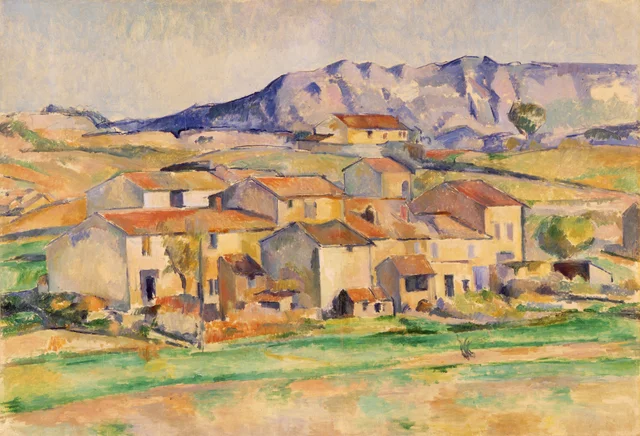 Hameau à Payennet près de Gardanne (Hamlet at Payennet, near Gardanne)Paul Cézanne, 1886
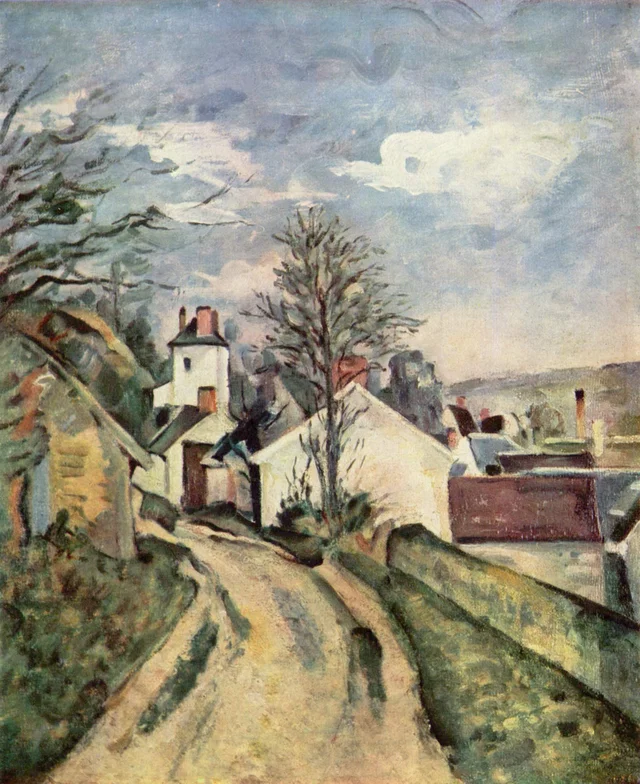 La Maison du docteur GachetPaul Cézanne, 1872
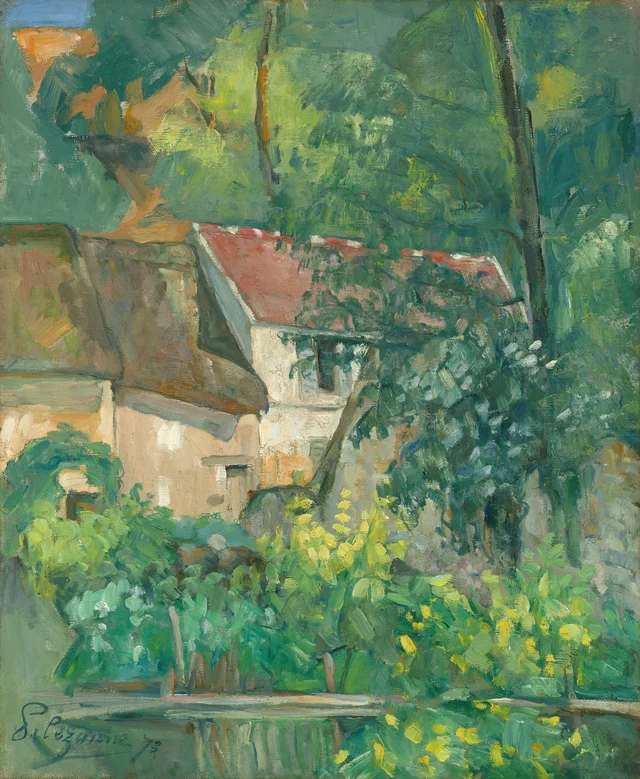 La Maison du père Lacroix, Auvers-sur-Oise (House of Père Lacroix)Paul Cézanne, 1873
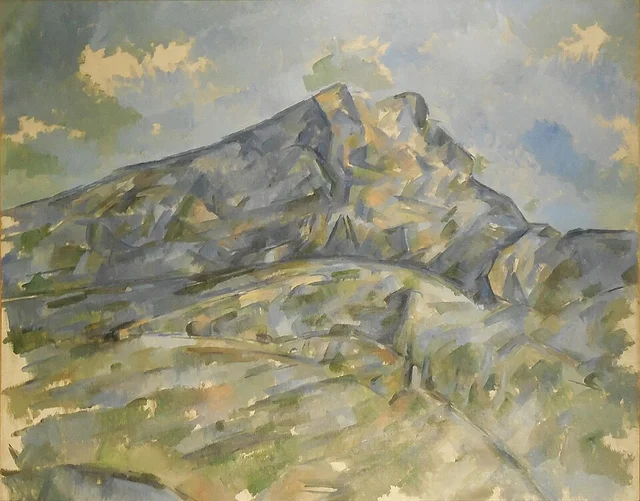 La Montagne Sainte-Victoire vue du bosquet du Château NoirPaul Cézanne, 1904
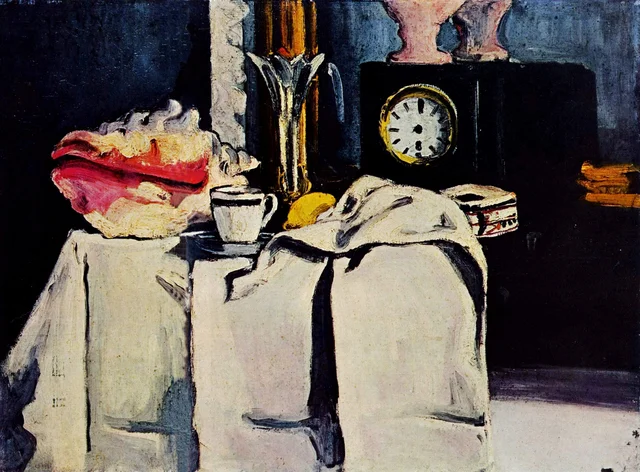 La Pendule noire (The Black Marble Clock)Paul Cézanne, 1869
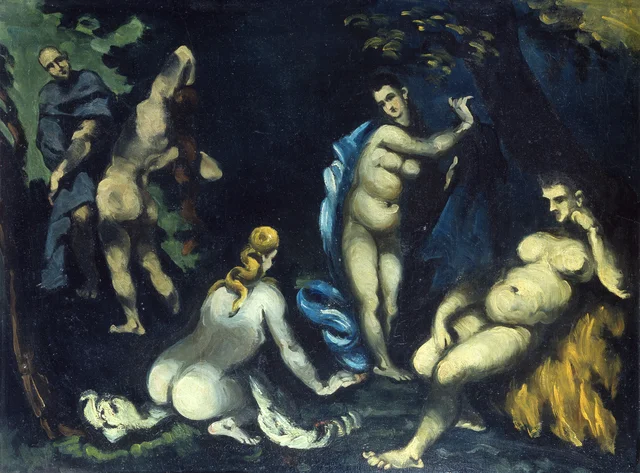 La Tentation de saint Antoine (The Temptation of St. Anthony)Paul Cézanne, 1870
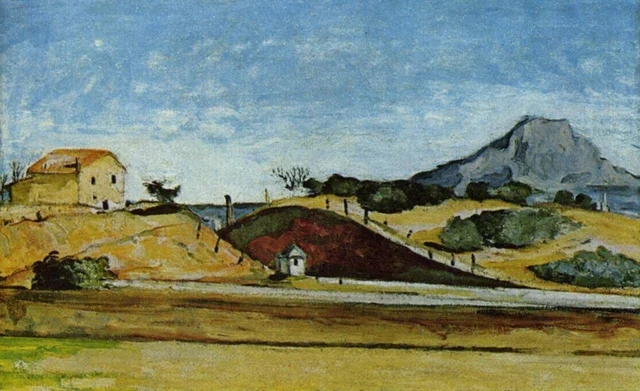 La Tranchée du chemin de ferPaul Cézanne, 1870