Paul Huet
1803–1869 · France · Romanticism
The story
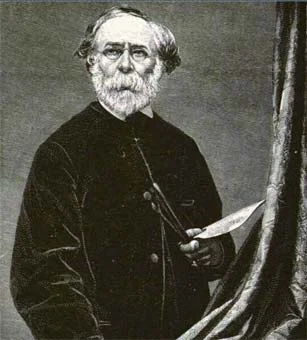
In Baron Gros's studio in Paris around 1820, a landscape-minded student named Paul Huet fell in with two young men who would matter enormously. One was the Englishman Richard Parkes Bonington, who painted quick, wet studies out of doors in Normandy and pulled Huet outside with him. The other was Eugène Delacroix, met in 1822 and a friend for life, whose leading role in French Romantic painting Huet would answer in the open air.
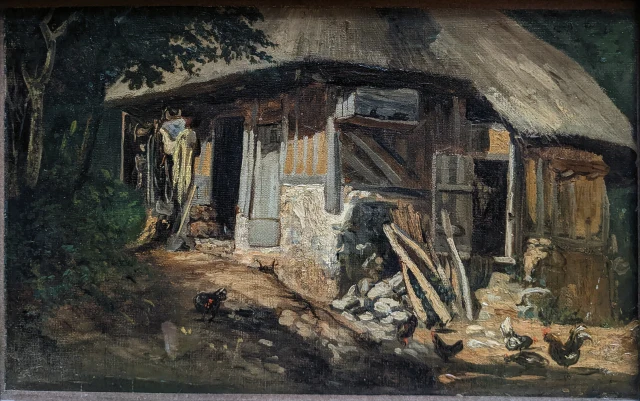
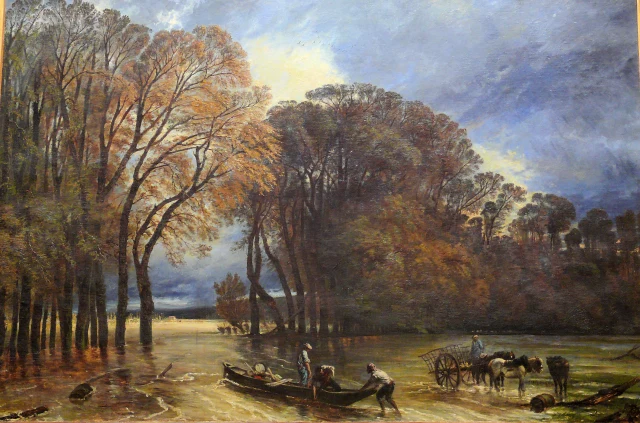
He took Bonington's outdoor habit, along with the shock of the English landscapes shown at the Paris Salon, Constable among them, and built a soft, weather-driven kind of picture, all shifting skies and moving light. His success at the Salon of 1833 got him called the Delacroix of landscape, and his way of working out of doors pointed straight toward the Barbizon painters who followed and, past them, the Impressionists.
He is the quieter name in that story now, the bridge more than the destination. His park scenes, like the tangled trees in the grounds at Saint-Cloud outside Paris, still carry the damp, unsettled mood he was after.