Peder Balke
1804–1887 · Norway · Romanticism, Landscape painting
The story
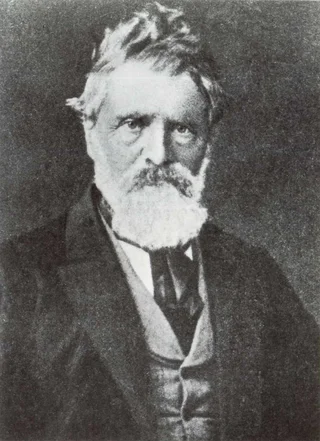
For most of the 20th century almost no one had heard of Peder Balke. He died in 1887 in Norway, his pictures scattered into a few Scandinavian collections and rarely shown, and it took until 2014, when more than 50 of them went on the walls of the National Gallery in London, for the wider art world to notice him at all.
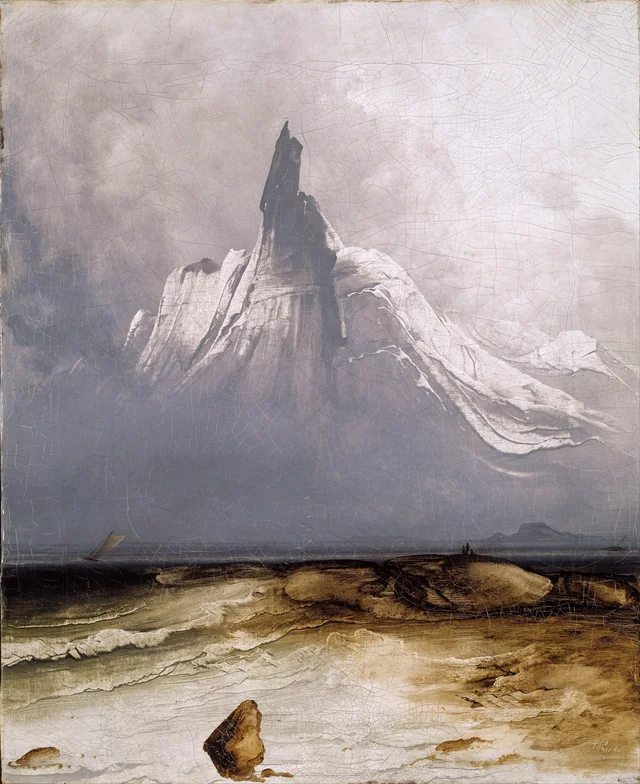
What it found was a painter far ahead of his moment. Born poor in 1804 in the Norwegian countryside, Balke trained first as a decorative craftsman before pushing into the European tradition, and along the way he met the two men who shaped Northern Romantic landscape, the German Caspar David Friedrich and the Norwegian Johan Christian Dahl. In 1832 he made a long journey up to Finnmark, the far north, and saw the North Cape and its storms firsthand. Those coasts became his lifelong subject.
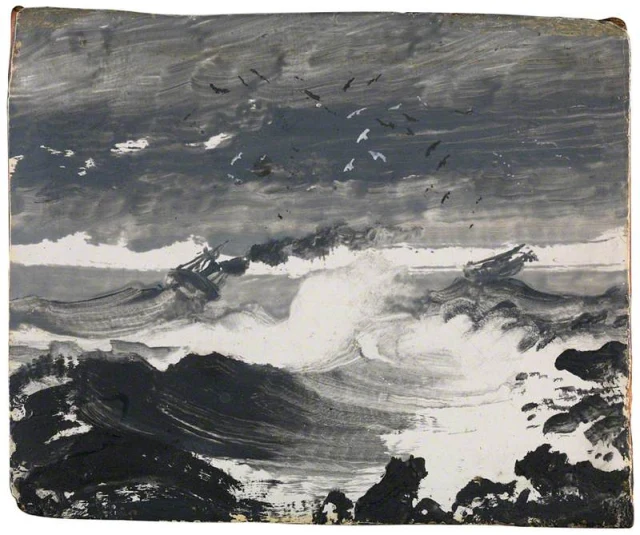
By the 1860s the commissions had dried up and he gave up painting for a living. The small panels he then made for his own pleasure are the work he is remembered for now, tiny near-monochrome scenes of sea, cloud and rock, worked with brush, fingers and the scrape of a palette knife into something that looks startlingly close to the abstraction that would arrive 50 years after his death.