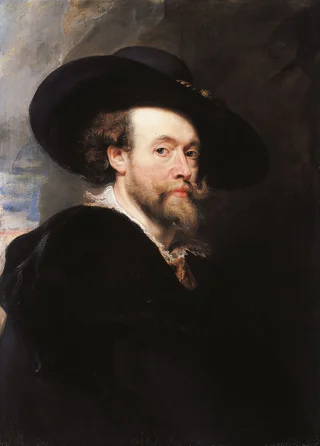
Peter Paul Rubens
1577–1640 · Spanish Netherlands · Flemish Baroque painting
The story
Most great painters stayed in the studio. Rubens spent a good part of his career as a working diplomat, and the two jobs fed each other. He was fluent in several languages, moved easily among princes, and ran the busiest painting workshop in Europe out of Antwerp, in what were then the Spanish Netherlands. Kings trusted him with more than portraits.
The clearest example came in 1629. Spain and England had been at war for years, and Philip IV of Spain sent Rubens to London in the guise of a visiting artist, a cover that let him be received at court without alarm while he quietly pressed Spain's case. Over about nine months he worked on King Charles I, a passionate art collector, arguing the case for peace between the two crowns and painting for him at the same time. One of the pictures he made there, an allegory of Peace and War, was itself part of the argument, showing the good things peace brings and the ruin that war carries off.
It worked. A treaty between England and Spain was signed in 1630, and before Rubens left, Charles knighted him. Philip IV would later do the same, so he ended up a knight of both kingdoms he had helped reconcile. He kept painting at an enormous rate to the end, much of it done with assistants blocking in his designs, and in his last decade he bought a country house south of Antwerp, the Chateau de Steen, whose fields and wet skies fill the landscapes he made purely for himself.
More articles
 Article · 45 min readThe Mauritshuis in The Hague: 20 paintings and how they came here
 Article · 42 min readWhat to See at the Louvre: 25 Highlights
 Article · 20 min readMuseo del Prado: The Paintings That Outlived Their Worlds
 Article · 41 min readThe Thyssen-Bornemisza Museum: 20 pictures bought by a father and his son
 Article · 37 min readPinacoteca di Brera: From Napoleon's Requisitions to the Grande Brera
 Article · 44 min readThe Gemäldegalerie in Berlin: 20 paintings that Berlin bought, lost and divided
Works
486 works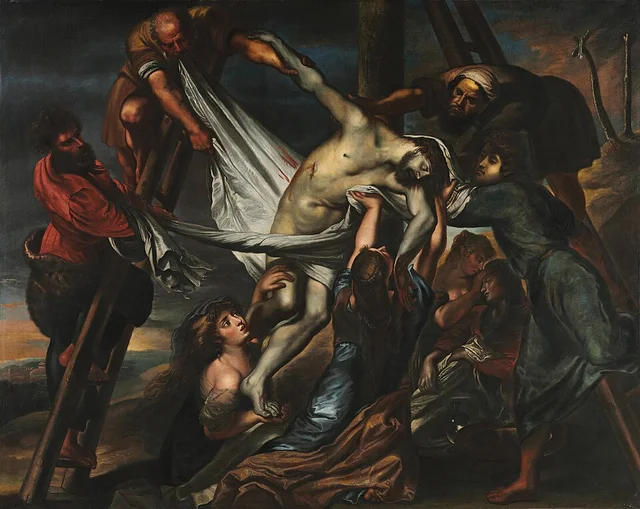 The Descent from the CrossPeter Paul Rubens, 1601
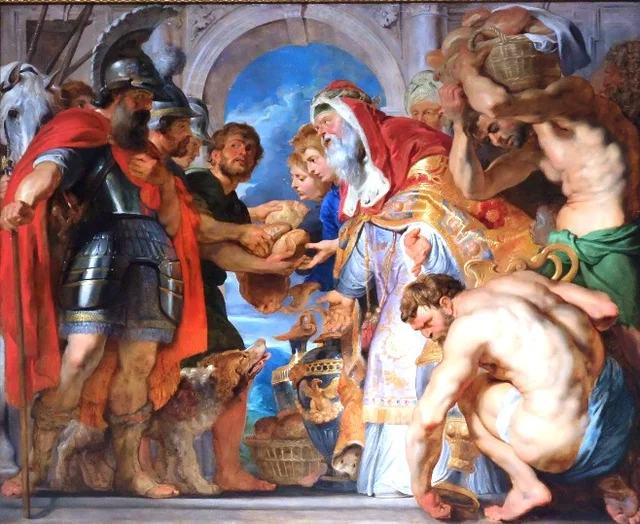 The Meeting between Abraham and MelchizedekPeter Paul Rubens, 1616
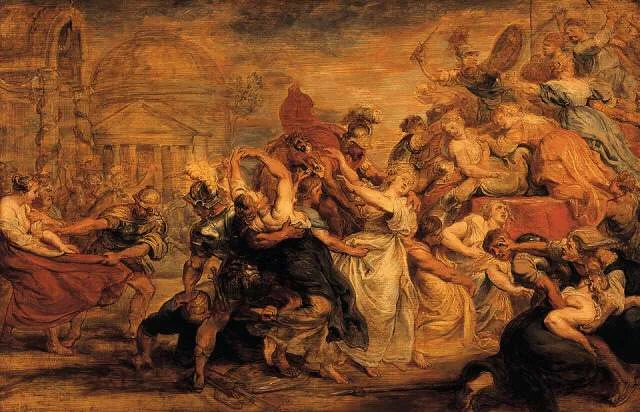 The Rape of the SabinesPeter Paul Rubens, 1635
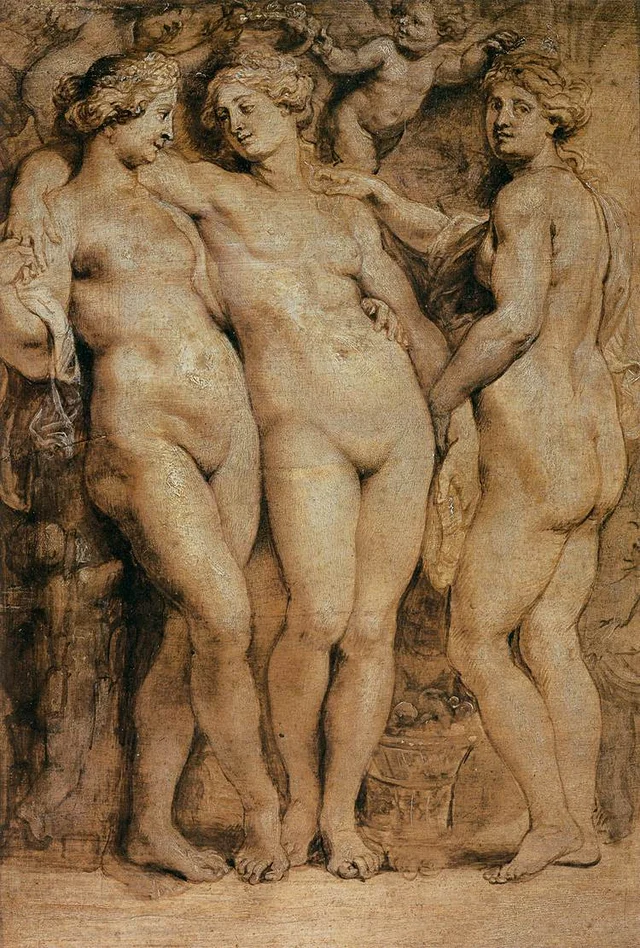 The Three GracesPeter Paul Rubens, 1620
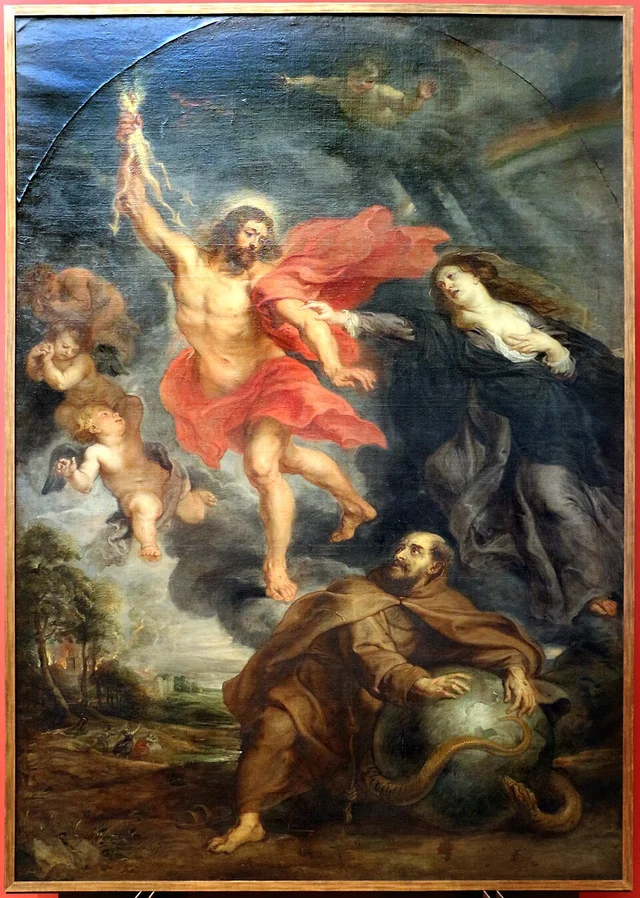 The Virgin Mary and Saint Francis Saving the World from Christ's AngerPeter Paul Rubens, 1614
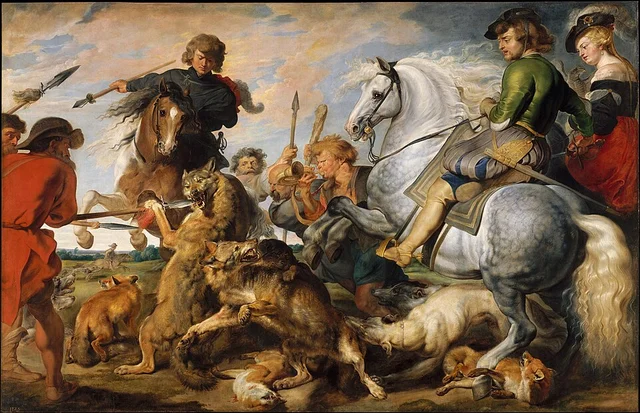 The Wolf and Fox HuntPeter Paul Rubens, 1616
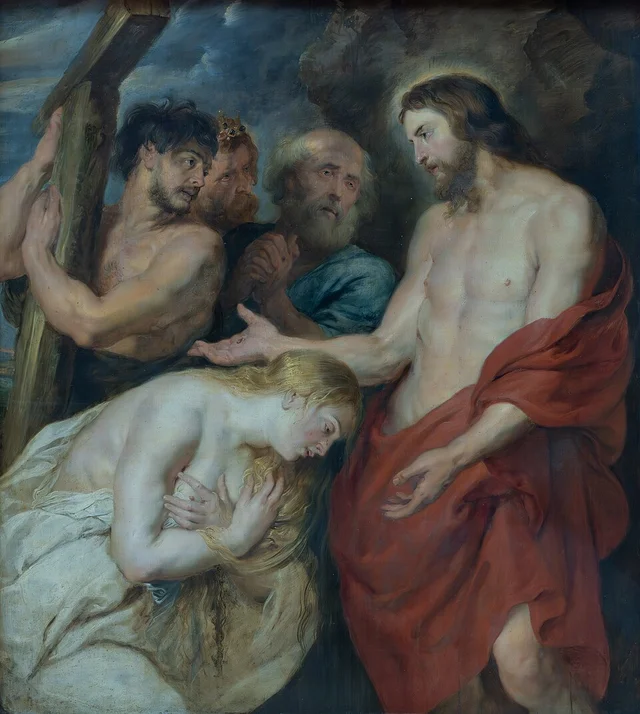 Christ and the Repentant SinnersPeter Paul Rubens, 1617
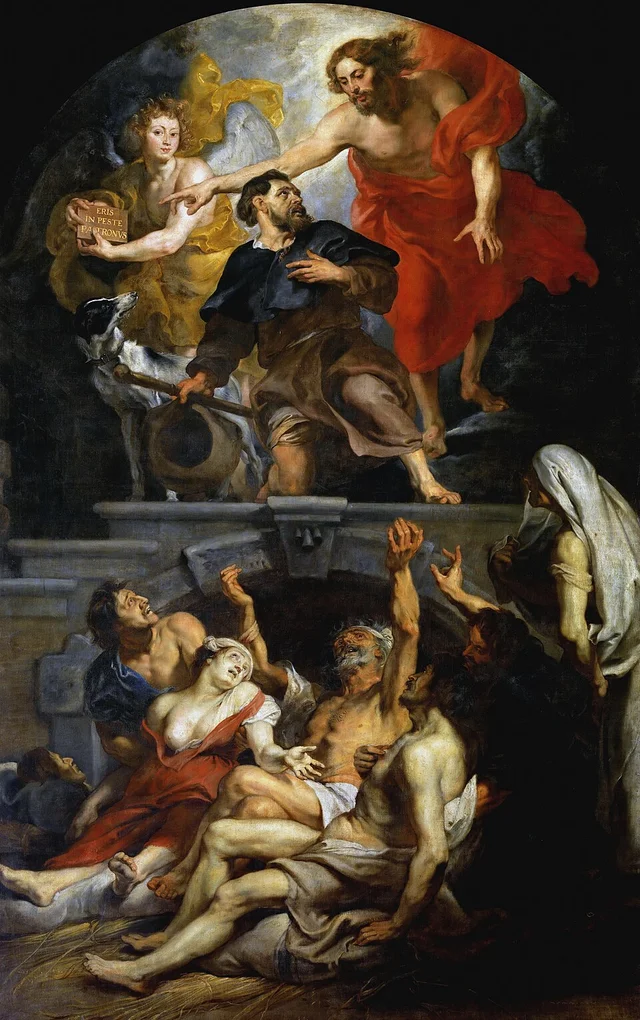 Christ Appointing Saint Roch as Patron Saint of Plague VictimsPeter Paul Rubens, 1623
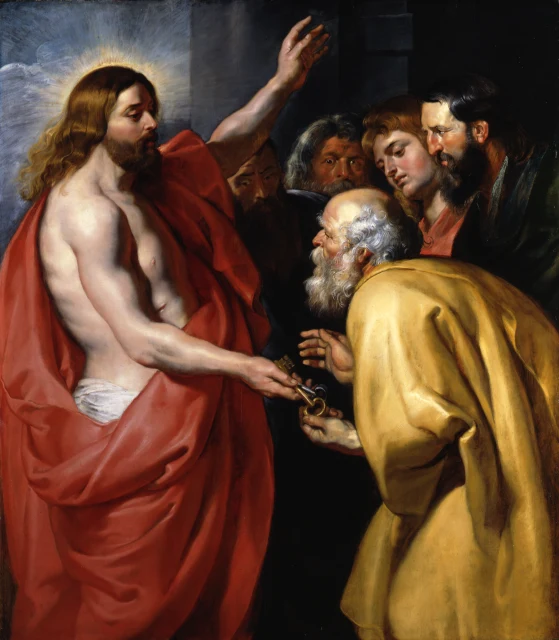 Christ Giving the Keys to St. PeterPeter Paul Rubens, 1613
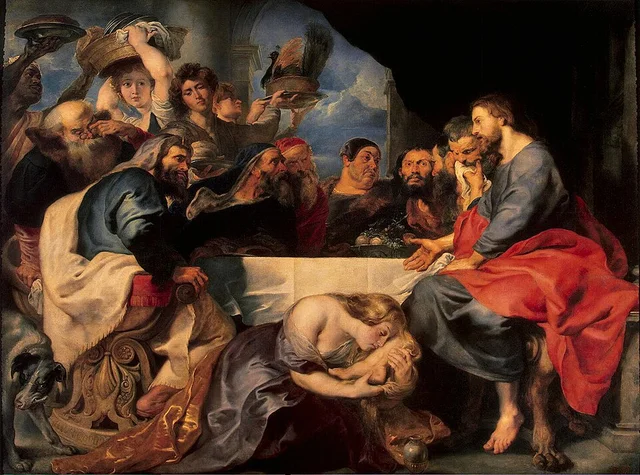 Feast in the House of Simon the PhariseePeter Paul Rubens, 1619
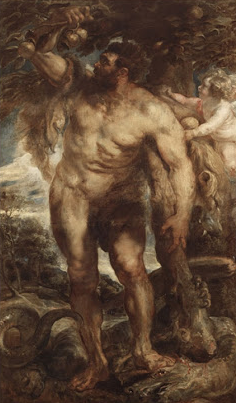 Hercules in the Garden of the HesperidesPeter Paul Rubens, 1638
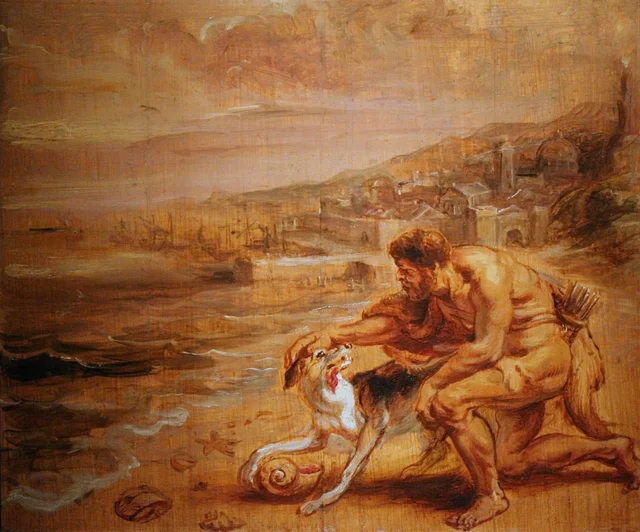 Hercules's dog discovers tyrian purplePeter Paul Rubens, 1636
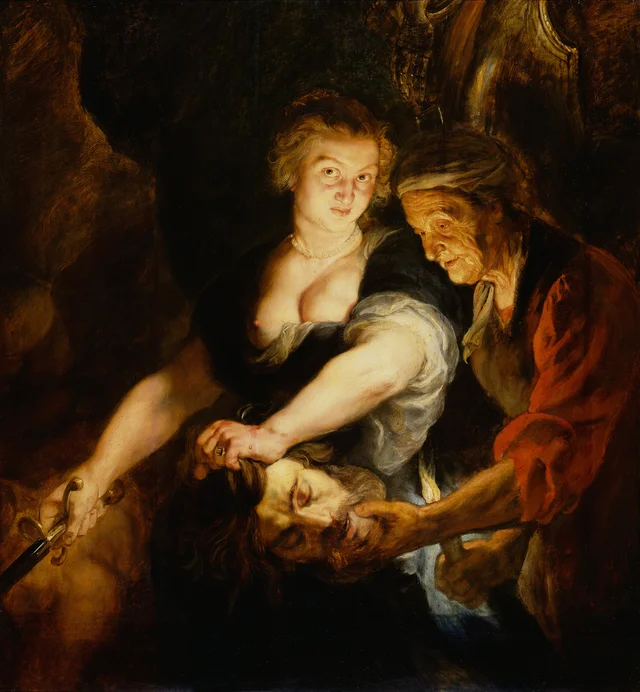 Judith with the Head of HolofernesPeter Paul Rubens, 1616
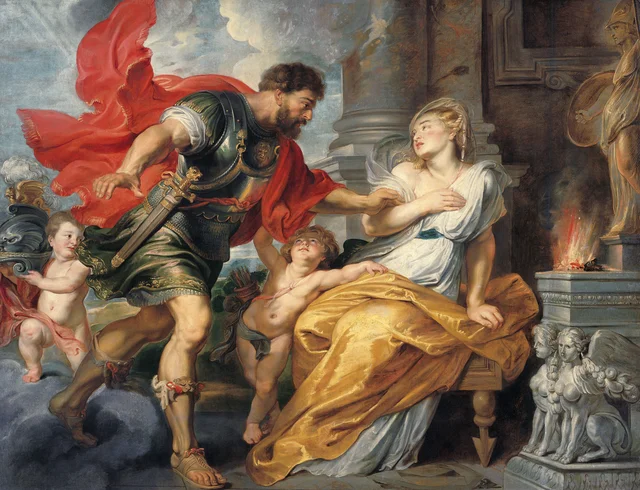 Mars and Rhea SilviaPeter Paul Rubens, 1617
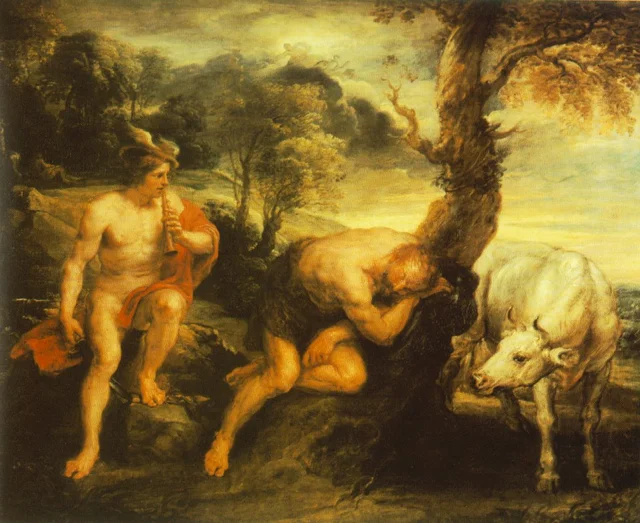 Mercury and ArgusPeter Paul Rubens, 1635
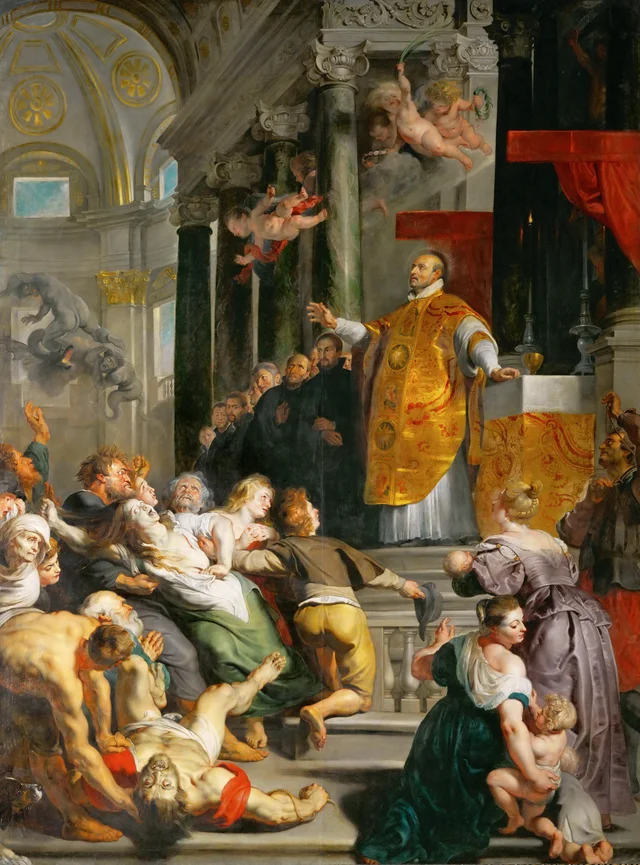 Miracle of Saint Ignatius of LoyolaPeter Paul Rubens, 1618
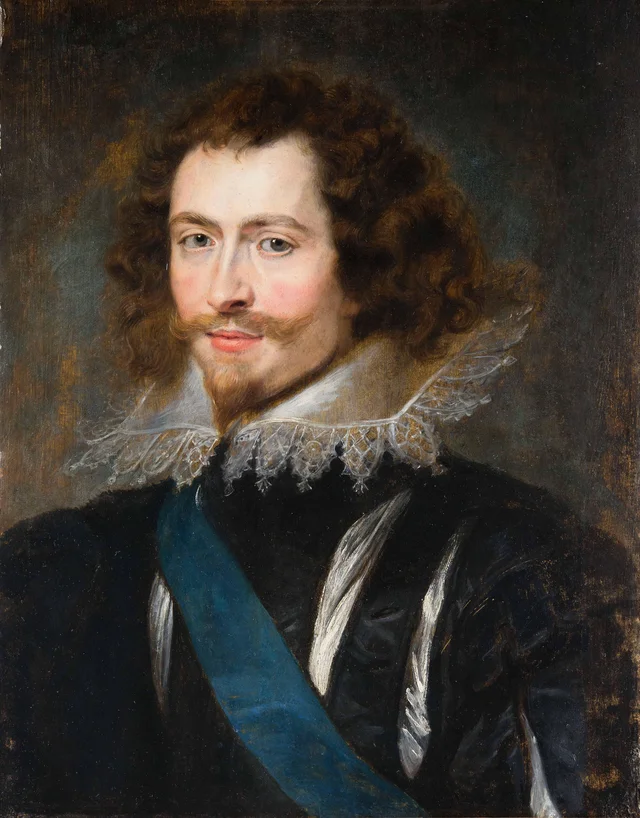 Portrait of George Villiers, 1st Duke of BuckinghamPeter Paul Rubens, 1625
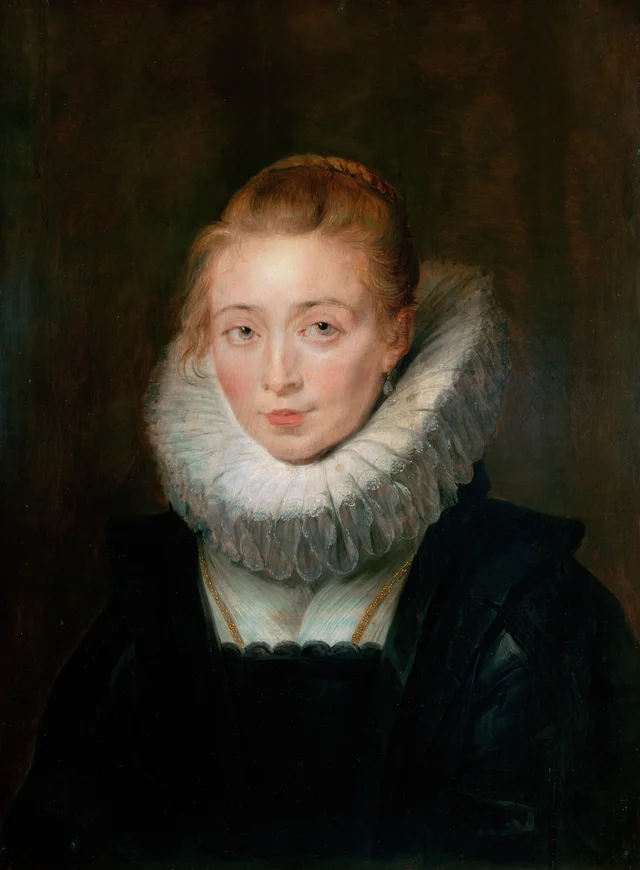 Portrait of Lady-in-Waiting to the Infanta IsabellaPeter Paul Rubens, 1625
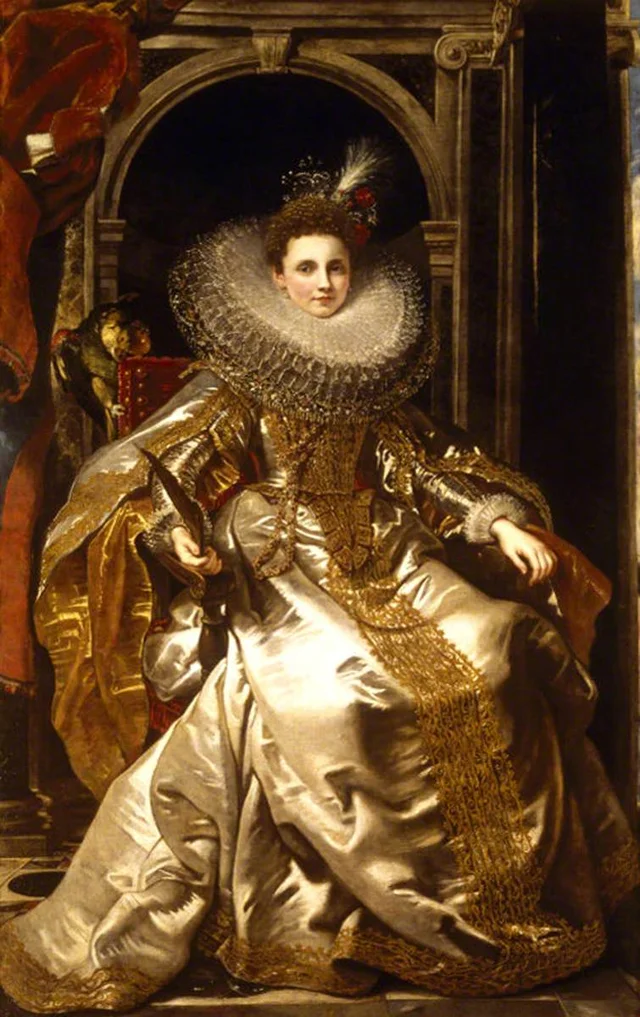 Portrait of Marchesa Maria Serra PallavicinoPeter Paul Rubens, 1606
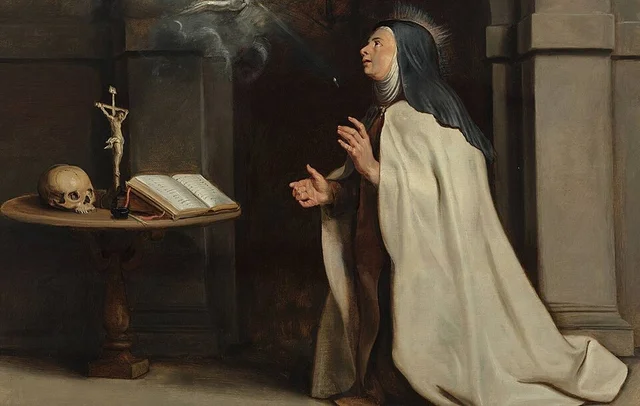 Saint Teresa of Ávila's Vision of the Holy SpiritPeter Paul Rubens, 1614
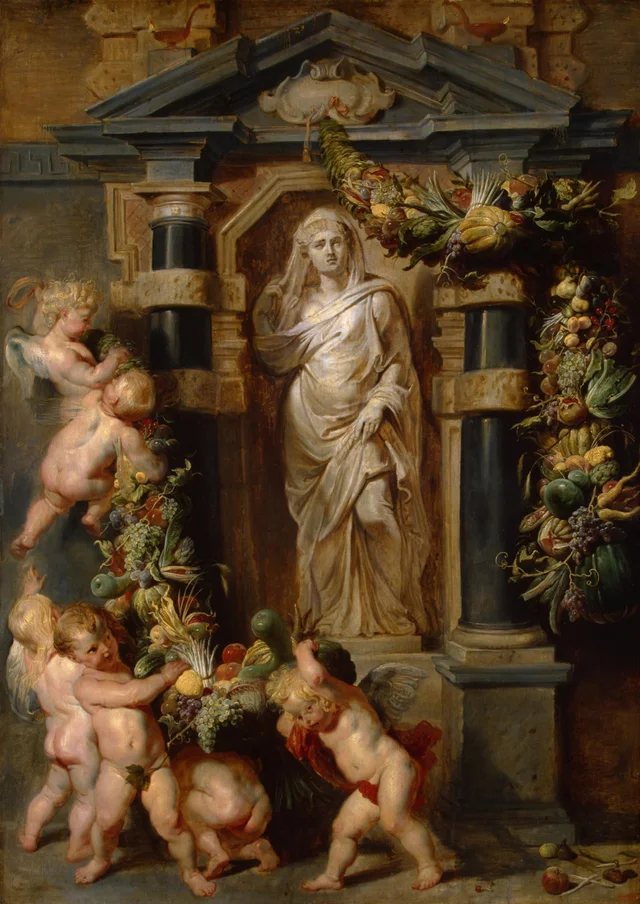 Statue of CeresPeter Paul Rubens, 1615
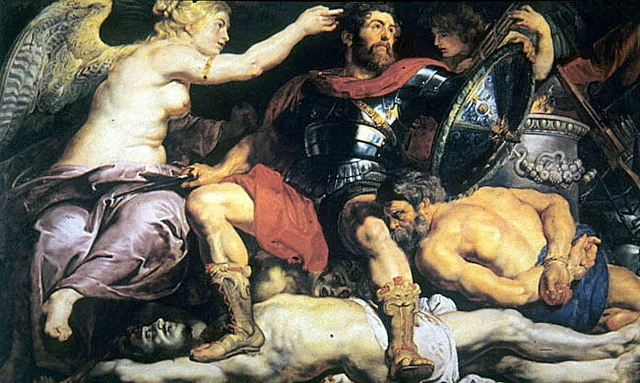 The Crowning of the Virtuous HeroPeter Paul Rubens, 1613
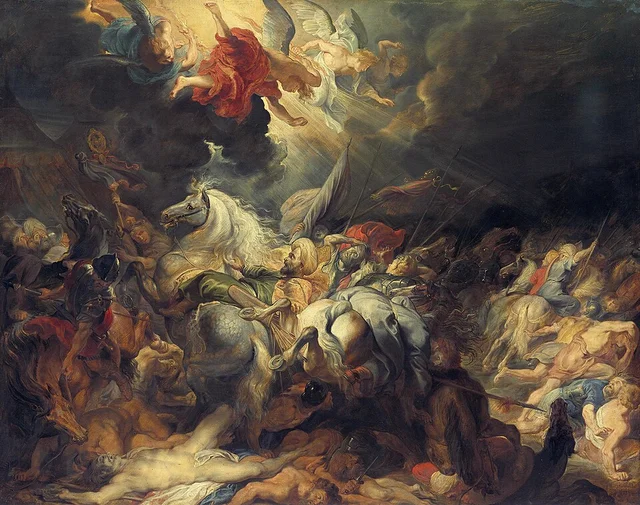 The Defeat of SennacheribPeter Paul Rubens, 1617
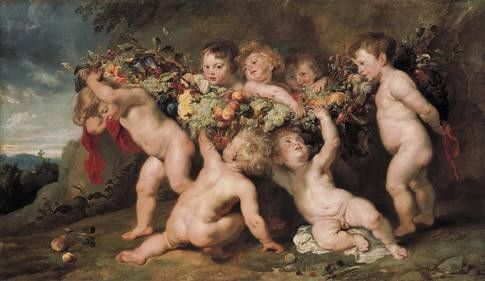 The Fruit GarlandPeter Paul Rubens, 1616
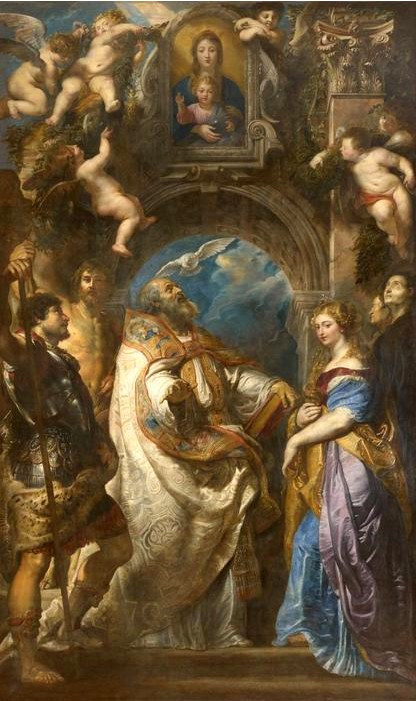 The Madonna of Vallicella adored by St. Gregory with St. Maurus, and St. Papianus; St. Domitilla, with St. Nereus and St. AchilleusPeter Paul Rubens, 1606