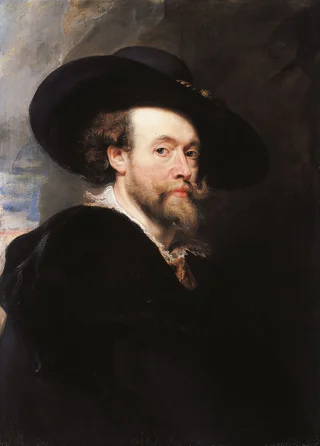
Peter Paul Rubens
1577–1640 · Spanish Netherlands · Flemish Baroque painting
The story
Most great painters stayed in the studio. Rubens spent a good part of his career as a working diplomat, and the two jobs fed each other. He was fluent in several languages, moved easily among princes, and ran the busiest painting workshop in Europe out of Antwerp, in what were then the Spanish Netherlands. Kings trusted him with more than portraits.
The clearest example came in 1629. Spain and England had been at war for years, and Philip IV of Spain sent Rubens to London in the guise of a visiting artist, a cover that let him be received at court without alarm while he quietly pressed Spain's case. Over about nine months he worked on King Charles I, a passionate art collector, arguing the case for peace between the two crowns and painting for him at the same time. One of the pictures he made there, an allegory of Peace and War, was itself part of the argument, showing the good things peace brings and the ruin that war carries off.
It worked. A treaty between England and Spain was signed in 1630, and before Rubens left, Charles knighted him. Philip IV would later do the same, so he ended up a knight of both kingdoms he had helped reconcile. He kept painting at an enormous rate to the end, much of it done with assistants blocking in his designs, and in his last decade he bought a country house south of Antwerp, the Chateau de Steen, whose fields and wet skies fill the landscapes he made purely for himself.
More articles
 Article · 45 min readThe Mauritshuis in The Hague: 20 paintings and how they came here
 Article · 42 min readWhat to See at the Louvre: 25 Highlights
 Article · 20 min readMuseo del Prado: The Paintings That Outlived Their Worlds
 Article · 41 min readThe Thyssen-Bornemisza Museum: 20 pictures bought by a father and his son
 Article · 37 min readPinacoteca di Brera: From Napoleon's Requisitions to the Grande Brera
 Article · 44 min readThe Gemäldegalerie in Berlin: 20 paintings that Berlin bought, lost and divided
Works
486 works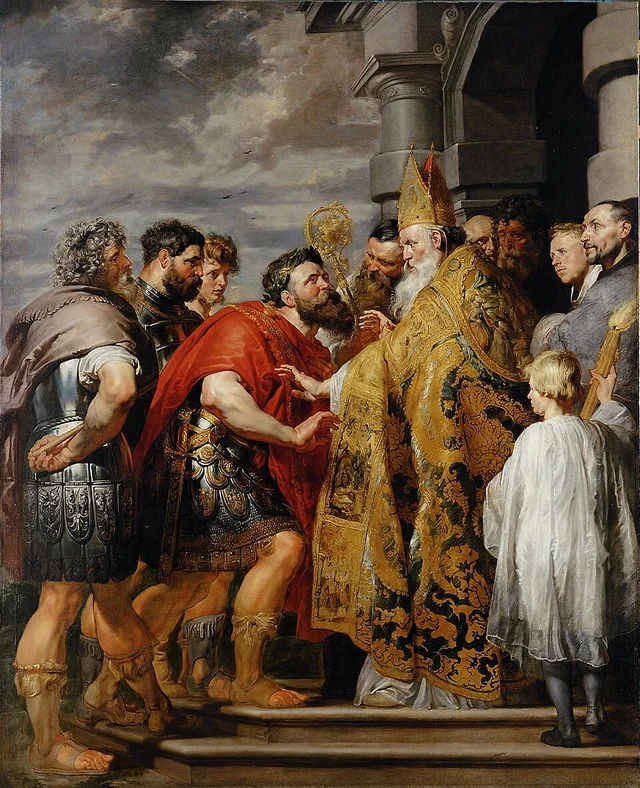 Theodosius and Saint AmbrosePeter Paul Rubens, 1617
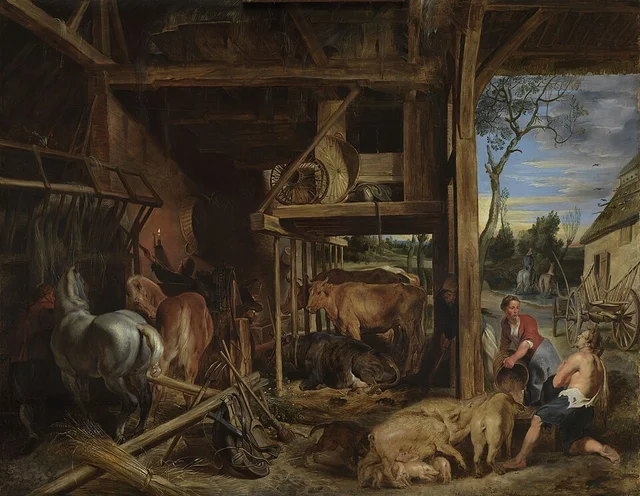 The Prodigal SonPeter Paul Rubens, 1618
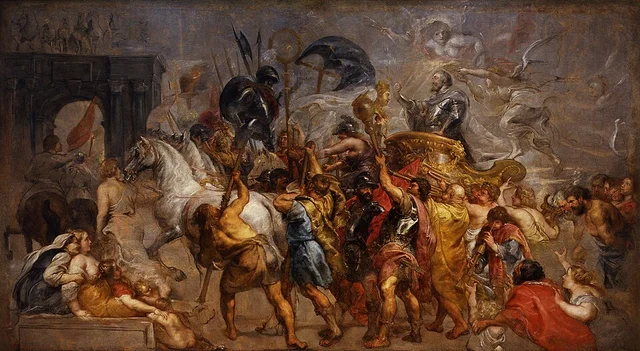 The Triumphal Entry of Henry IV into ParisPeter Paul Rubens, 1627
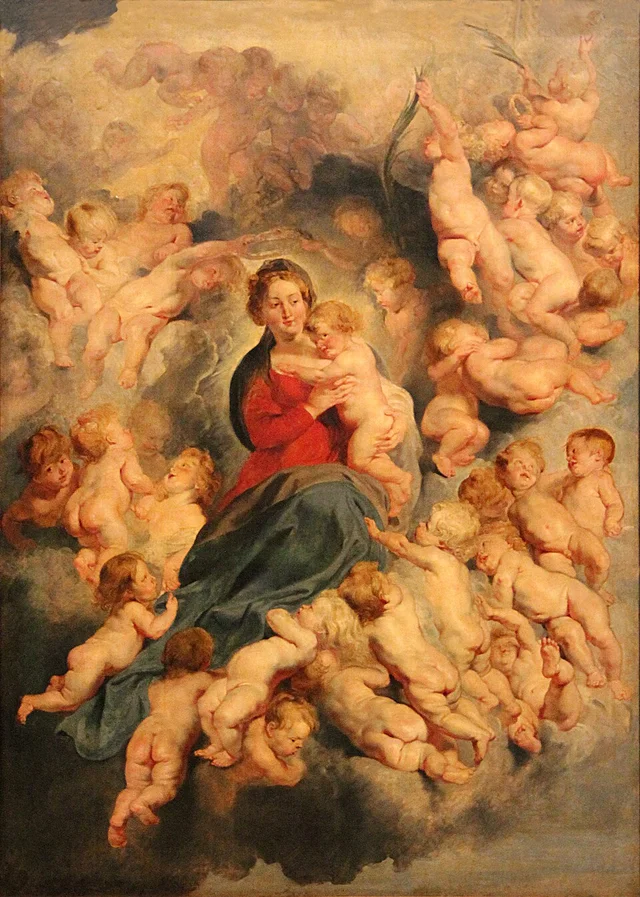 The Virgin and Child surrounded by the Holy InnocentsPeter Paul Rubens, 1618
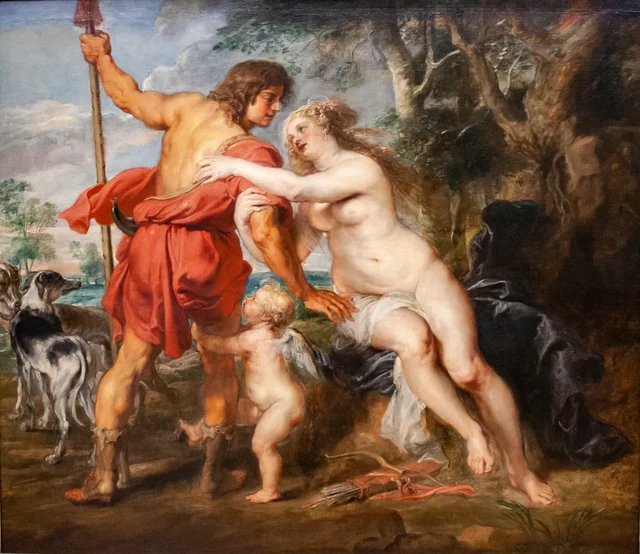 Venus and AdonisPeter Paul Rubens, 1638
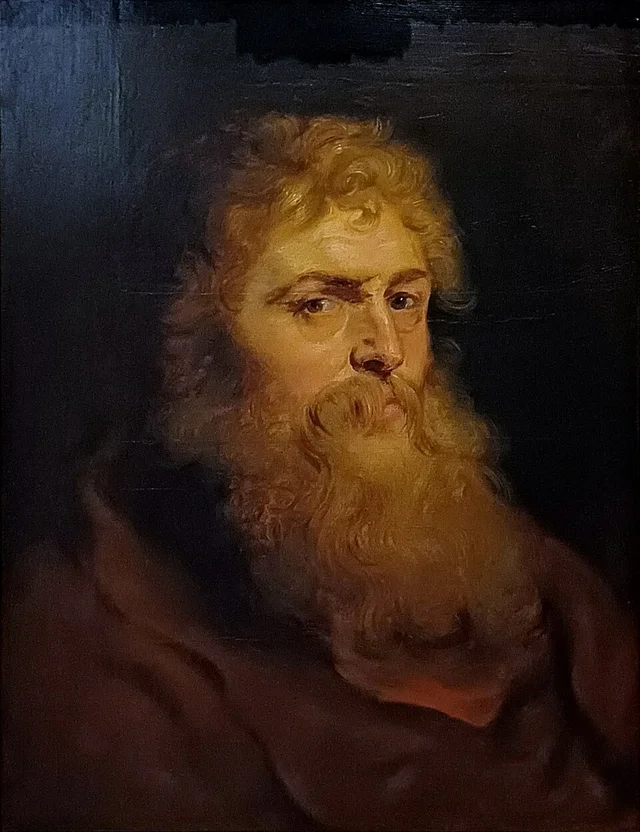 A Bearded ManPeter Paul Rubens, 1618
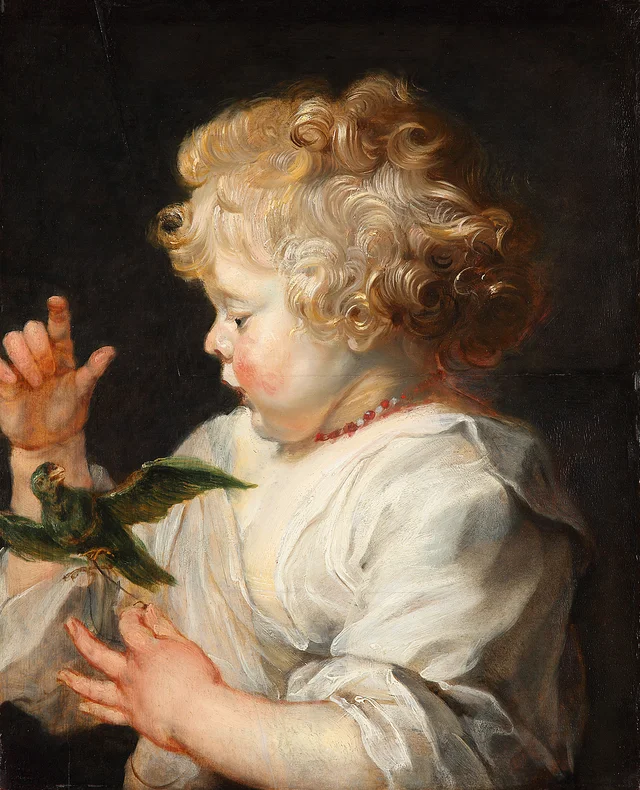 A child with birdPeter Paul Rubens, 1625
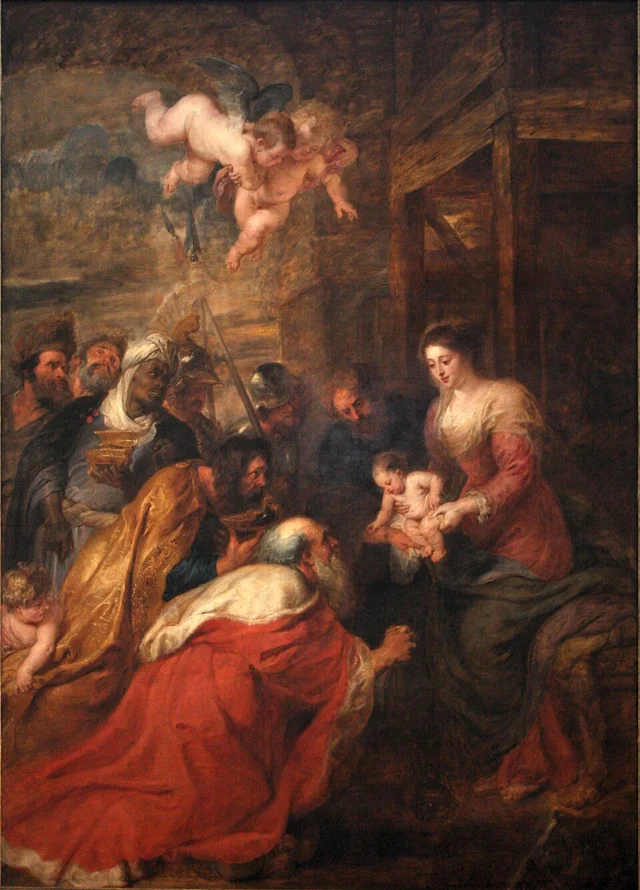 Adoration of the MagiPeter Paul Rubens, 1634
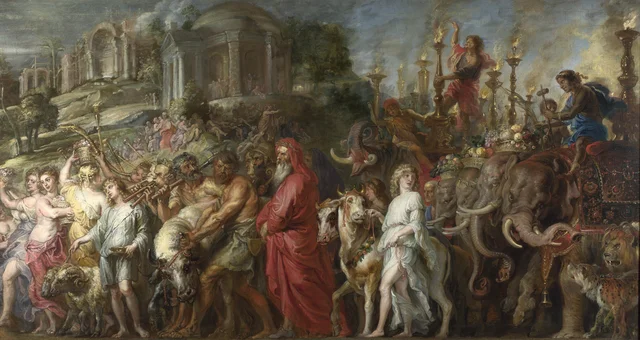 A Roman TriumphPeter Paul Rubens, 1630
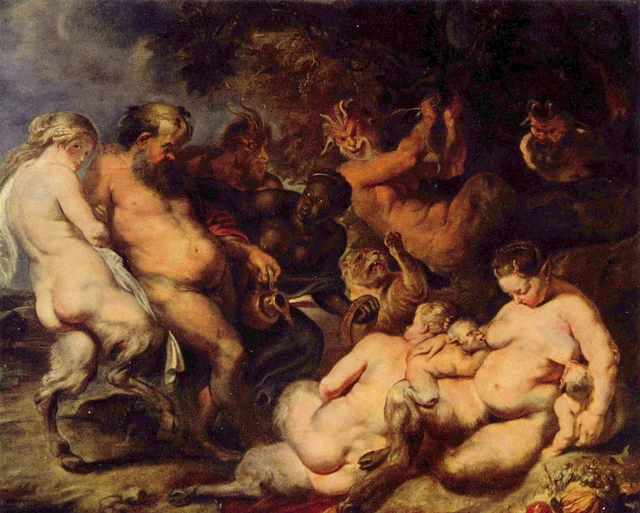 BacchanaliaPeter Paul Rubens, 1615
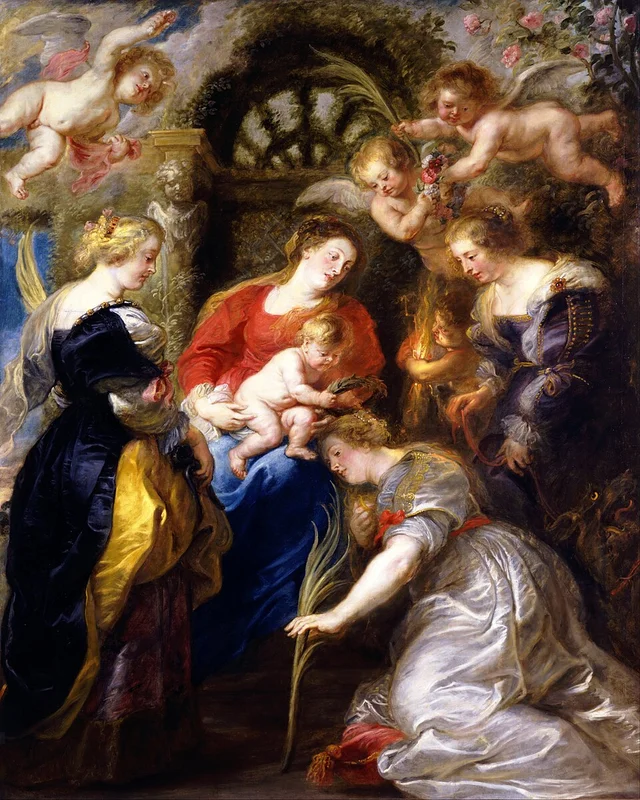 Crowning of Saint CatherinePeter Paul Rubens, 1631
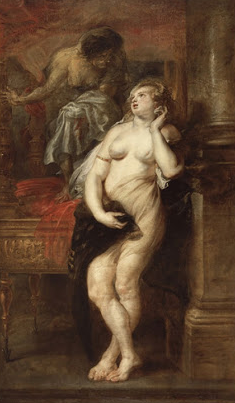 Deianira Listens to FamePeter Paul Rubens, 1638
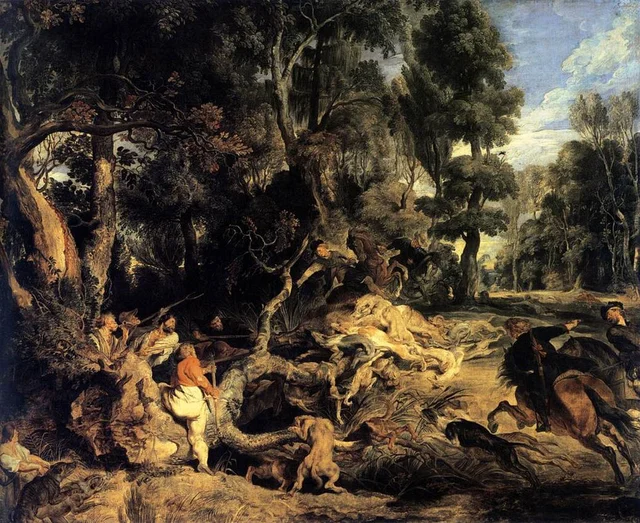 Landscape with Boar HuntPeter Paul Rubens, 1616
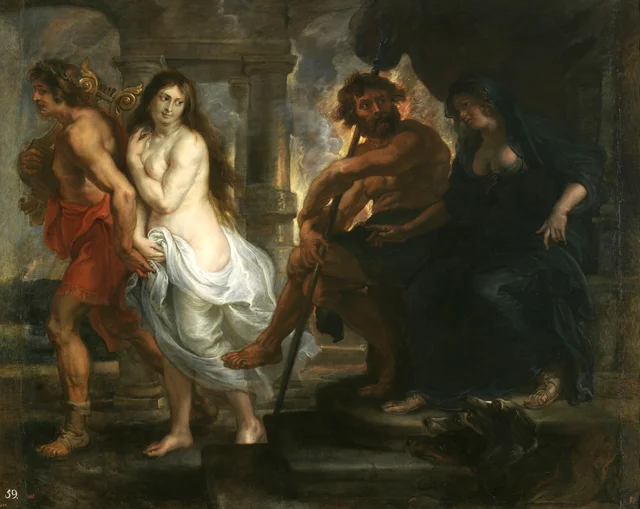 Orpheus and EurydicePeter Paul Rubens, 1636
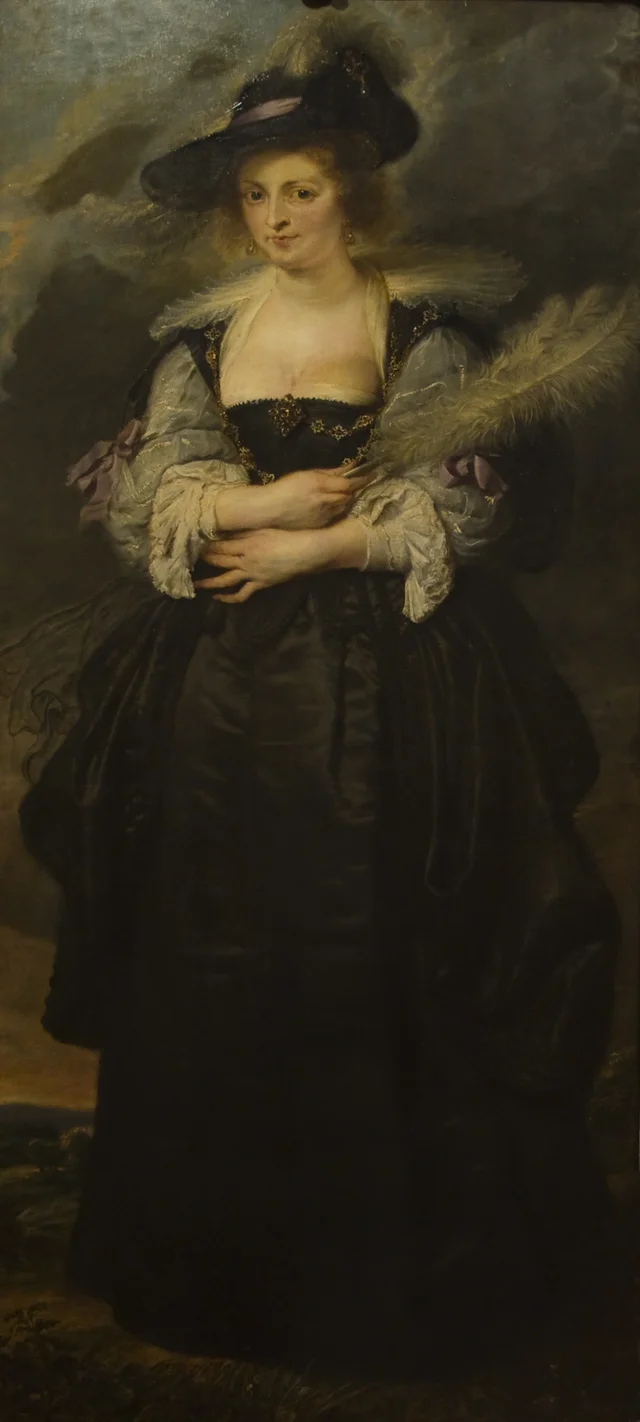 Portrait of Helena FourmentPeter Paul Rubens, 1630
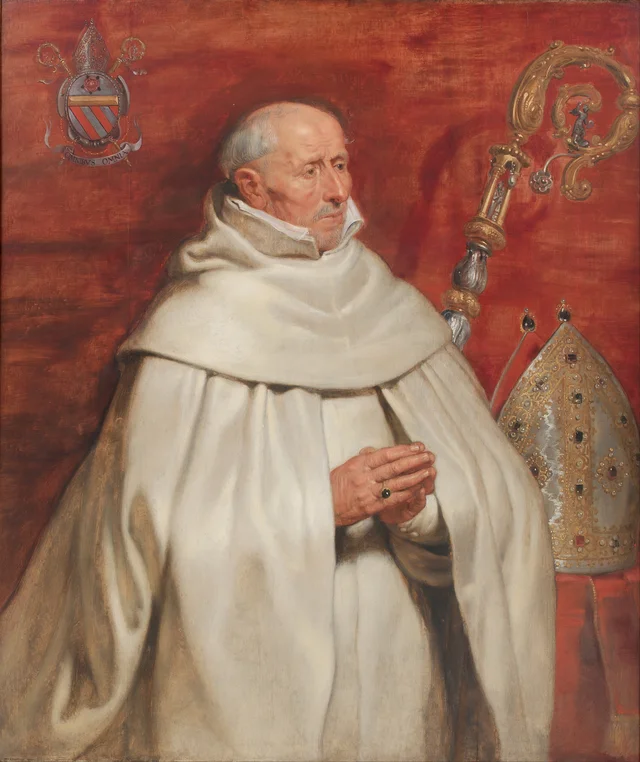 Portrait of Matthaeus Yrsselius (1541-1629), Abbot of Sint-Michiel's Abbey in AntwerpPeter Paul Rubens, 1624
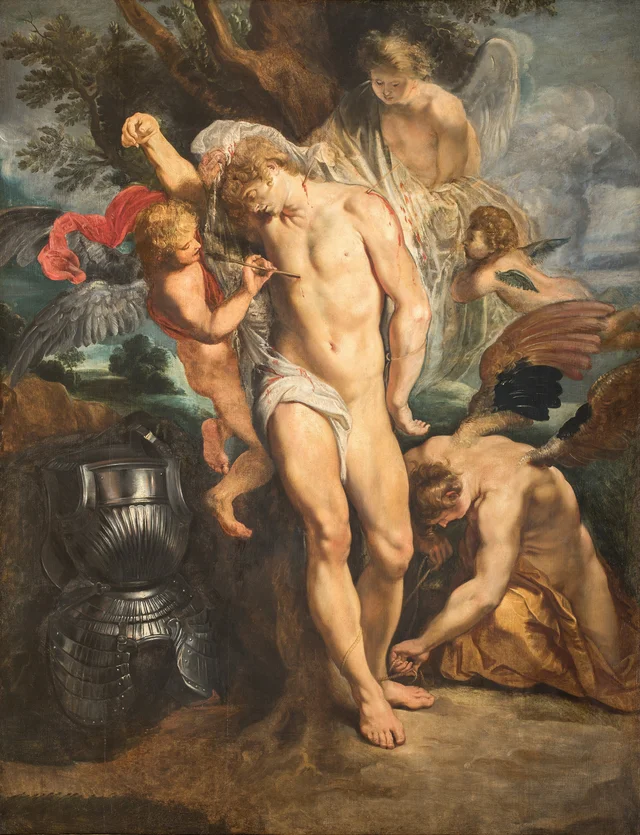 Saint Sebastian Healed by AngelsPeter Paul Rubens, 1602
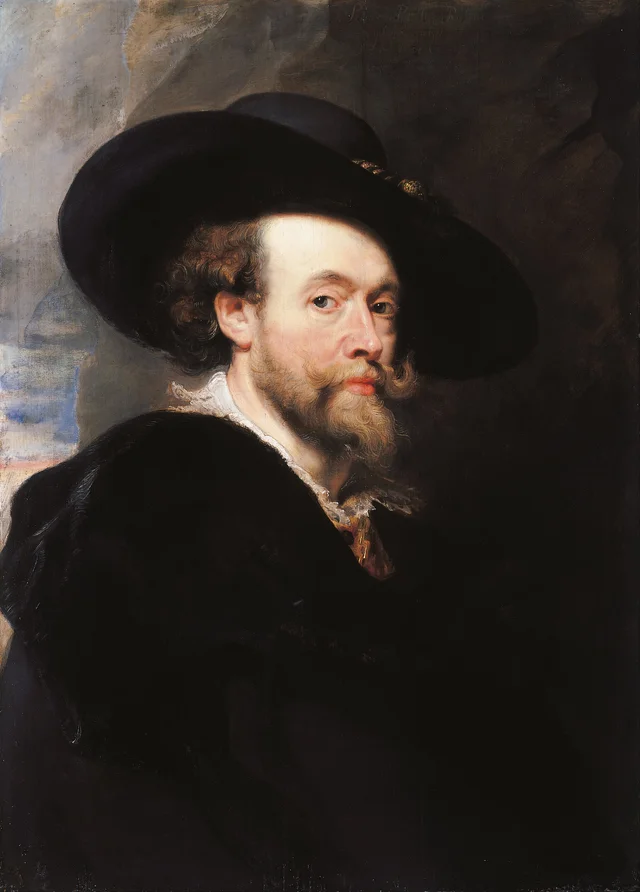 Self-portrait 1623Peter Paul Rubens, 1623
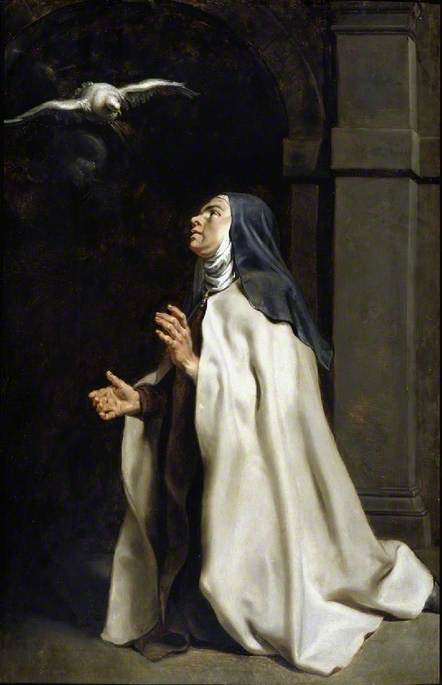 Teresa of Avilà's Vision of the DovePeter Paul Rubens, 1614
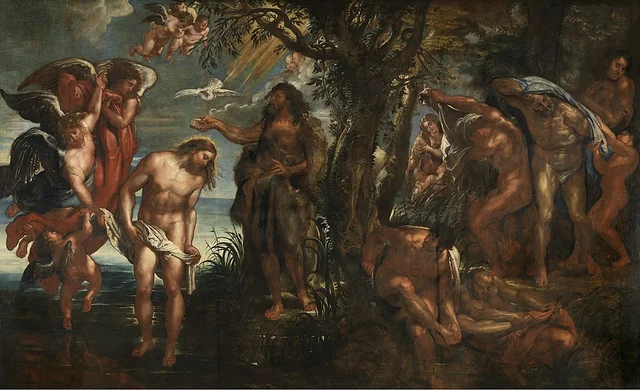 The baptism of ChristPeter Paul Rubens, 1604
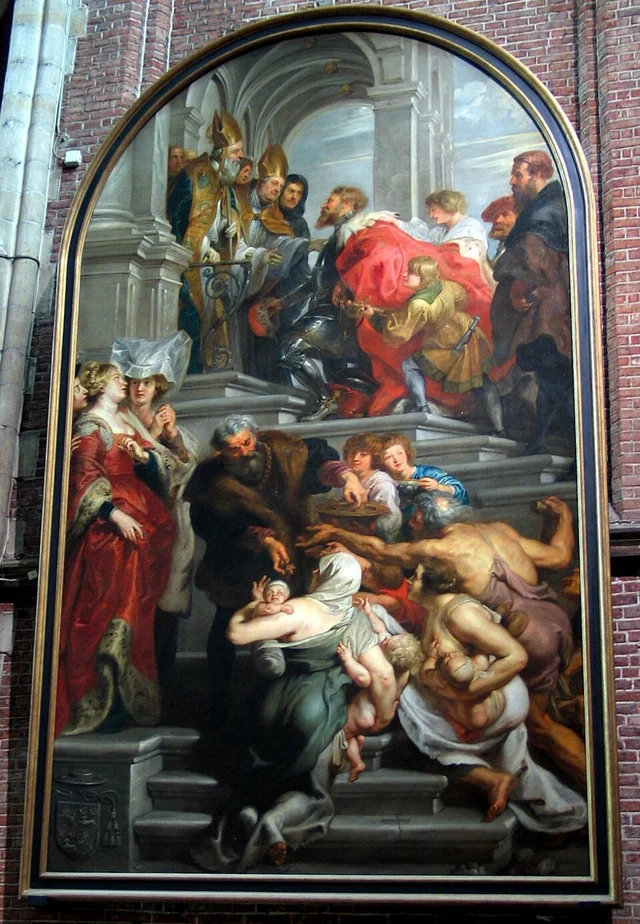 The Conversion of Saint BavoPeter Paul Rubens, 1624
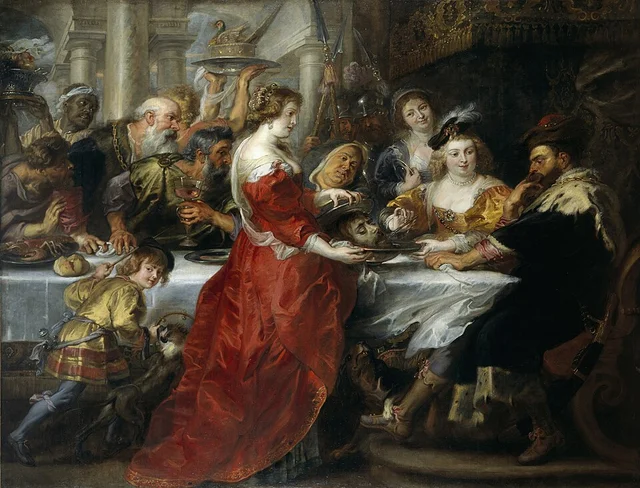 The Feast of HerodPeter Paul Rubens, 1636
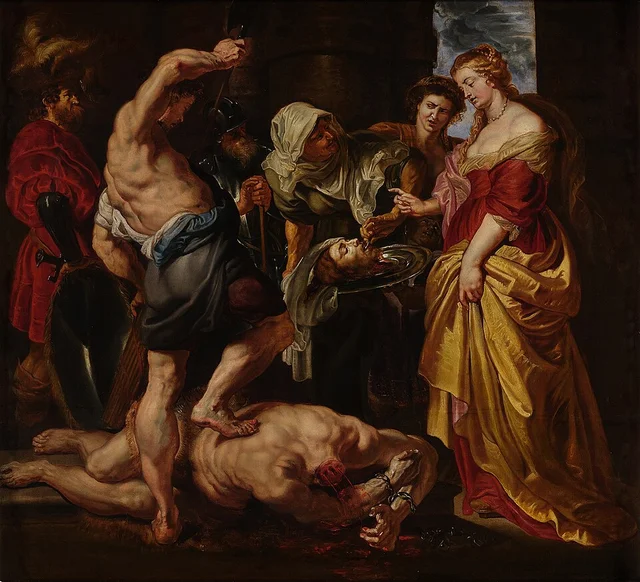 The head of Saint John the Baptist presented to SalomePeter Paul Rubens, 1609
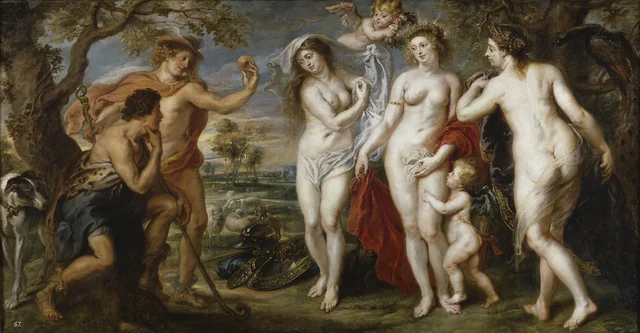 The Judgement of ParisPeter Paul Rubens, 1638
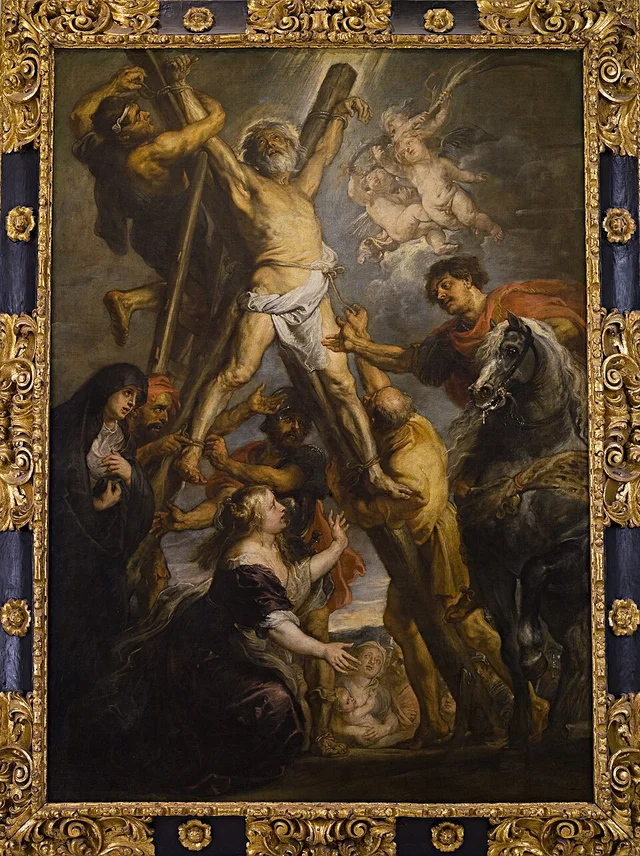 The Martyrdom of St. AndrewPeter Paul Rubens, 1639