Philip de László
1869–1937 · Austria-Hungary, United Kingdom · Portraiture, Academic art
The story
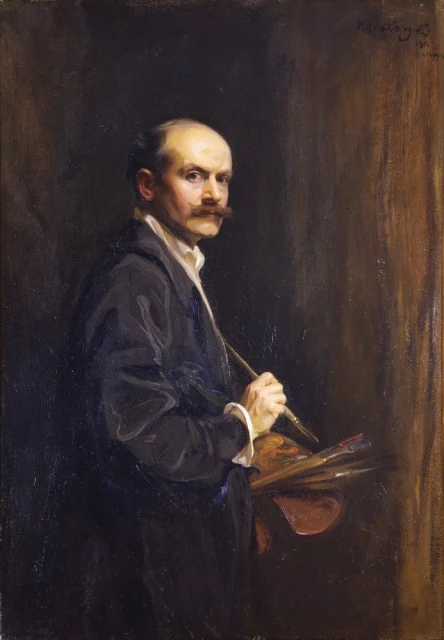
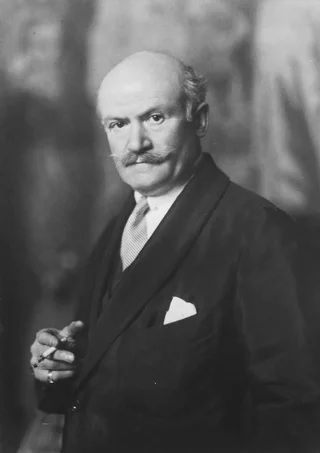
In 1900, at the Paris International Exhibition, a portrait of the aging Pope Leo XIII won its painter a grand gold medal. That painter was Philip de László, born Fülöp Laub in Budapest some thirty years earlier, the eldest son of a Jewish tailor and seamstress. As a boy he had been apprenticed to a photographer before earning a place at the Hungarian national academy.
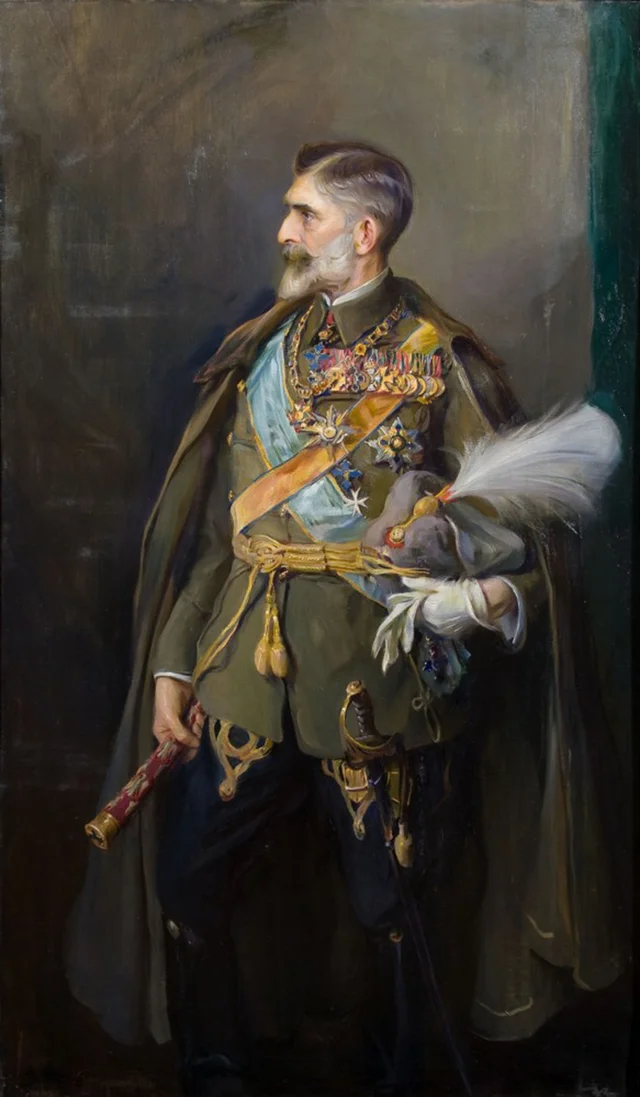
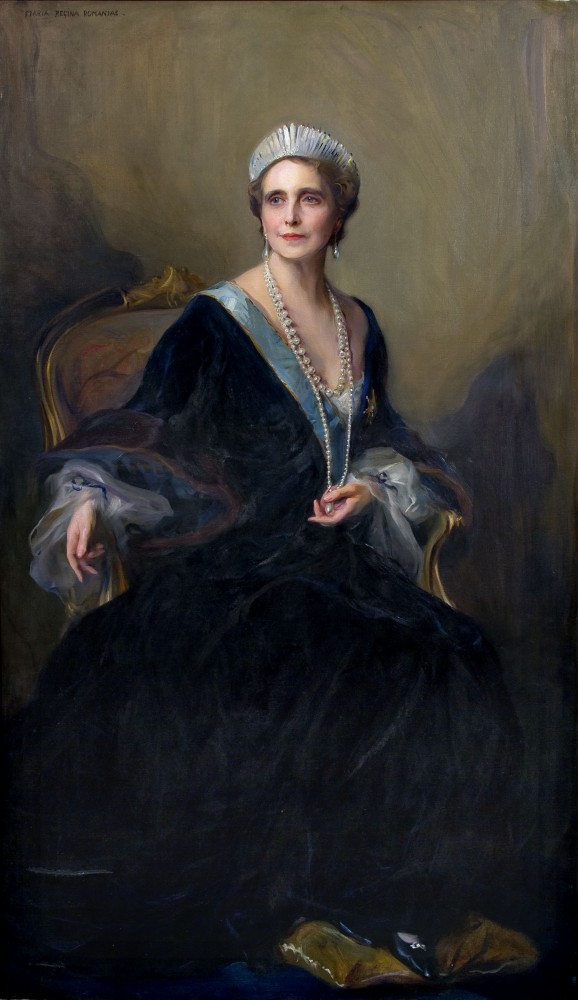
The papal portrait made his name, and commissions began to arrive from the courts and drawing rooms of Europe. In 1907 he settled in London, married into the Guinness family, and became a British subject in 1914. For most of the next three decades he was the leading society portraitist in England, painting kings, queens, and aristocrats and traveling constantly to sit them.
By his own count he produced around 5,000 portraits. During the First World War his Hungarian birth was held against him, and for a time he was interned as an enemy alien, despite the British nationality he had taken years before.