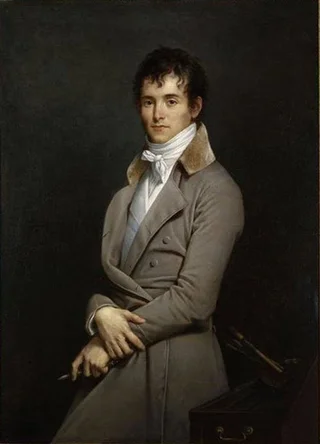
Pierre-Narcisse Guérin
1774–1833 · France · Neoclassicism
The story
Pierre-Narcisse Guerin was a strict Neoclassical painter whose studio, by accident, helped launch the Romantic movement that would overturn his own style. He believed in clear line, noble subjects from antiquity, and controlled drama, and his 1799 Return of Marcus Sextus, a stoic Roman finding his family destroyed, made him famous overnight in a France exhausted by revolution.
But it is his pupils who are remembered best. Theodore Gericault and Eugene Delacroix, the two painters who broke Neoclassicism apart, both learned their craft in Guerin's atelier, along with Ary Scheffer and Leon Cogniet. Guerin later ran the French Academy's outpost in Rome, the Villa Medici, where the state sent its prize-winning young artists. He died in Rome in 1833.
Works
10 works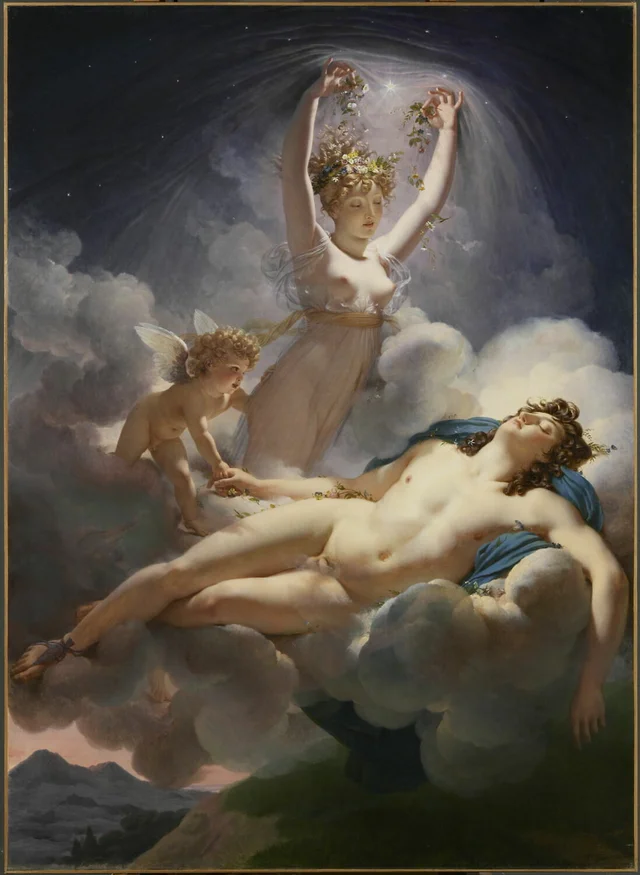 Aurora and CephalusPierre-Narcisse Guérin, 1810
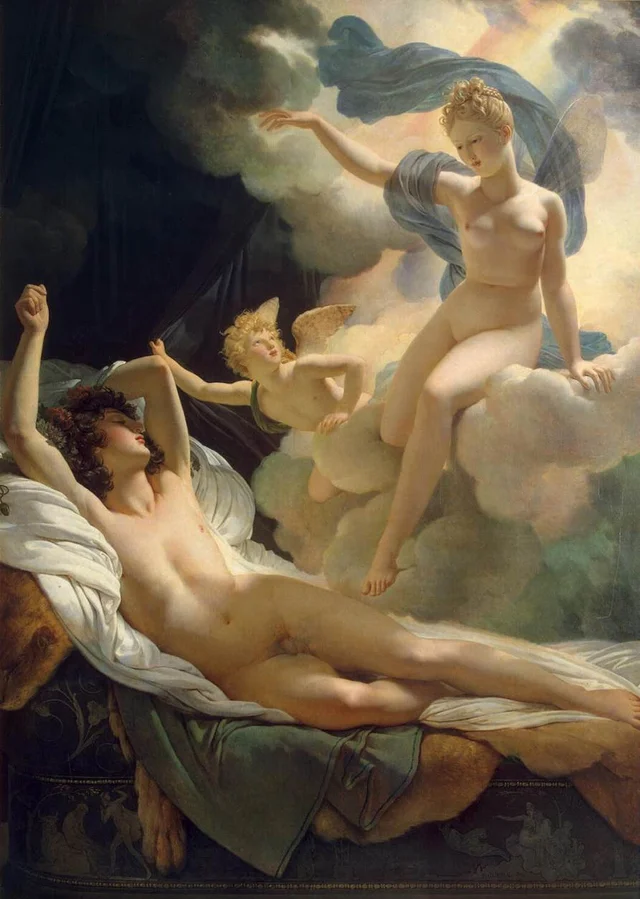 Morpheus and IrisPierre-Narcisse Guérin, 1811
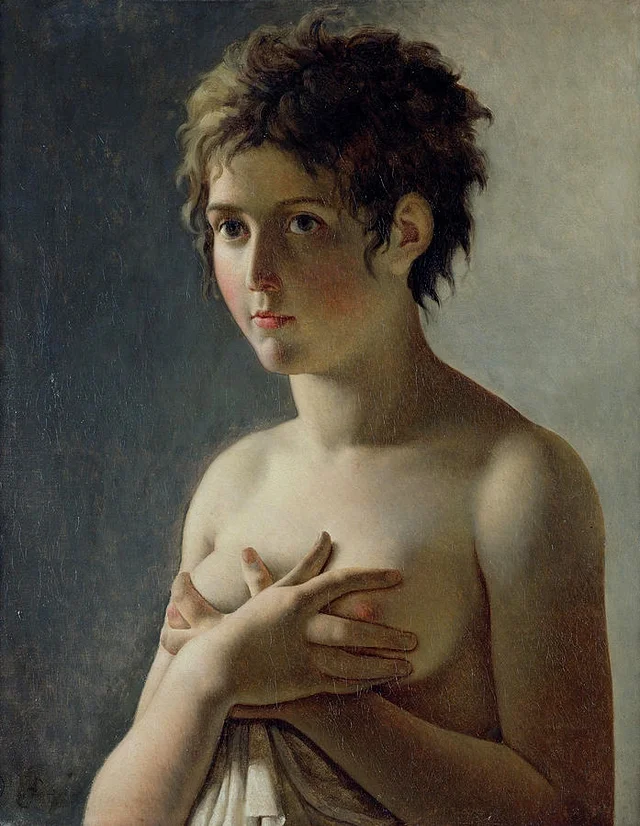 Portrait of a young girlPierre-Narcisse Guérin, 1795
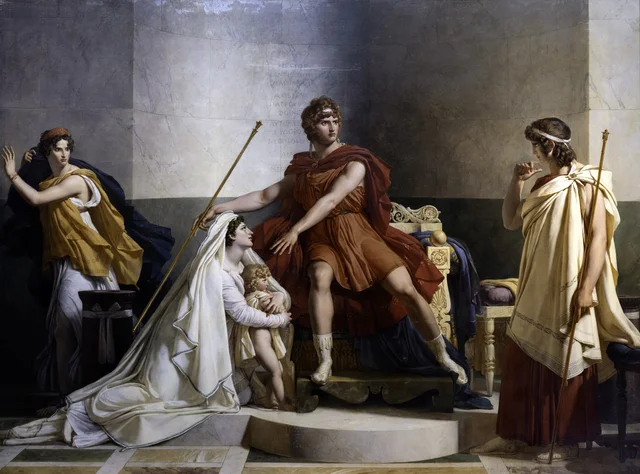 Andromache and PyrrhusPierre-Narcisse Guérin, 1810
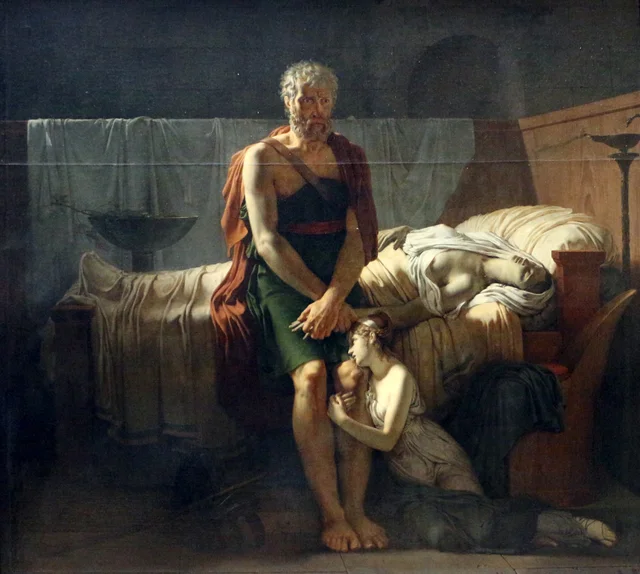 The Return of Marcus SextusPierre-Narcisse Guérin, 1799
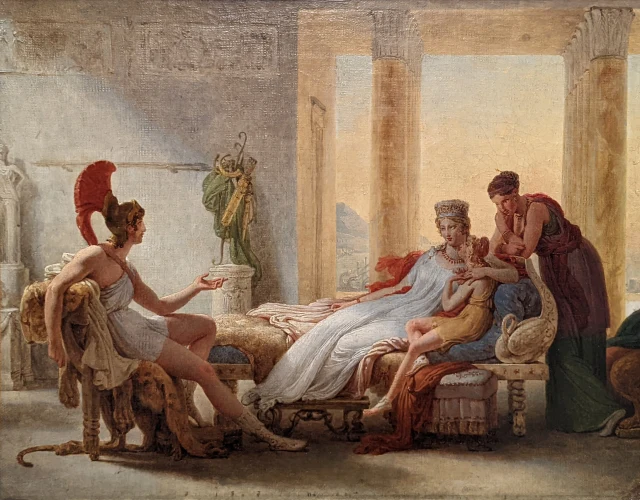 Aeneas and Dido (Sketch)Pierre-Narcisse Guérin, 1802
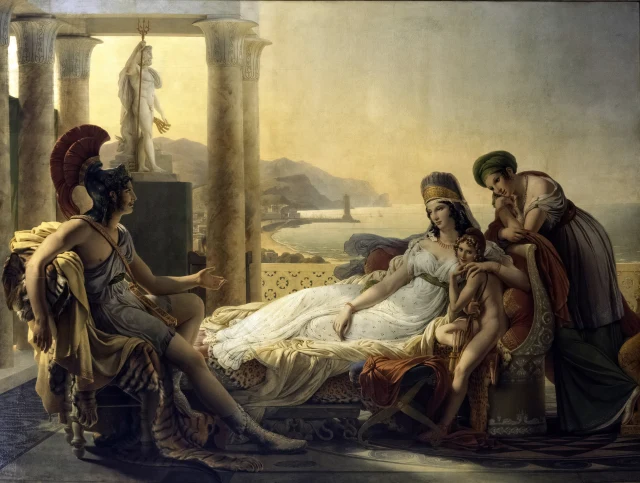 Aeneas Telling Dido of the Misfortunes of TroyPierre-Narcisse Guérin, 1815
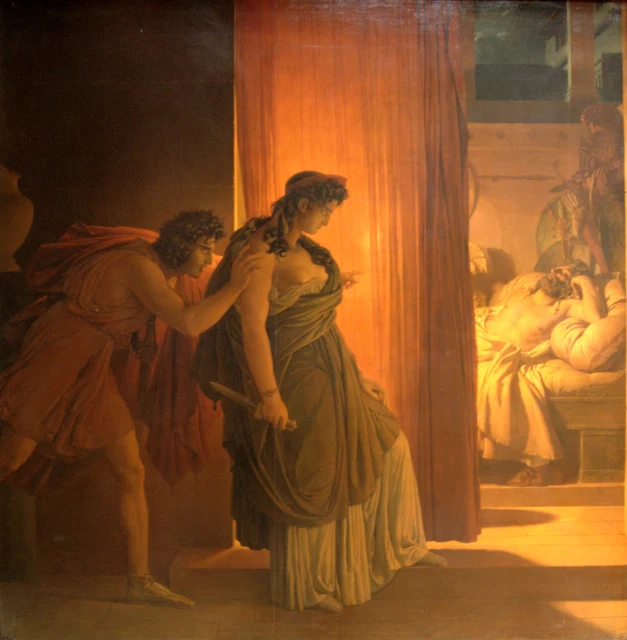 Clytemnestra Hesitates before Killing the Sleeping AgamemnonPierre-Narcisse Guérin, 1817
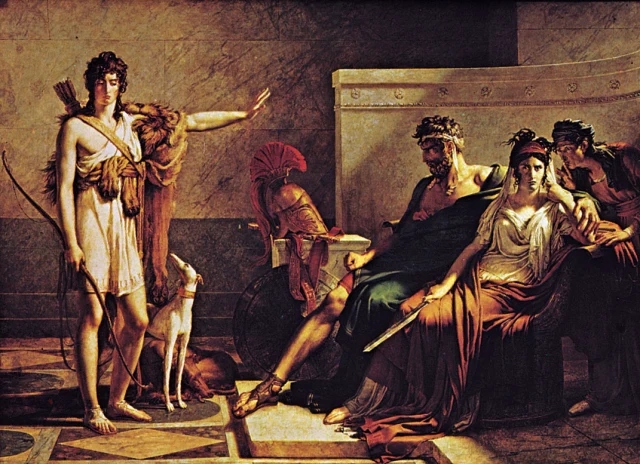 Phaedra and HippolytusPierre-Narcisse Guérin, 1802
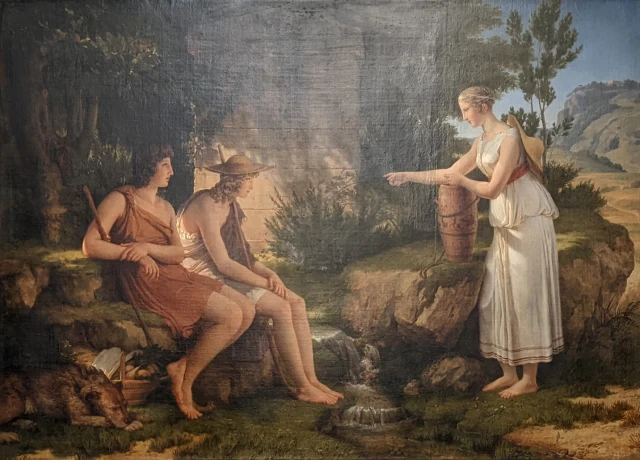 The Shepherds at the Tomb of AmyntasPierre-Narcisse Guérin, 1805