Pietro della Vecchia
1603–1678 · Republic of Venice · Baroque, Mannerism, Venetian school
The story
In 17th-century Venice, the great age of Titian and Giorgione was already a hundred years gone, and collectors wanted more of it than the past had left behind. Pietro della Vecchia made a career out of that hunger. Trained under Alessandro Varotari, a painter who worshipped the old Venetian masters, he learned to reproduce the look of the previous century so convincingly that the critic Marco Boschini nicknamed him la simia di Zorzon, the ape of Giorgione.
That was meant as praise. Della Vecchia painted pastiches in the manner of the 16th-century greats, designed cartoons for the mosaics of San Marco, and worked as a restorer, mending the very pictures he had learned to echo. By the 1630s he was one of the busiest painters in the city, and around 1640 he was named pitor ducal, painter to the doge, a post he kept for more than 30 years.
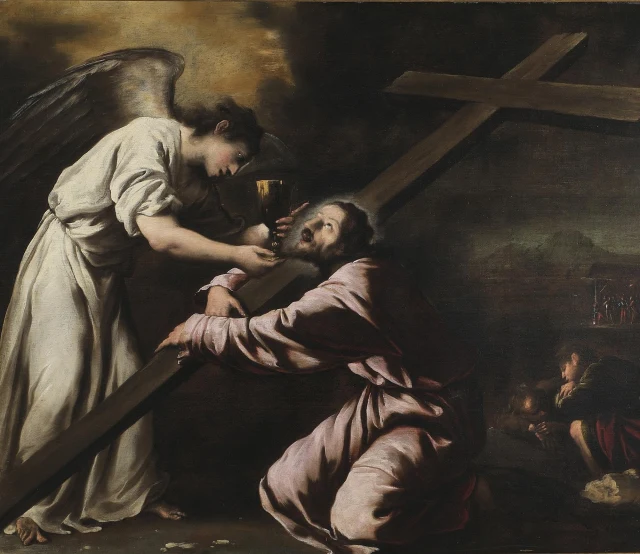
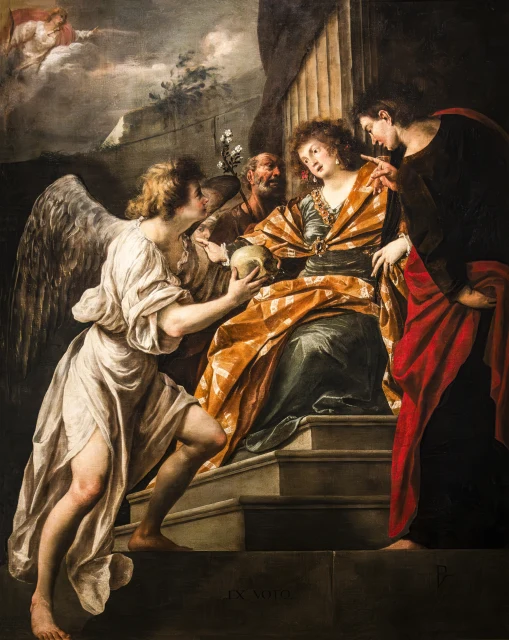
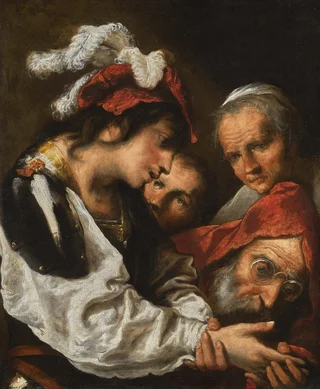
His own invention shows most in his genre scenes, groups of bravi, the swaggering armed men of Venice, half-lit and crowded close to the picture surface. The Accademia holds work from a lifetime spent so deep inside other men's styles that his real surname, Della Vecchia, was lost for a century behind a wrong one, Muttoni, only corrected by scholarship in 1984.