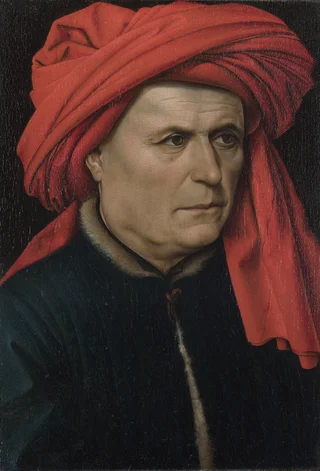
Robert Campin
1444 · Southern Netherlands · Early Netherlandish painting
The story
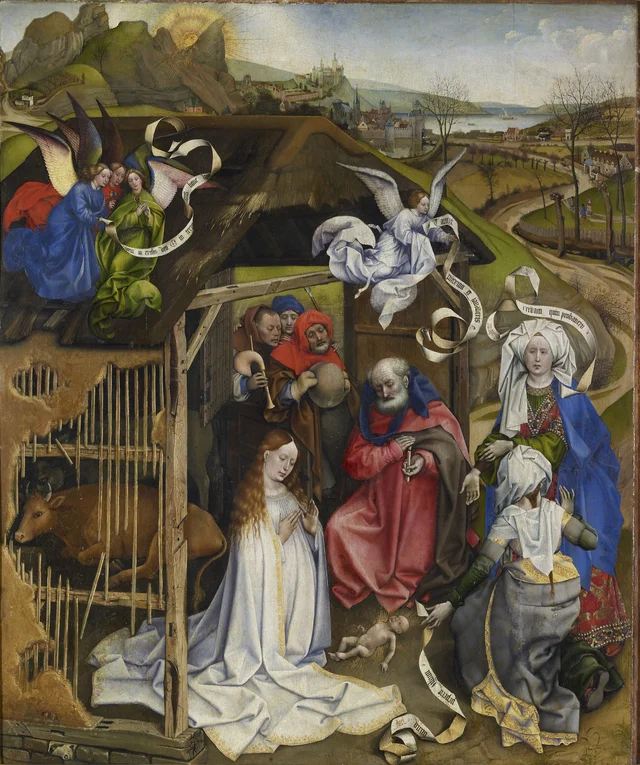
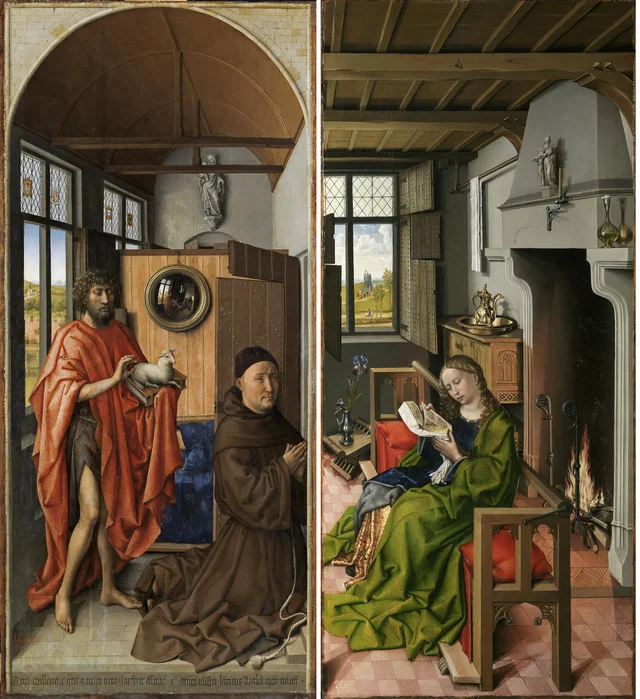
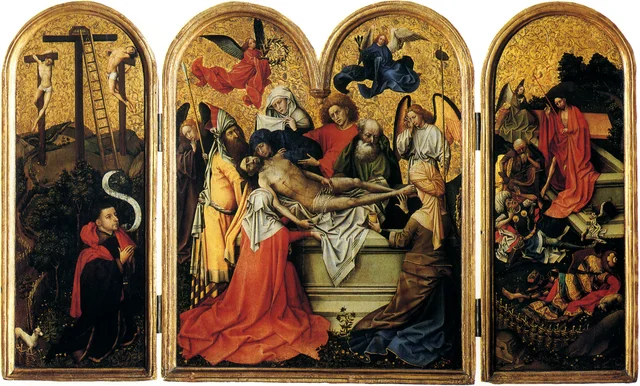
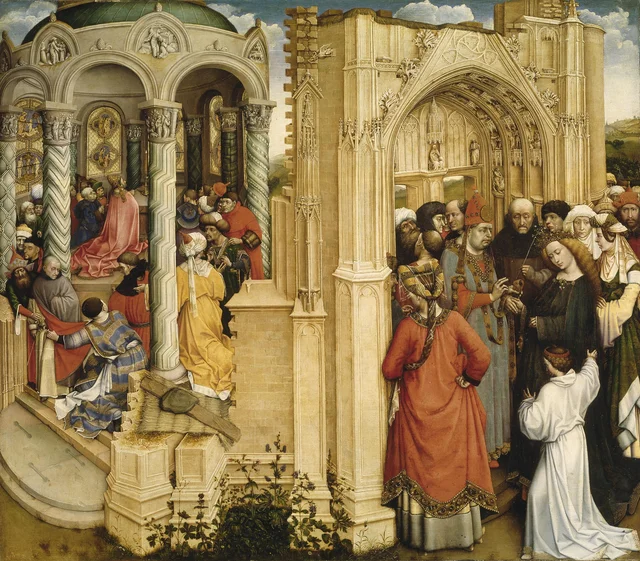
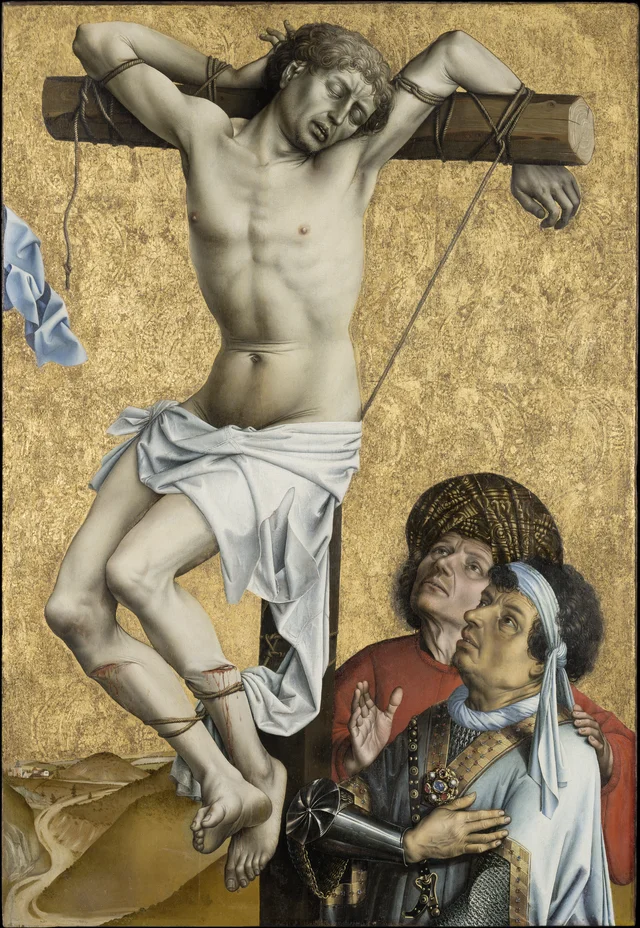
For a long time some of the most tender early Netherlandish paintings had no name attached to them, only a workshop label: the Master of Flemalle, after panels once thought to come from an abbey at Flemalle. Sharp-eyed, homely, crowded with everyday objects, they clearly came from a major hand in the city of Tournai around 1420.
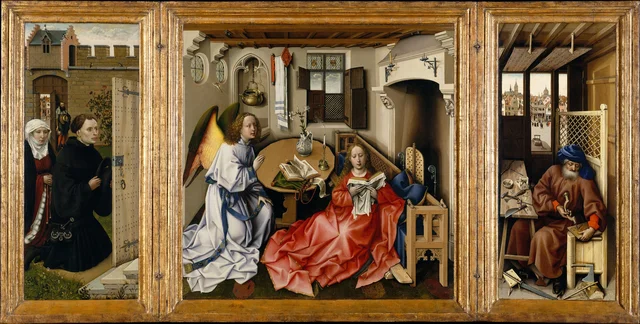
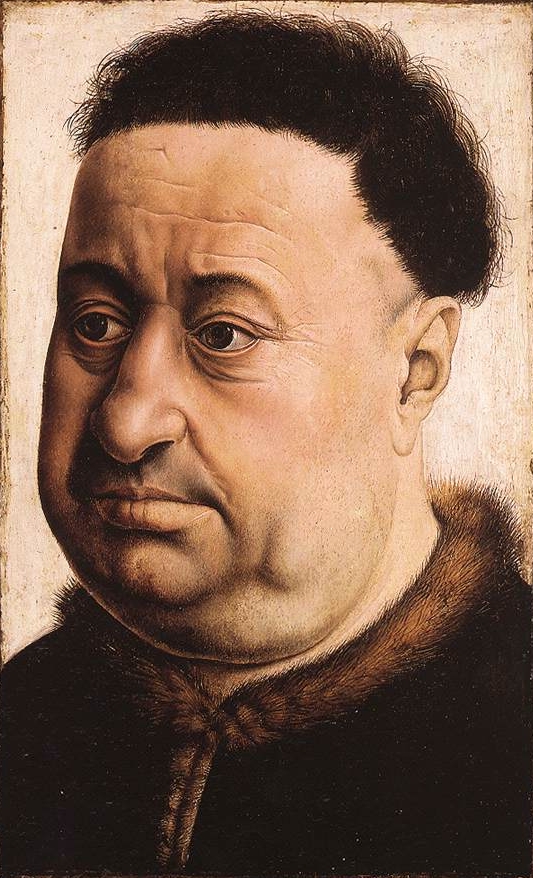
Most scholars now believe that hand belonged to Robert Campin, a prosperous Tournai master documented in the records, though the identification rests on reasoning rather than a signature, and a few still hold the two apart. Under either name, the pictures are landmarks. The Merode Altarpiece sets the Annunciation not in heaven but in a plain Flemish room, with a brass pot, a folded towel, and a candle just blown out.
Campin's workshop trained Rogier van der Weyden, who would carry this new realism across Europe. His own life ended less tidily. Convicted in a morals case, he was briefly banished before powerful friends softened the sentence, and he died in Tournai in 1444.