Robert Lefèvre
1755–1830 · France · Neoclassicism
The story
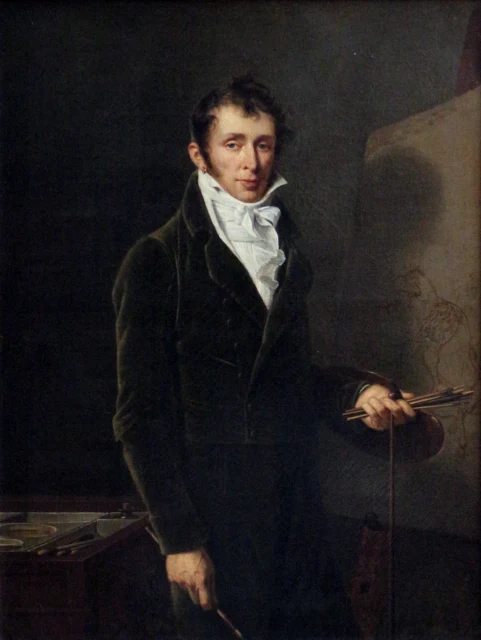
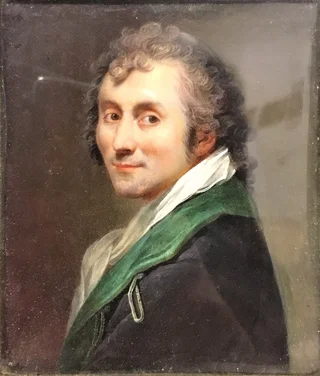
A new empire needs a face, and a great deal of the face the First French Empire wore belonged to Robert Lefèvre. Under the patronage of Vivant Denon, Napoleon's powerful director of museums, Lefèvre turned out around 40 portraits of the emperor, each one slightly different and all from his own hand, to be sent to prefectures and palaces across the enlarged France.
Born in Bayeux in 1755, the son of a bookbinder, he came up in the orbit of Jacques-Louis David, the towering Neoclassical painter of the Revolution and Empire, and made his name with smooth, flattering, brilliantly finished likenesses. He painted the Empress Joséphine, Napoleon's sisters, marshals and ministers, and after the emperor's fall he simply carried on, portraying the restored Bourbon kings with the same polish.
Lefèvre kept working almost to the end of his life. He died in Paris in 1830, in the days of the July Revolution that toppled the last of the kings he had painted.