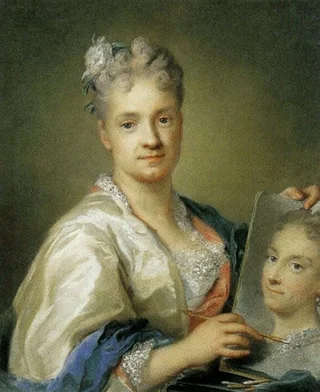
Rosalba Carriera
1673–1757 · Republic of Venice · Rococo
The story
Rosalba Carriera turned pastel, until then thought of as a minor medium for sketches, into a fashionable art for finished portraits, and became one of the most celebrated painters in Europe as a woman working in a field almost entirely male. Her chalk portraits are soft, silvery, and flattering, catching the powdered, light-filled look the age wanted of itself.
In 1720 she travelled to Paris and caused a sensation. The regent's court and the whole fashionable city sat for her, the banker Pierre Crozat hosted her, and the French Academy made her a member. She did the same in Venice, Vienna, and beyond, working faster and cheaper than an oil painter and never short of sitters.
She helped set off the Rococo taste for delicate, intimate portraiture that ran through the century. Her last years were dark in the plainest sense, as her eyesight failed and she went blind, unable to work, in the Venice where she had started.
Works
15 works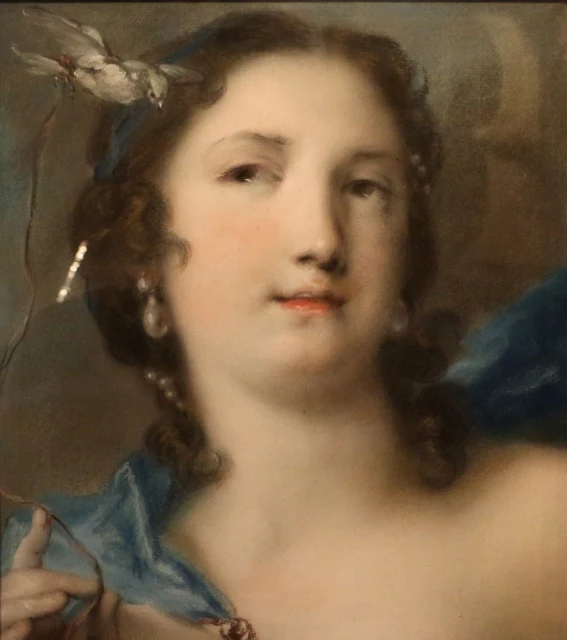 Air (The Four Elements)Rosalba Carriera, 1742
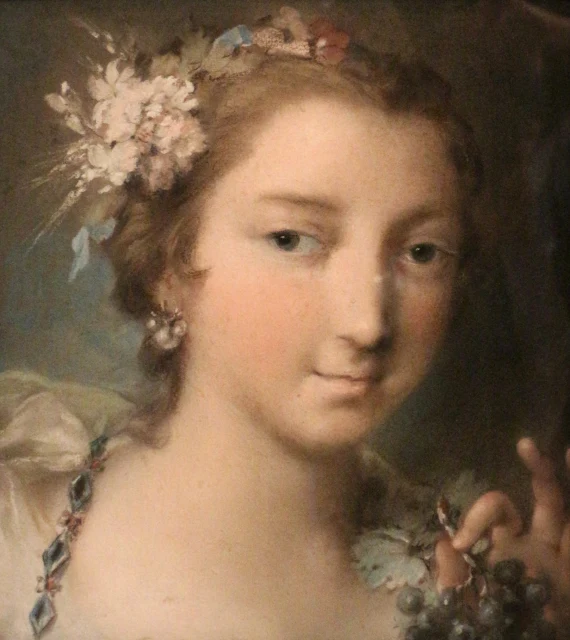 Earth (The Four Elements)Rosalba Carriera, 1742
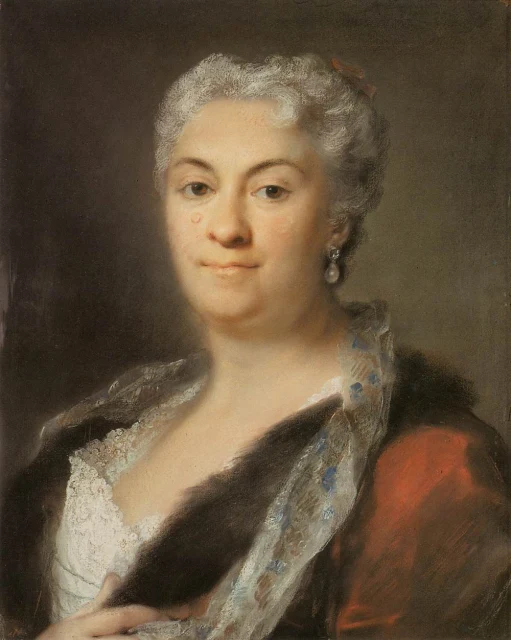 Elderly LadyRosalba Carriera, 1740
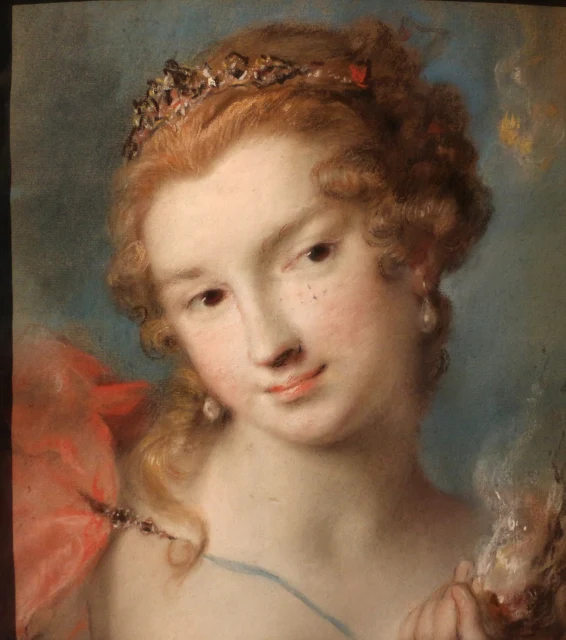 Fire (The Four Elements)Rosalba Carriera, 1742
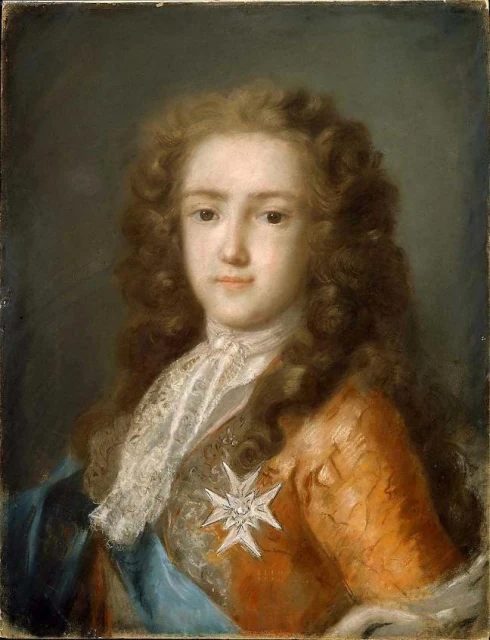 Louis XV as a Young ManRosalba Carriera
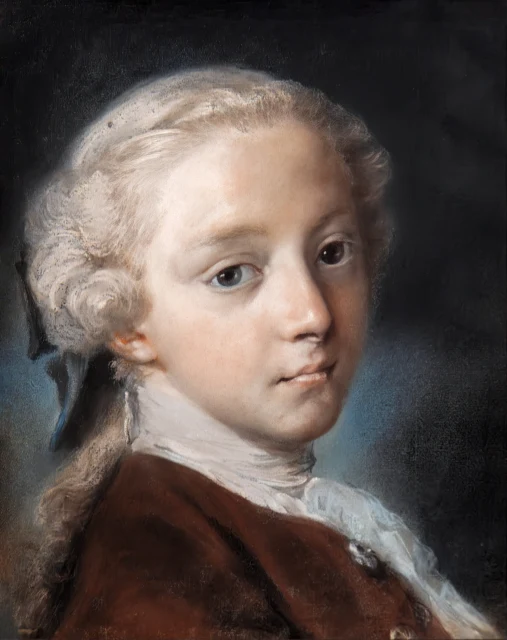 Portrait of a boyRosalba Carriera, 1726
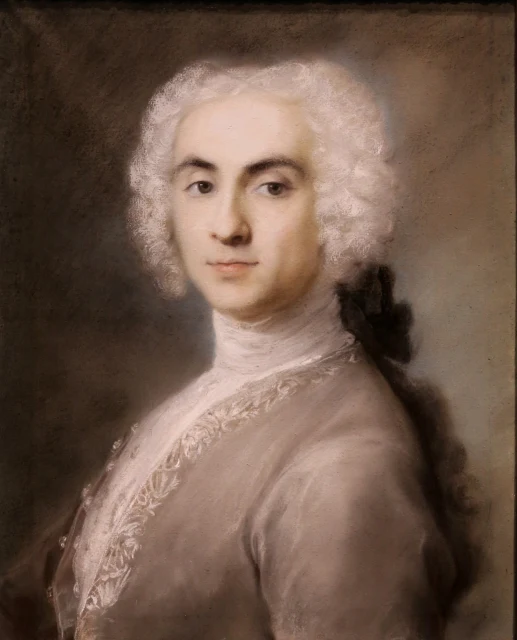 Portrait of a ManRosalba Carriera, 1725
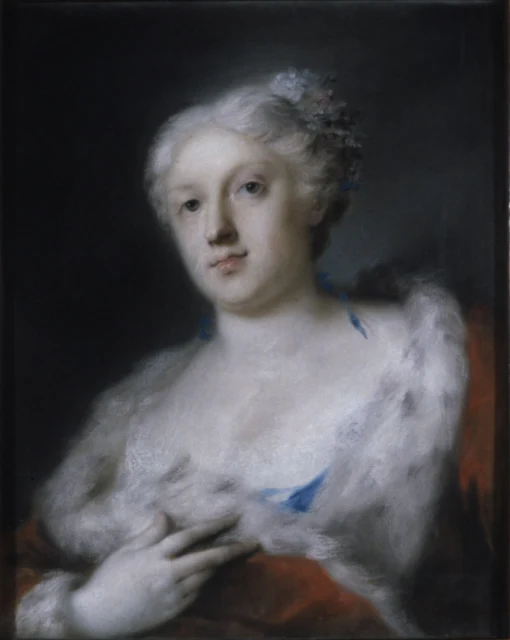 Portrait of a WomanRosalba Carriera, 1720
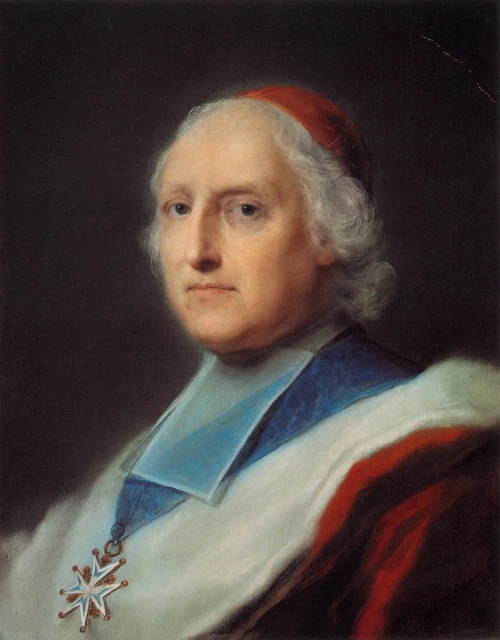 Portrait of Cardinal Melchior de PolignacRosalba Carriera, 1732
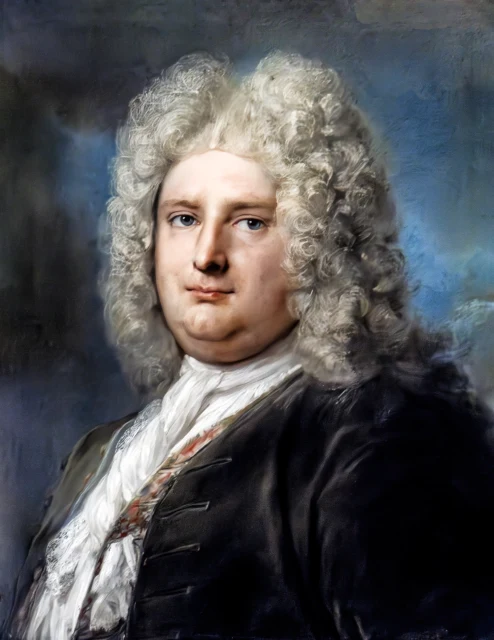 Portrait of the French Consul Le BlondRosalba Carriera, 1727
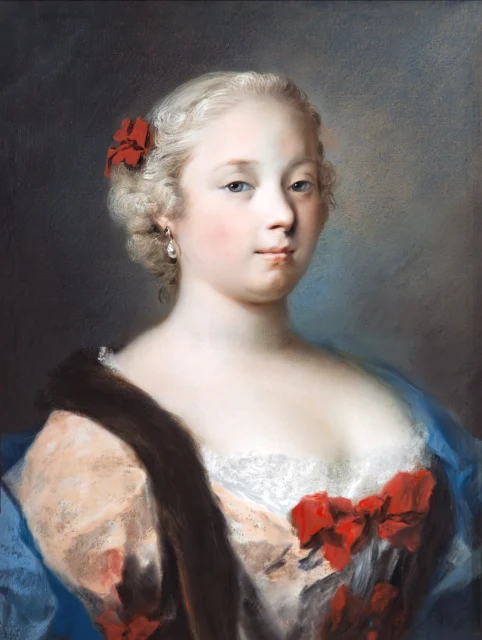 Portrait of young womanRosalba Carriera
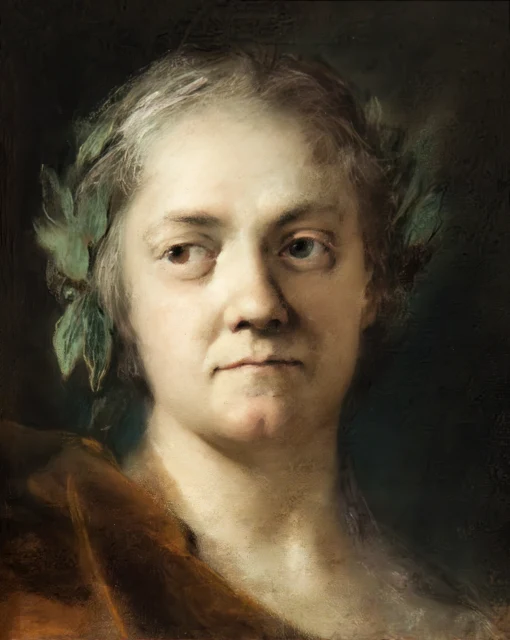 Self-portraitRosalba Carriera, 1746
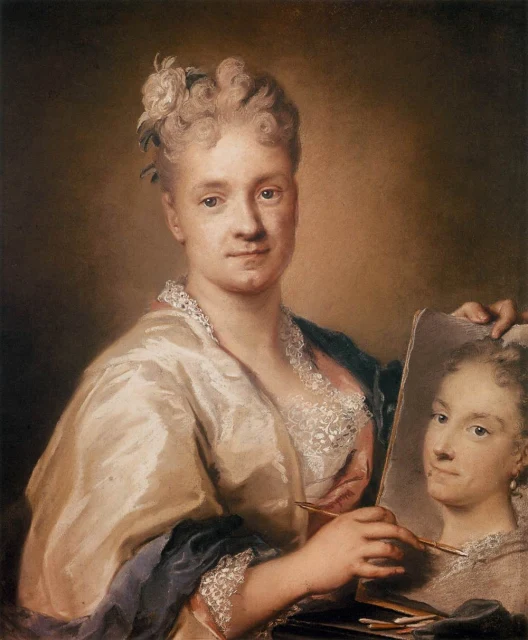 Self-portrait holding a portrait of her sisterRosalba Carriera, 1715
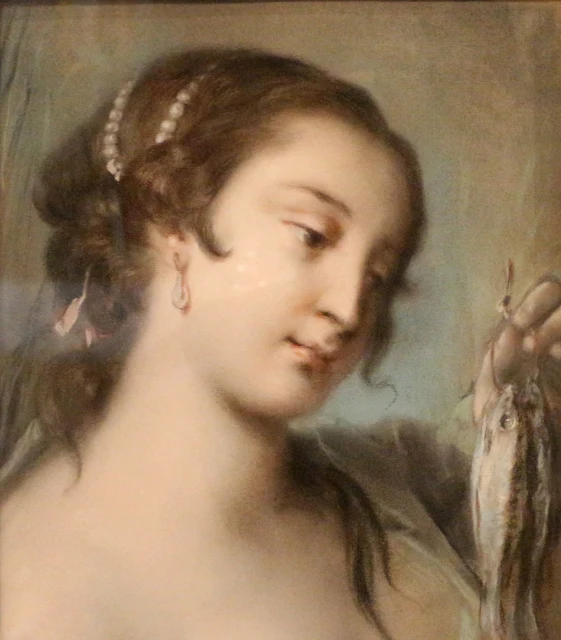 Water (The Four Elements)Rosalba Carriera, 1742
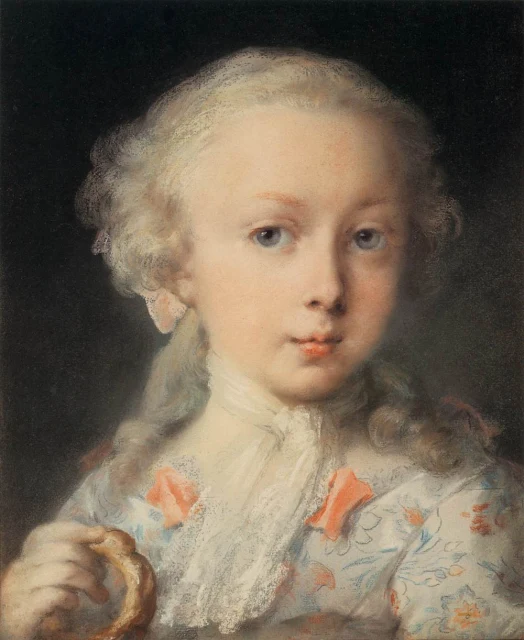 Young Lady of the Le Blond FamilyRosalba Carriera, 1730