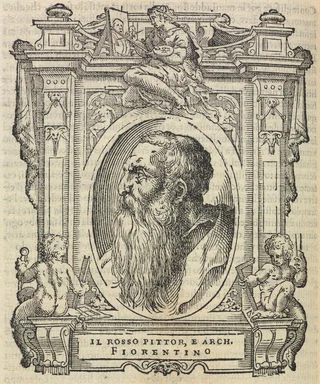
Rosso Fiorentino
1494–1540 · Republic of Florence · Mannerism
The story
Rosso Fiorentino, the redheaded Florentine, was one of the painters who broke early with the calm balance of the High Renaissance. His Deposition of 1521 in the Tuscan town of Volterra is all sharp angles, acid pinks and greens, and figures perched on spindly ladders, grief pushed into something jagged and almost modern-looking.
For years he moved around Italy scraping a living, and he was in Rome when imperial troops sacked the city in 1527, an experience that left him briefly destitute. Then his luck turned completely. In 1530 the French king Francis I brought him north to decorate the palace of Fontainebleau.
There Rosso became the leading artist of the French court, inventing with Francesco Primaticcio a new style of painted panels framed in sculpted plaster and elaborate strapwork. That Fontainebleau manner spread across northern Europe through prints. He died in France in 1540, having exported the Italian Mannerism he had helped invent.
Works
17 works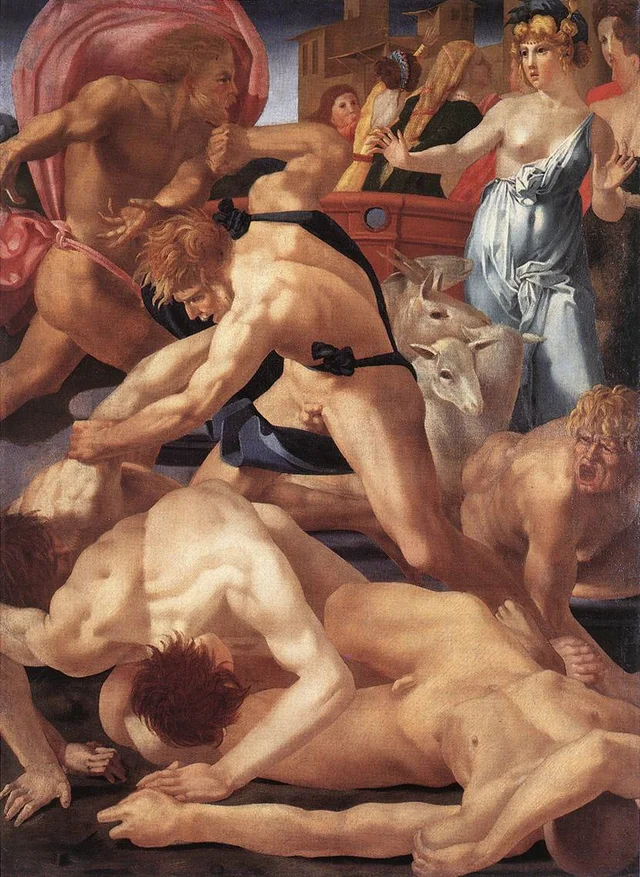 Moses Defending the Daughters of JethroRosso Fiorentino, 1523
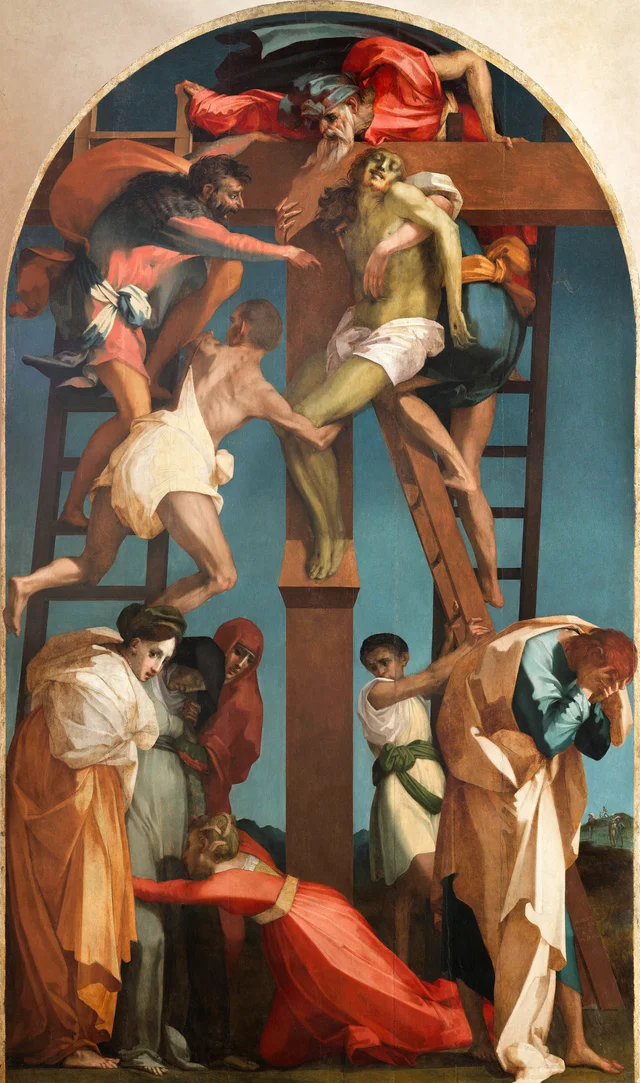 Descent from the CrossRosso Fiorentino, 1521
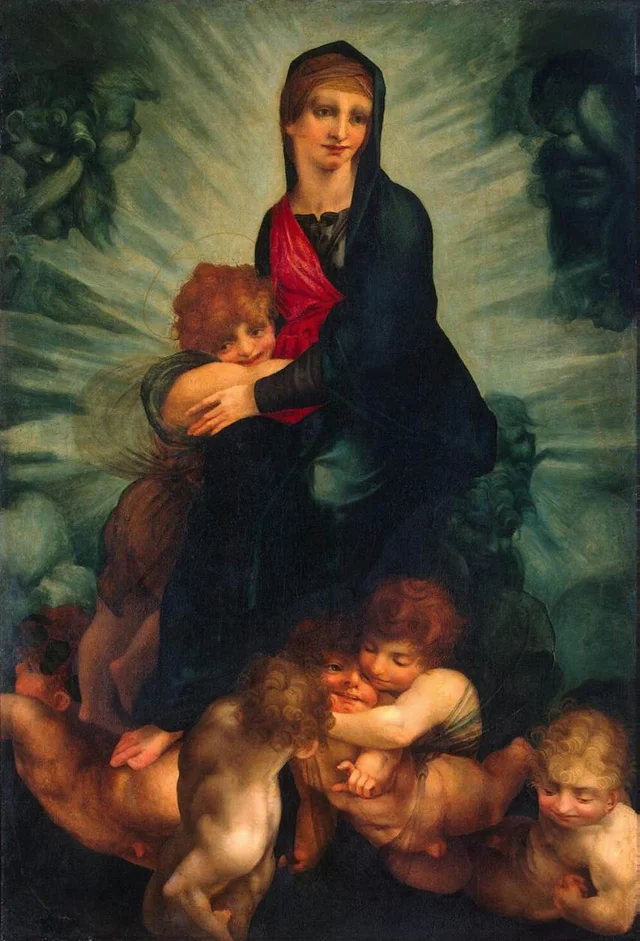 Madonna and Child with CherubsRosso Fiorentino, 1517
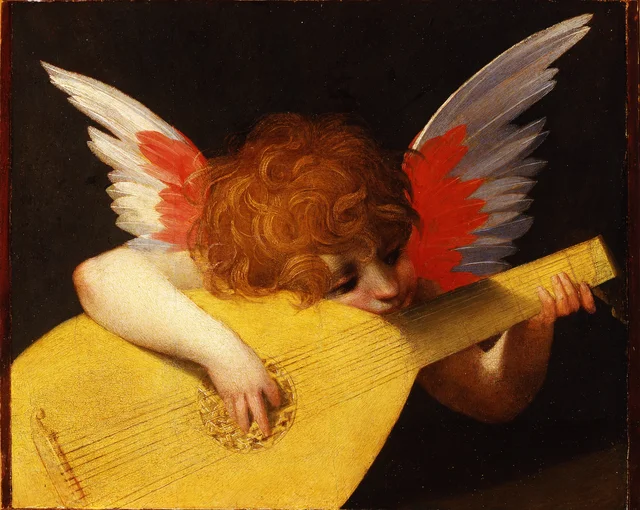 Angel Playing the LuteRosso Fiorentino, 1521
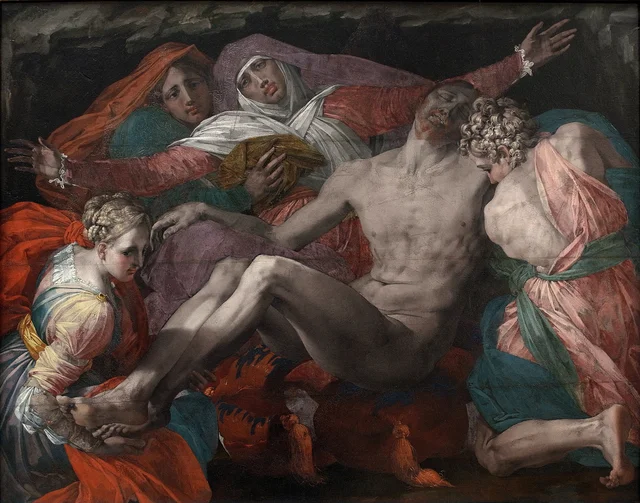 PietàRosso Fiorentino, 1536
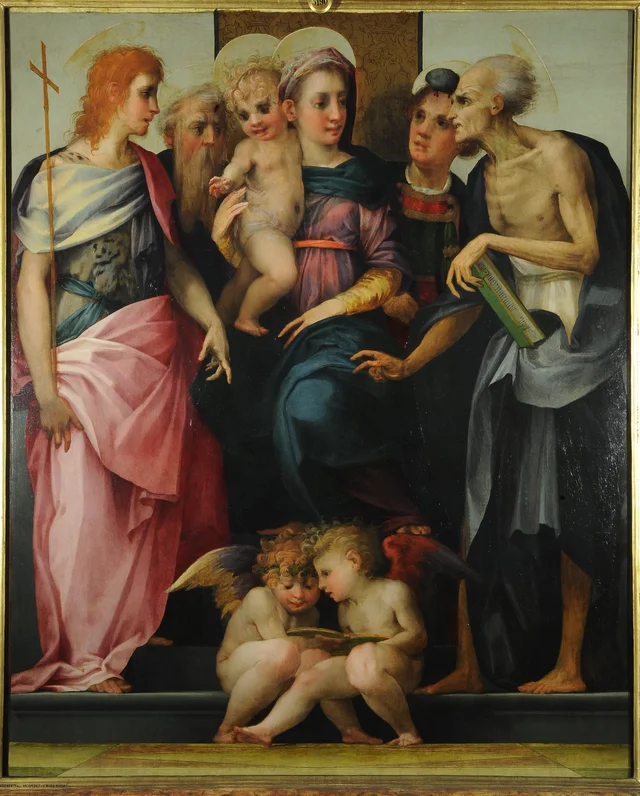 Sacred conversation with musical angelsRosso Fiorentino, 1518
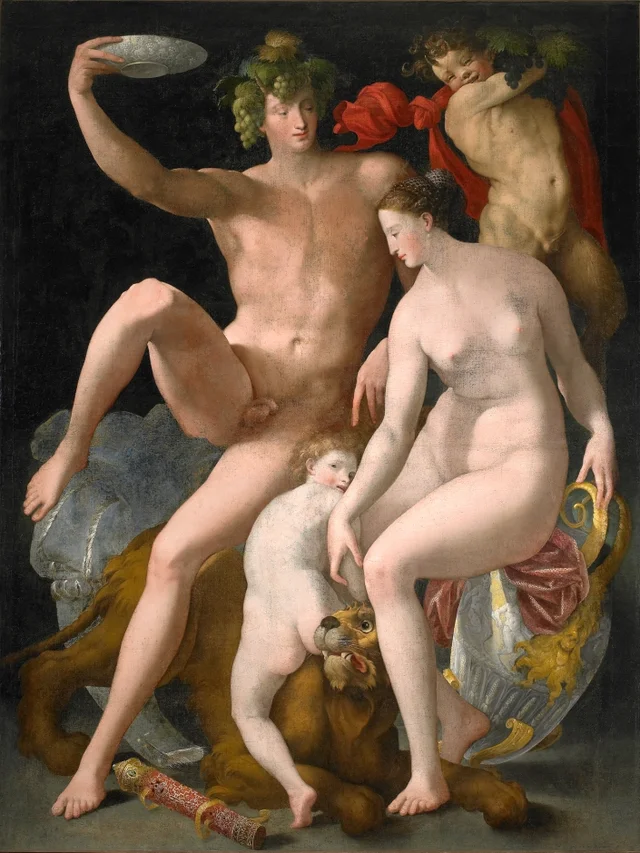 Bacchus, Venus and CupidRosso Fiorentino, 1531
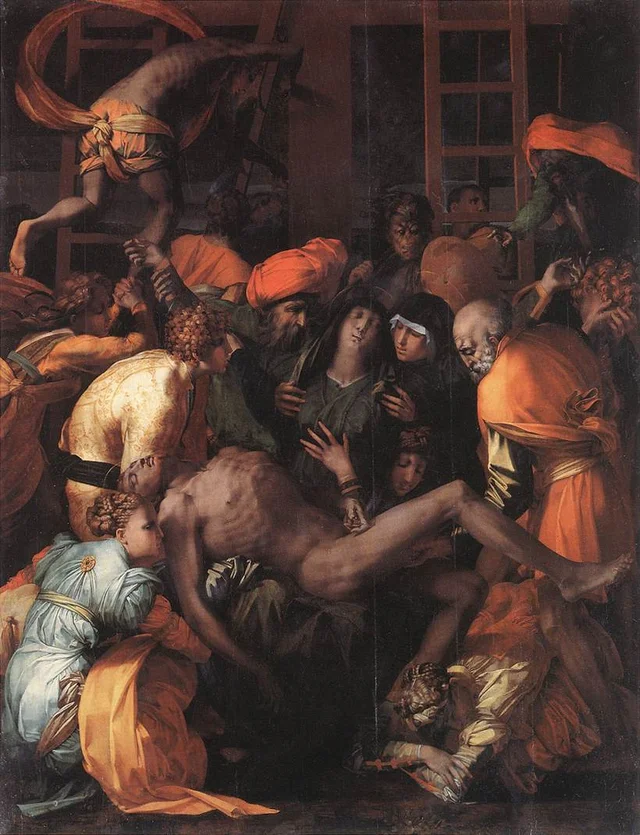 Deposition from the CrossRosso Fiorentino, 1528
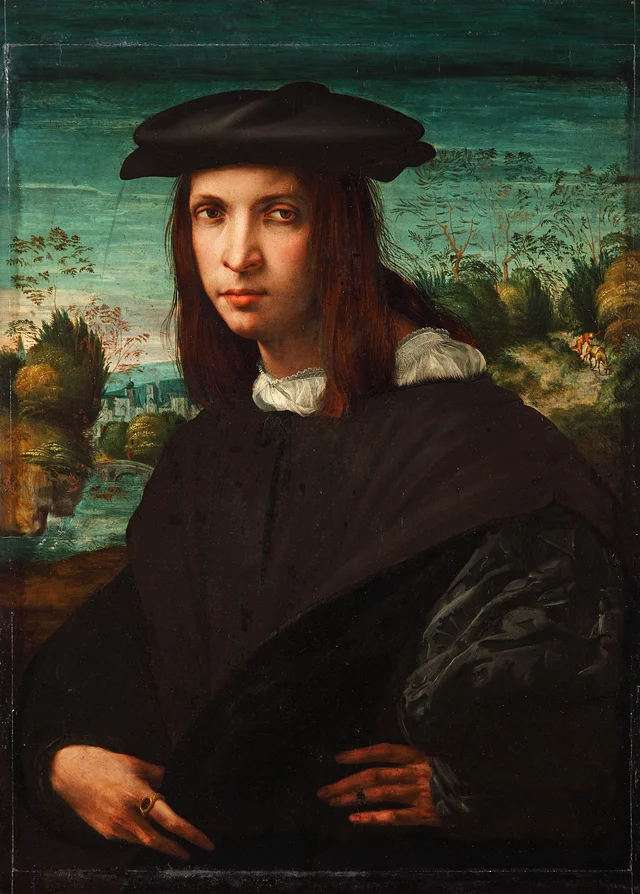 Portrait of a Young ManRosso Fiorentino, 1517
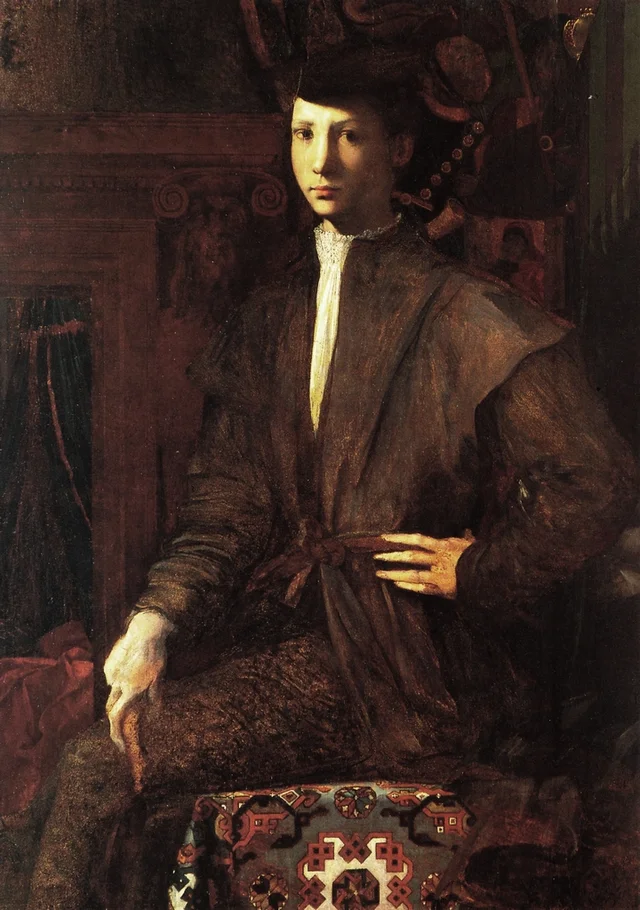 Portrait of a Young Man Seated on a CarpetRosso Fiorentino, 1525
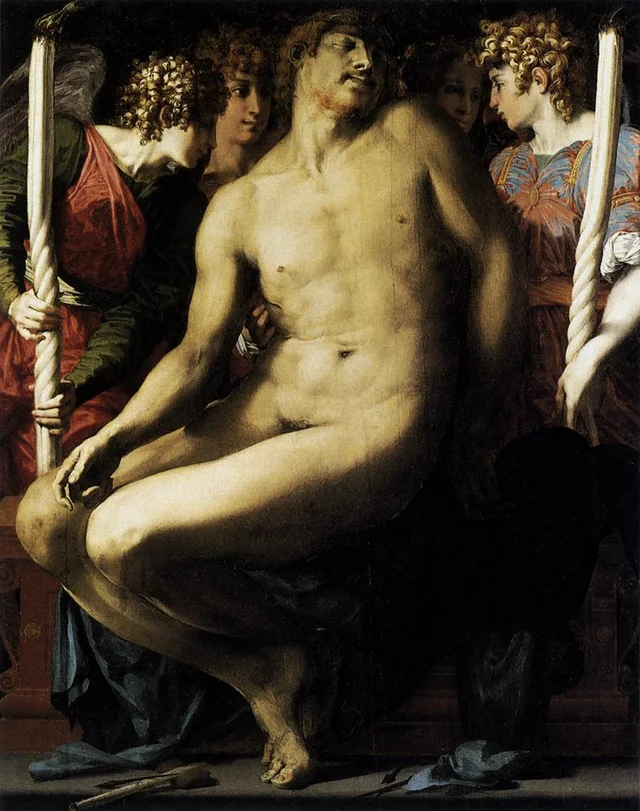 The Dead Christ with AngelsRosso Fiorentino, 1525
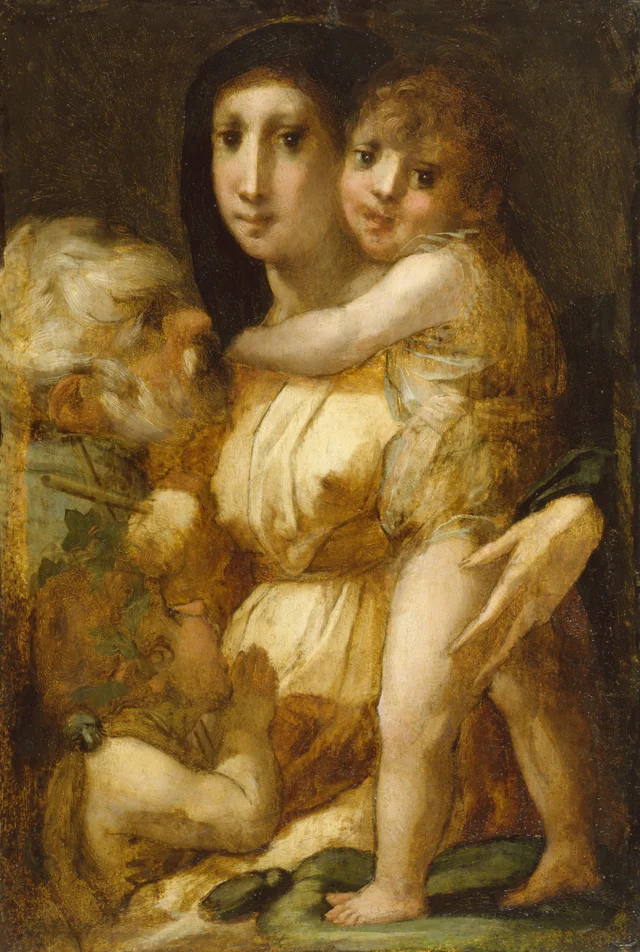 The Holy Family with the Infant Saint John the BaptistRosso Fiorentino, 1521
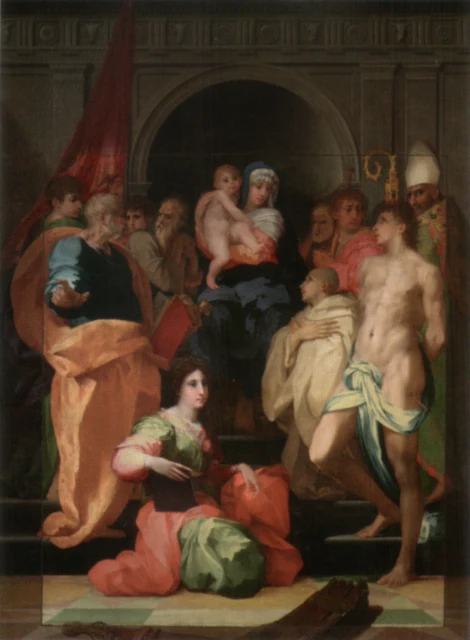 Dei AltarpieceRosso Fiorentino, 1522
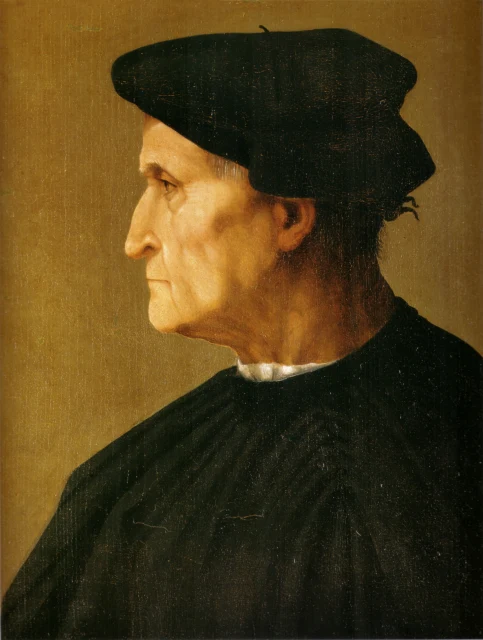 Portrait of a Man in BlackRosso Fiorentino, 1521
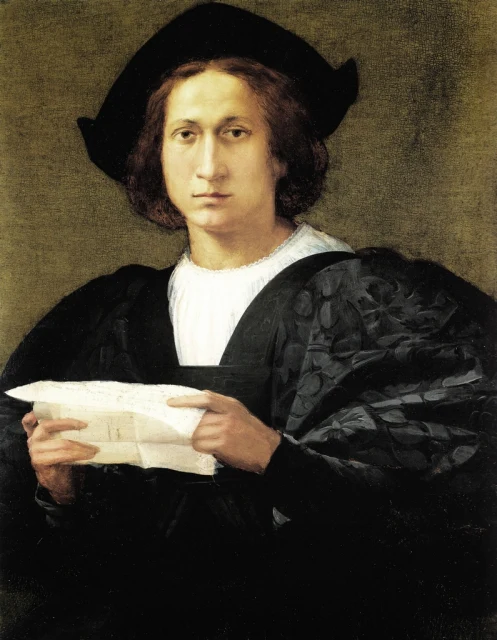 Portrait of a Young Man holding a LetterRosso Fiorentino, 1518
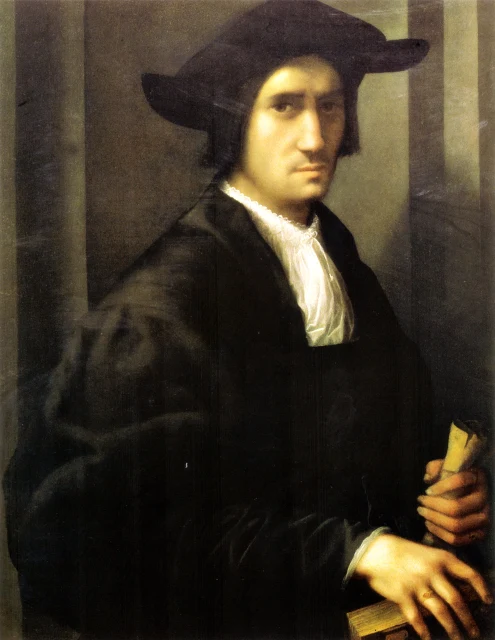 Portrait of a Young Man in BlackRosso Fiorentino, 1520
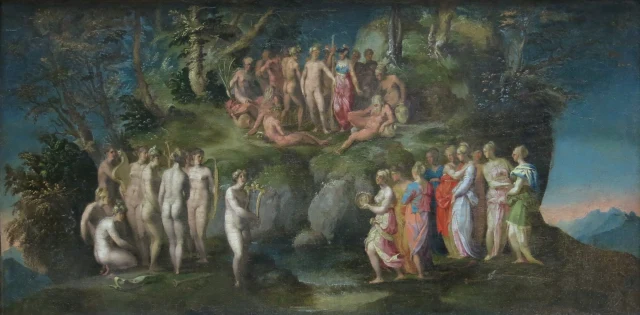 The Challenge of the PieridesRosso Fiorentino, 1525