Rueland Frueauf the Elder
1440–1507 · Holy Roman Empire · Late Gothic
The story
In 1484 the city council of Salzburg called in Rueland Frueauf to judge the plans for a new high altar in the town's parish church. The commission itself went to Michael Pacher, the Tyrolean painter and woodcarver. Frueauf is documented in Salzburg from 1470, when the Benedictine abbey of St Peter paid him for work, and he later ran a workshop in Passau, the bishop's city on the Danube, where he held citizenship.
His main surviving work came a few years after that meeting. Around 1490 and 1491 he painted eight large panels for a Salzburg church, scenes from the life of the Virgin and the Passion of Christ, each about 2 metres tall and 1.35 metres wide, on spruce. All eight are now in the Belvedere in Vienna, among them the Flagellation, the Carrying of the Cross and the Crucifixion. After a long restoration the museum showed them together in 2017 and 2018, with the first monograph on the painter in more than 70 years.
The Belvedere also holds his portrait of a man whom archival research has identified as Jobst Seyfrid, a fellow painter in Passau. Frueauf died in Passau in 1507, and his son, Rueland Frueauf the Younger, became a painter as well.
Works
9 works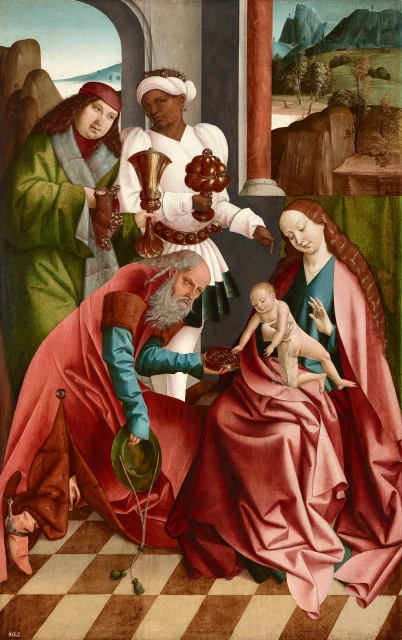 Adoration of the MagiRueland Frueauf the Elder, 1490
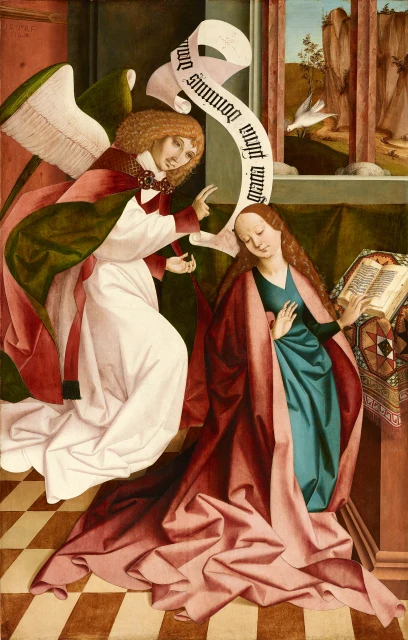 Annunciation to MaryRueland Frueauf the Elder, 1490
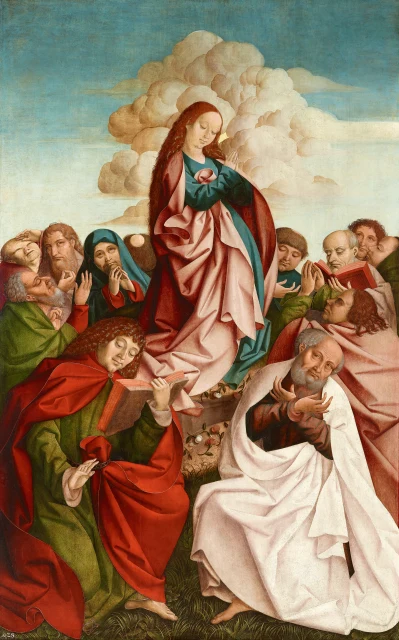 Assumption of MaryRueland Frueauf the Elder, 1490
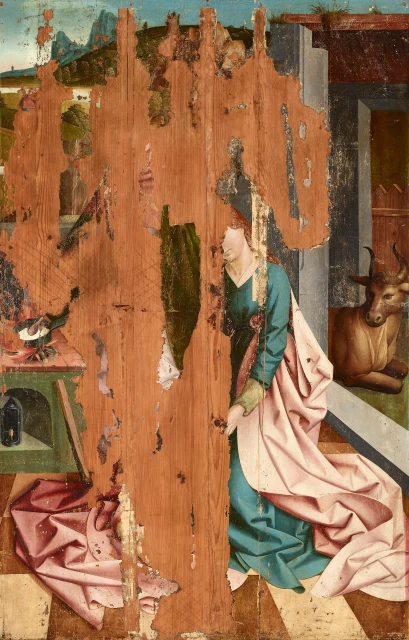 Birth of ChristRueland Frueauf the Elder, 1490
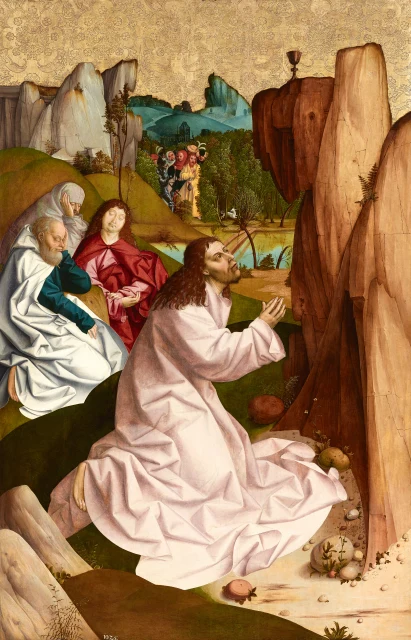 Christ on the Mount of OlivesRueland Frueauf the Elder, 1490
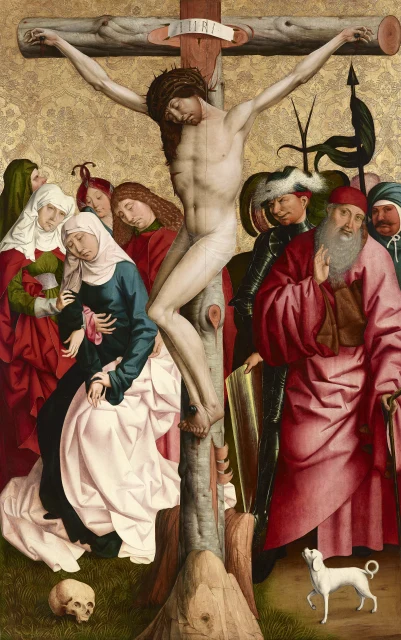 CrucifixionRueland Frueauf the Elder, 1490
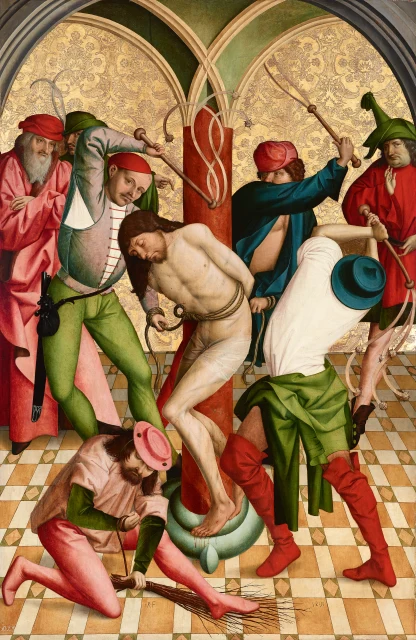 Flagellation of ChristRueland Frueauf the Elder, 1491
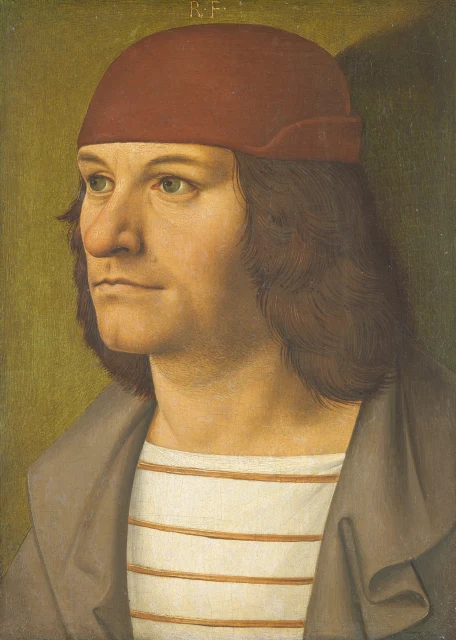 Portrait of the Painter Jobst SeyfridRueland Frueauf the Elder, 1490
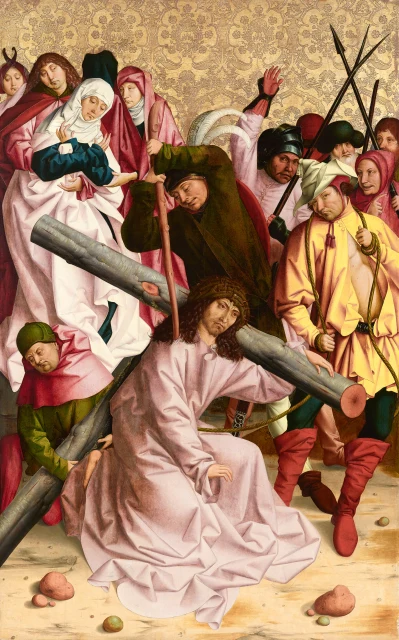 The Carrying of the CrossRueland Frueauf the Elder, 1490