Stanisław Witkiewicz
1851–1915 · Russian Empire · Zakopane Style, Art Nouveau, Polish modernism
The story
In the early 1890s, in the mountain resort of Zakopane in southern Poland, Stanisław Witkiewicz designed a wooden villa called Koliba and, with it, invented a national style. He drew on the carving, steep roofs, and heavy ornament of the Podhale highlanders, the Gorals, rather than the styles then imported from Vienna, and argued that here was a truly Polish architecture. It spread across Zakopane and is still known as the Zakopane Style.
He had come to it late and by a hard road. Born in 1851 in Samogitia, in what is now Lithuania, he was a boy when his family was deported to Tomsk in Siberia as punishment after the failed 1863 uprising against Russian rule. He trained as a painter and first made his name with realist canvases and sharp art criticism.
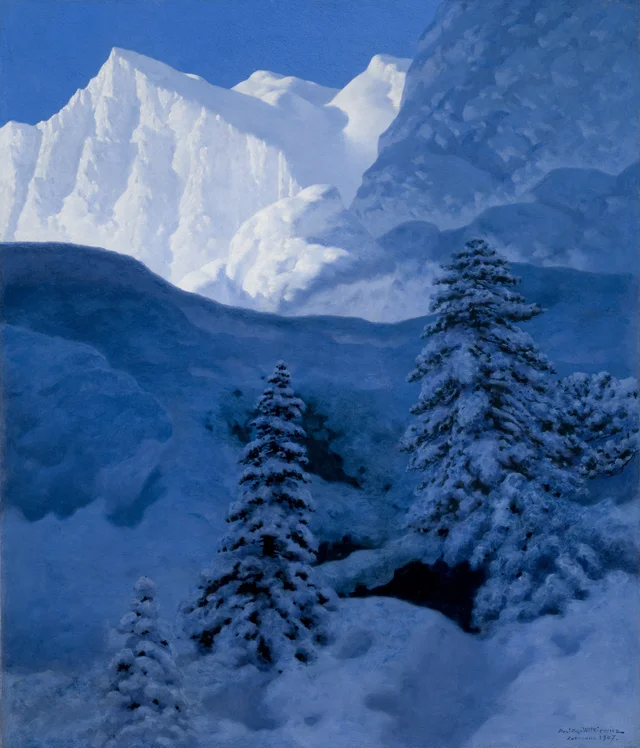
Witkiewicz moved to Zakopane for his health, and the clear Tatra mountain air shaped his later years. His son, Stanisław Ignacy Witkiewicz, known as Witkacy, would become one of Poland's most famous avant-garde writers and painters. Witkiewicz died in 1915 in Lovran, on the Adriatic coast, where he had gone seeking a cure.