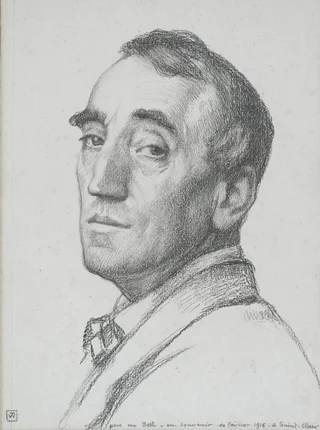
Théo van Rysselberghe
1862–1926 · Belgium · Neo-impressionism
The story
Theo van Rysselberghe helped turn Brussels into a second capital of the avant-garde. In 1883 he was among the founders of Les Vingt, a group of 20 Belgian artists who invited the boldest foreign painters to show with them each year, and it was through them that Georges Seurat's huge dotted canvas of Parisians in a park reached Belgium.
Van Rysselberghe was converted on the spot. He took up the painstaking pointillist method, building portraits and seascapes out of small separate touches of pure color, and became its leading practitioner outside France, close to the painter Paul Signac. In his later years he loosened the dots into a freer, warmer brushwork and moved to the south of France. He died there, near Saint-Clair on the Mediterranean coast, in 1926.
Works
11 works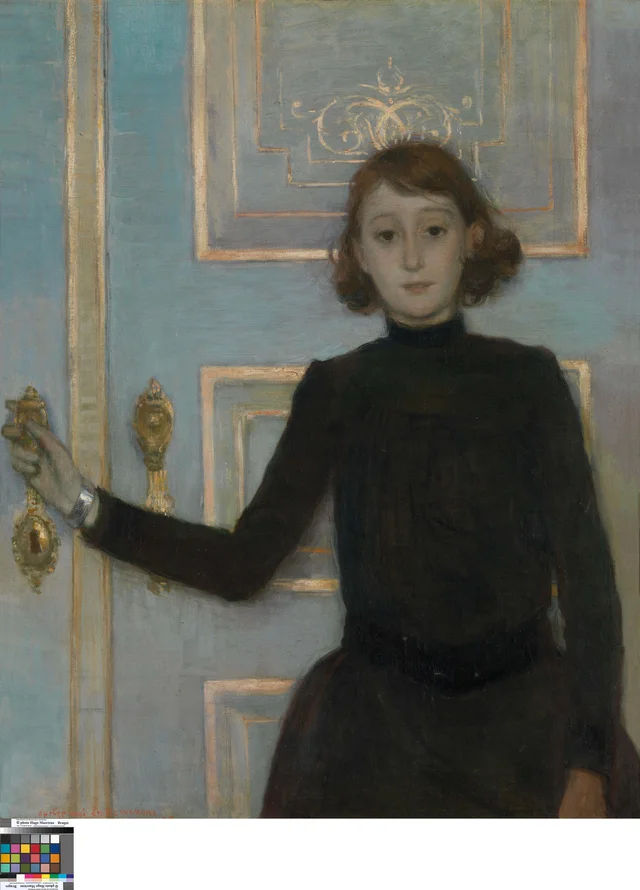 Portrait of Marguerite van MonsThéo van Rysselberghe, 1886
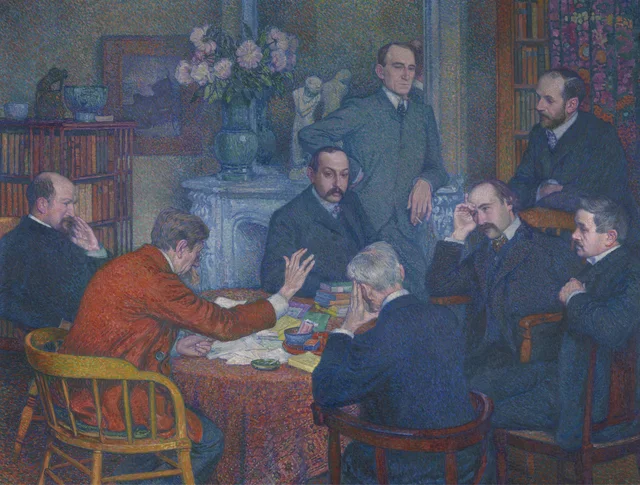 A reading by Emile VerhaerenThéo van Rysselberghe, 1903
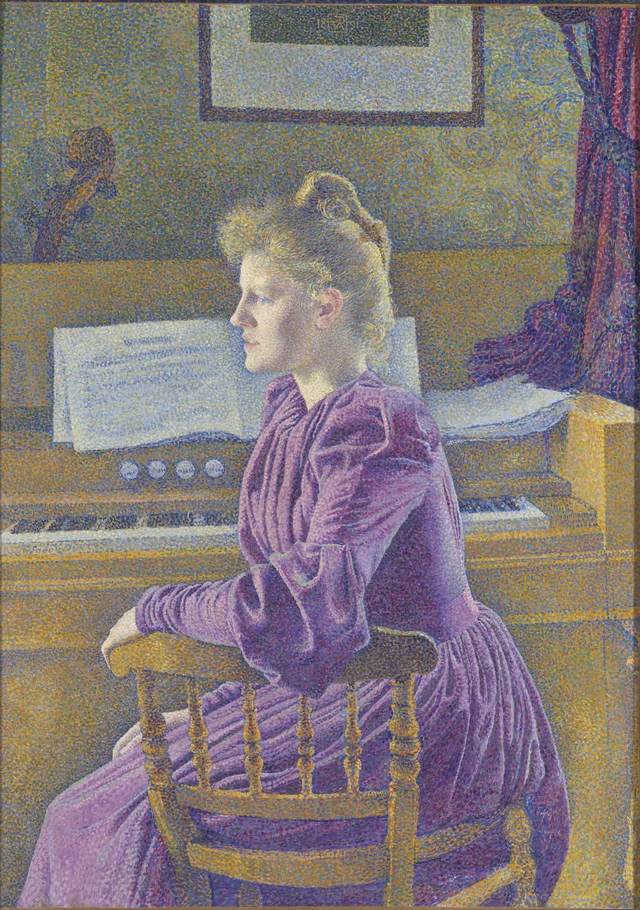 Maria SètheThéo van Rysselberghe, 1891
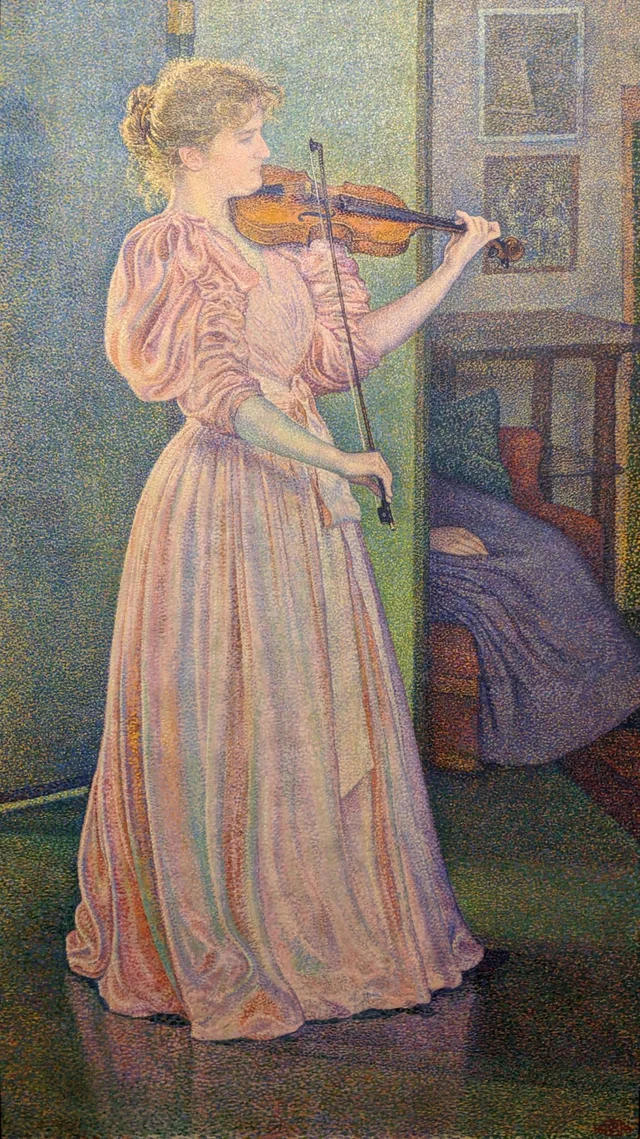 Portrait of Irma SètheThéo van Rysselberghe, 1894
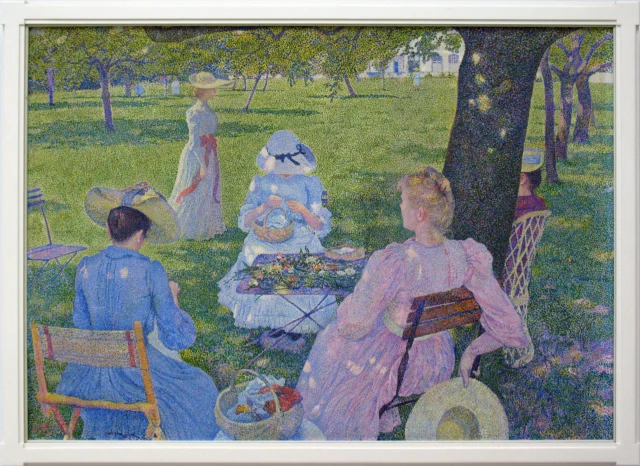 A family gathering in an orchardThéo van Rysselberghe, 1890
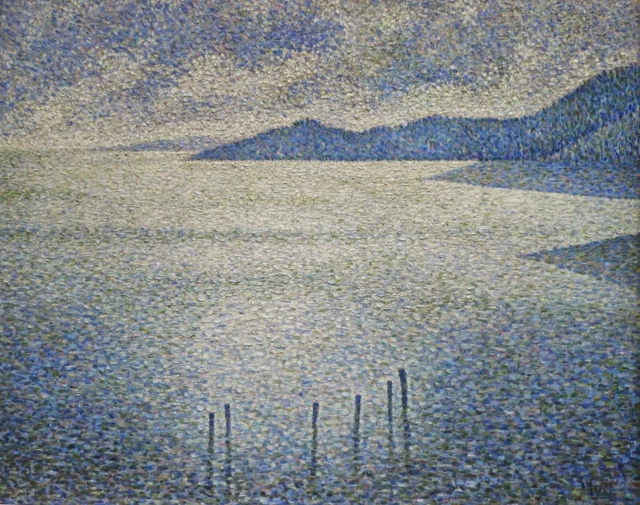 Coastal SceneThéo van Rysselberghe, 1892
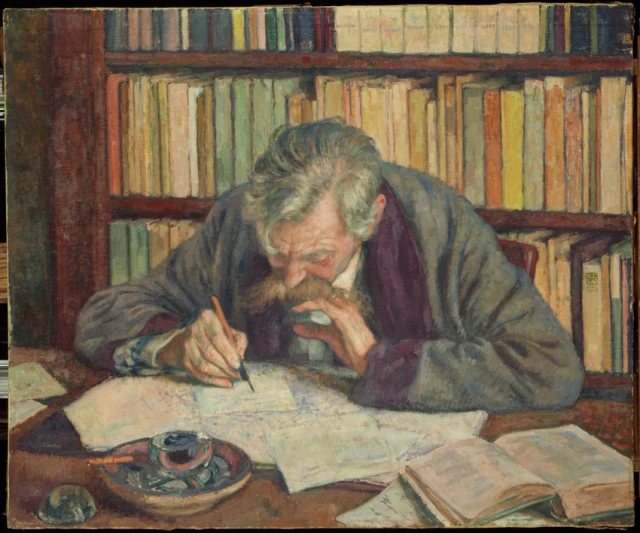 Émile VerhaerenThéo van Rysselberghe, 1915
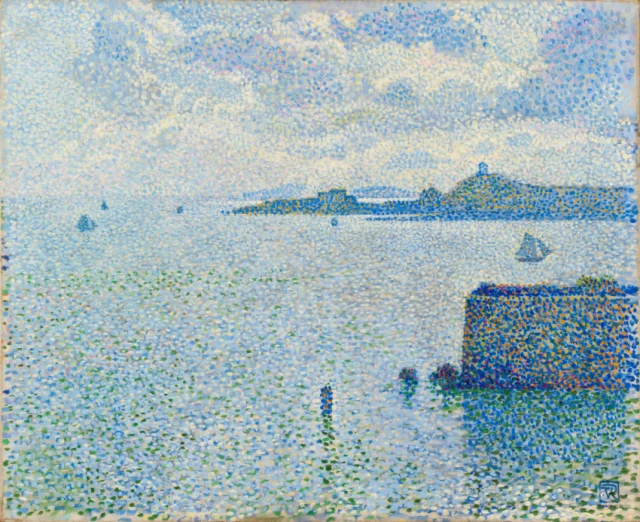 Entrance to the Port of RoscoffThéo van Rysselberghe, 1889
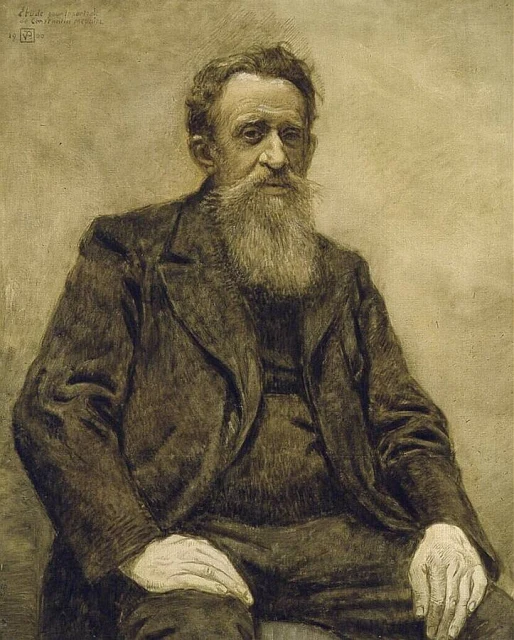 Portrait of Constantin MeunierThéo van Rysselberghe, 1900
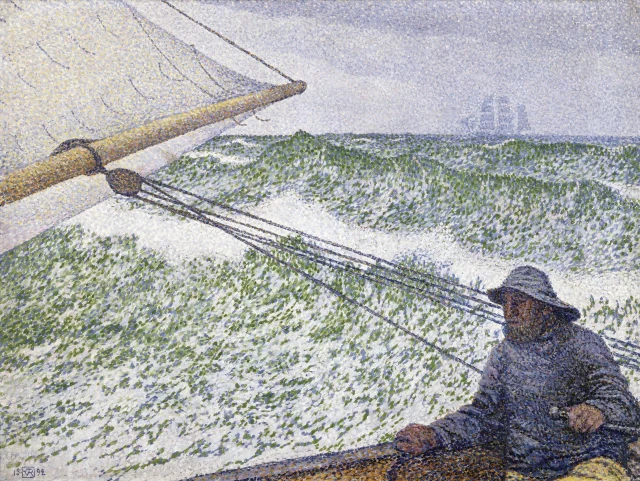 The Man at the HelmThéo van Rysselberghe, 1892
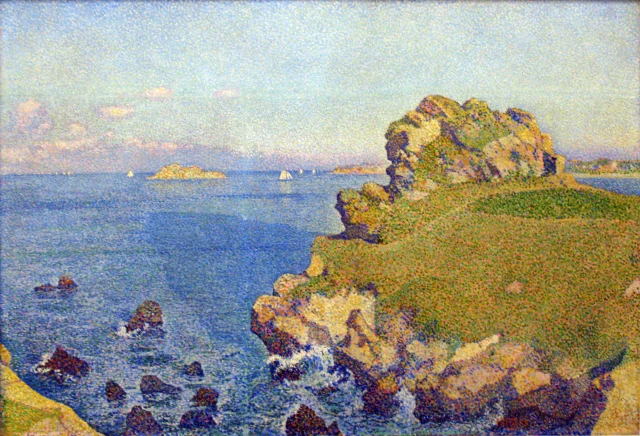 The 'Per-Kiridy' at high tide, 1889Théo van Rysselberghe, 1889