Theodoor van Thulden
1606–1669 · Dutch Republic, Southern Netherlands · Baroque, Flemish Baroque
The story
In April 1635 Antwerp filled its streets with wooden triumphal arches and stages to welcome a new governor, the Cardinal-Infante Ferdinand, a brother of the king of Spain. Rubens designed the whole route and Theodoor van Thulden was one of the painters who carried it out. He also etched the plates for the book that recorded the arches, which is how the scheme is known now, since the structures themselves were temporary and came down.
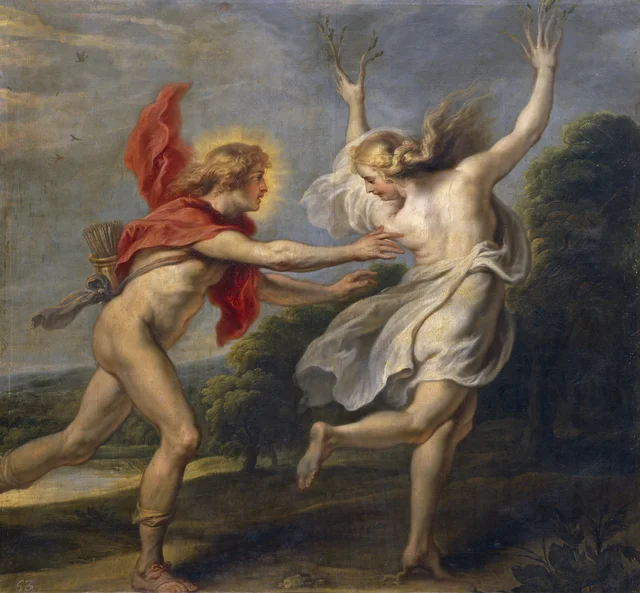
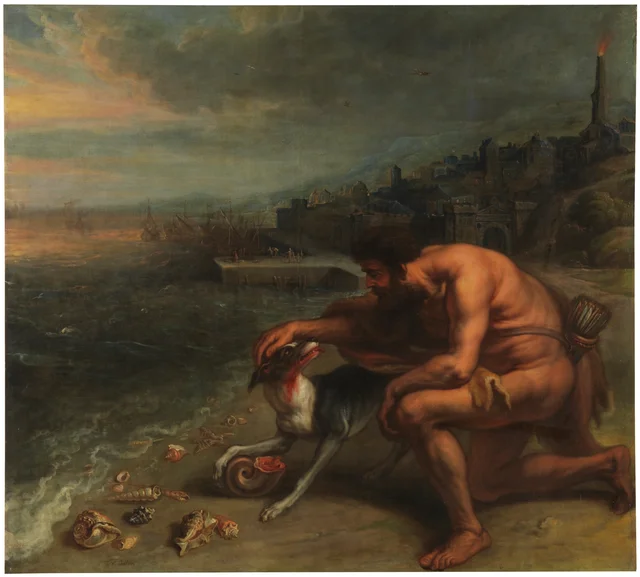
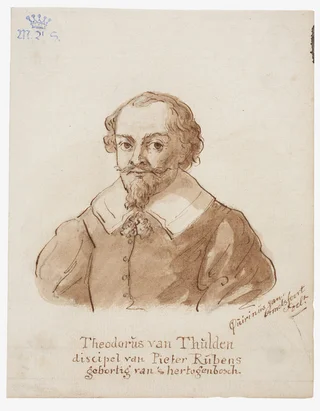
Van Thulden came from 's-Hertogenbosch, a Catholic town that a Dutch army had taken from Spain in 1629, six years before that entry, and he spent his career working on both sides of that border. From Rubens's designs he painted mythological canvases for the Torre de la Parada, the hunting lodge of Philip IV of Spain outside Madrid. Around 1650 he was at work in the Oranjezaal, the memorial hall near The Hague that the widow of the Dutch stadholder Frederick Henry was having decorated for her late husband.
Between those commissions he painted allegories for the town hall of his own city, and he died there in July 1669.