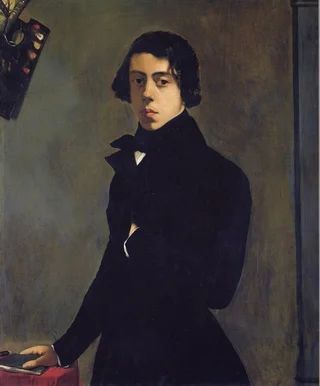
Théodore Chassériau
1819–1856 · France · Romanticism
The story
At eleven years old, in 1830, a boy from the Caribbean was taken into the Paris studio of Jean-Auguste-Dominique Ingres, the strict master of classical line, and quickly became his favourite pupil. Théodore Chassériau had been born in 1819 in Samaná, in what is now the Dominican Republic, and brought to France as a small child.
Ingres expected him to carry the pure-drawing tradition forward. Then Ingres left for Rome in 1834, and the teenager fell under the spell of Eugène Delacroix, leader of the rival Romantics, with his heat and colour. Chassériau spent the rest of his short career trying to hold both at once, Ingres's precise line wrapped around Delacroix's warmth, and that mix became his signature. You can see it in the Two Sisters of 1843, in the Louvre, where his own sisters stand stiff and linear yet glow with deep reds and golds.
A trip to Algeria in 1846 filled his later work with Orientalist subjects. His largest undertaking was a set of murals for the grand staircase of the Cour des Comptes, a government audit court in Paris, finished in 1848. A fire during the Commune uprising of 1871 destroyed most of them. The surviving fragments are now in the Louvre. Chassériau himself was long gone by then, dead in Paris in 1856 at just 37.
Works
14 works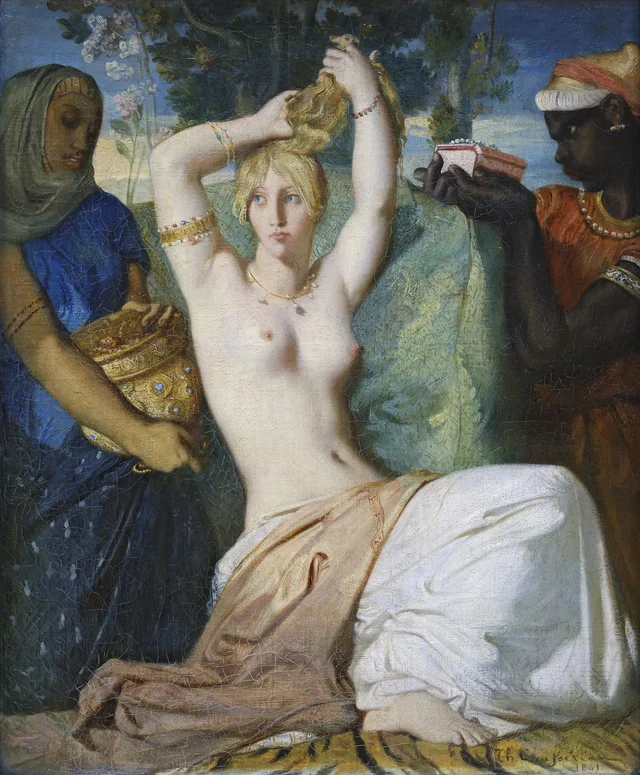 The Toilette of EstherThéodore Chassériau, 1841
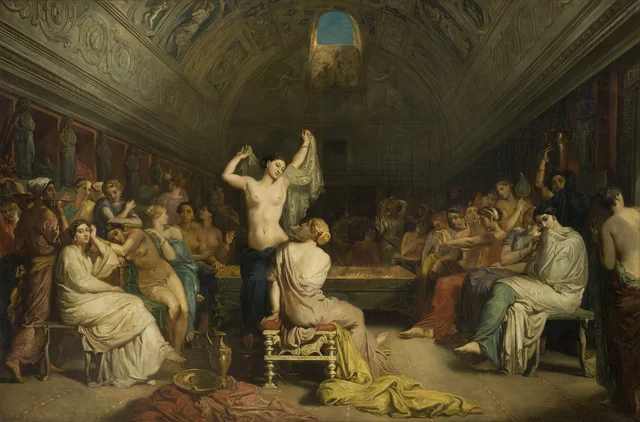 The TepidariumThéodore Chassériau, 1853
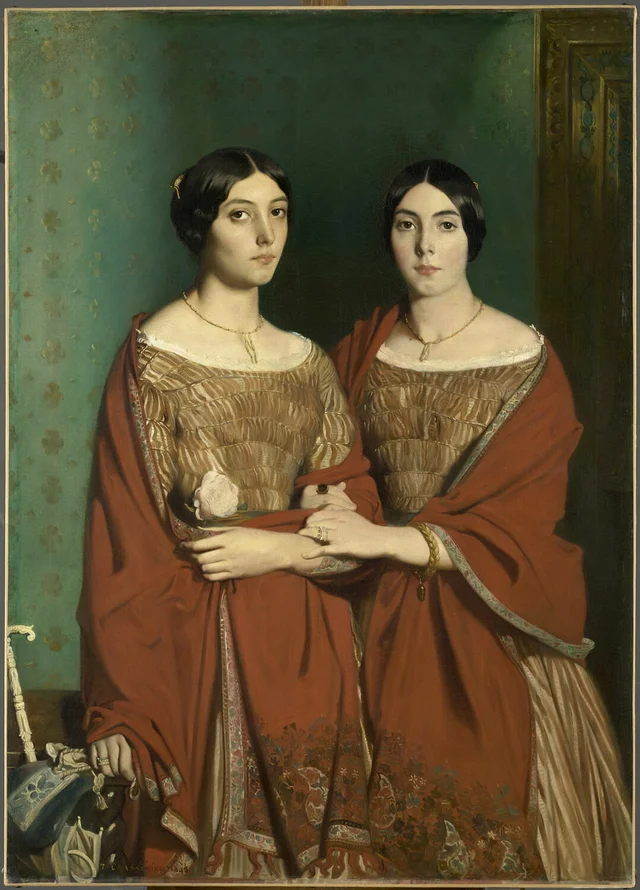 The Two SistersThéodore Chassériau, 1843
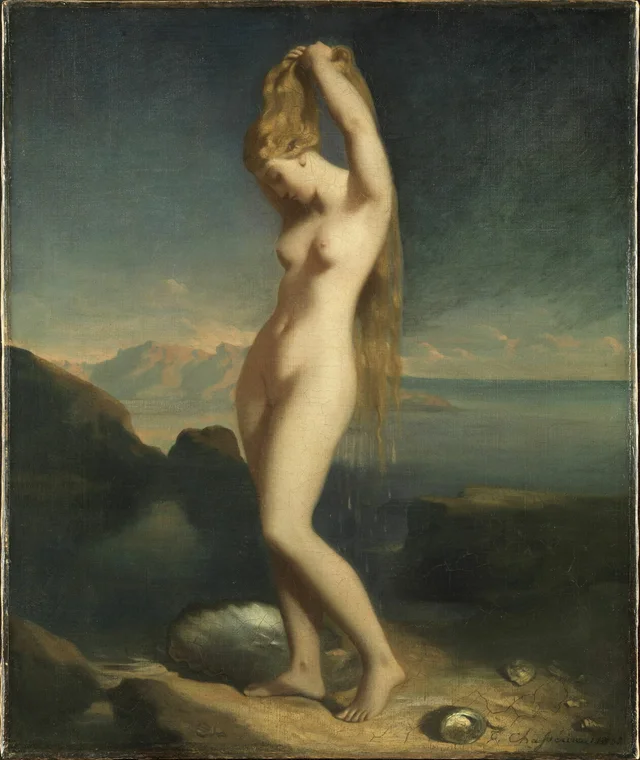 Venus of the seaThéodore Chassériau, 1838
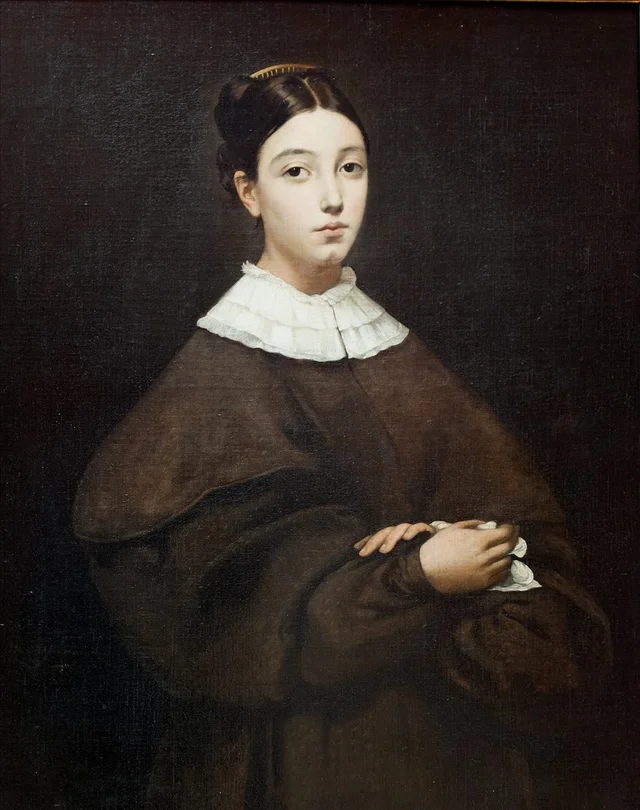 Aline ChassériauThéodore Chassériau, 1835
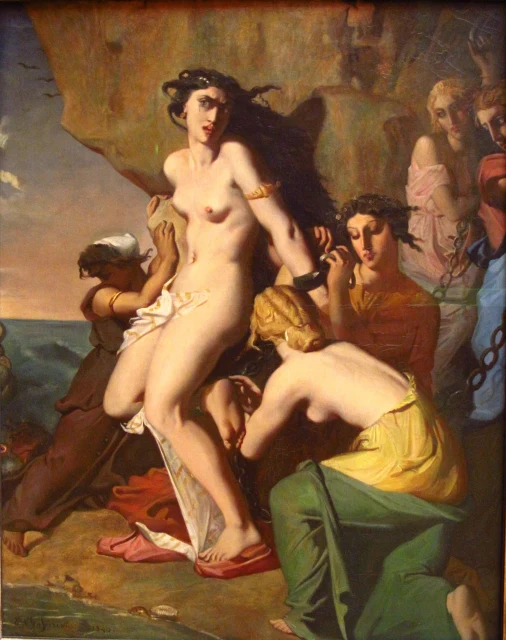 Andromeda Chained to the Rock by the NereidsThéodore Chassériau, 1840
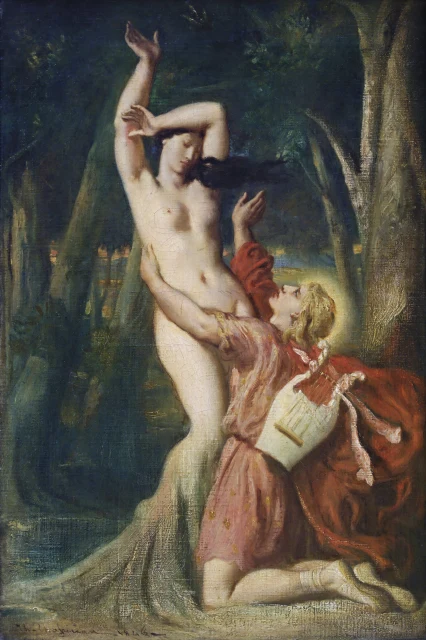 Apollo and DaphneThéodore Chassériau, 1844
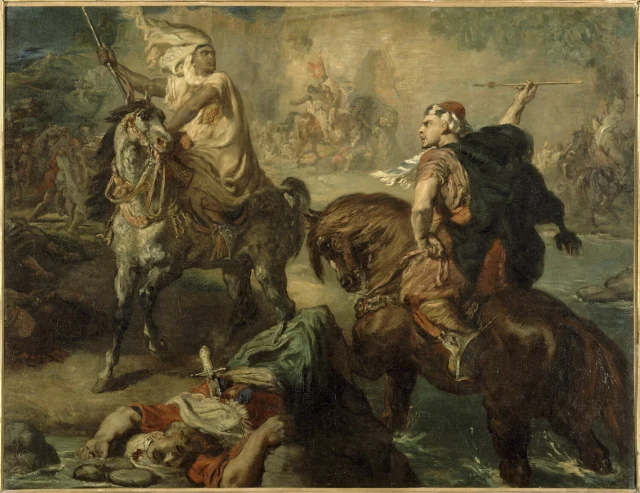 Arab Chiefs Challenging Each Other to Single Combat under the Ramparts of a CityThéodore Chassériau, 1852
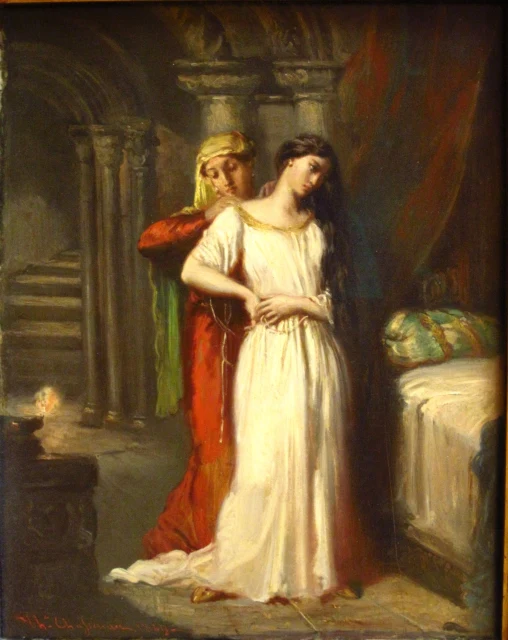 Desdemona Retiring to BedThéodore Chassériau, 1849
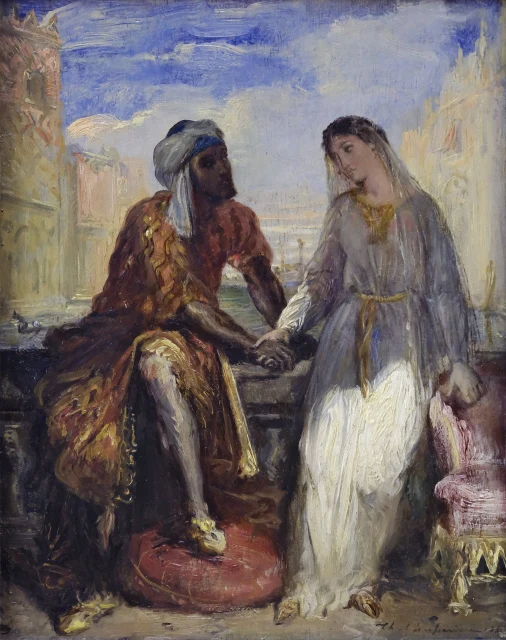 Othello and Desdemona in VeniceThéodore Chassériau, 1850
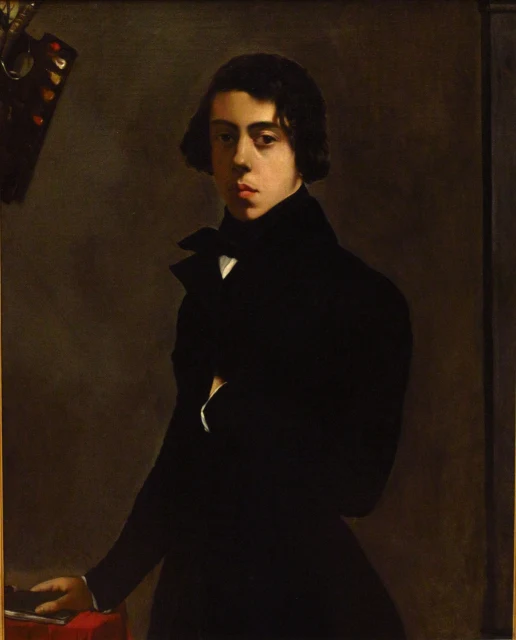 Self-PortraitThéodore Chassériau, 1835
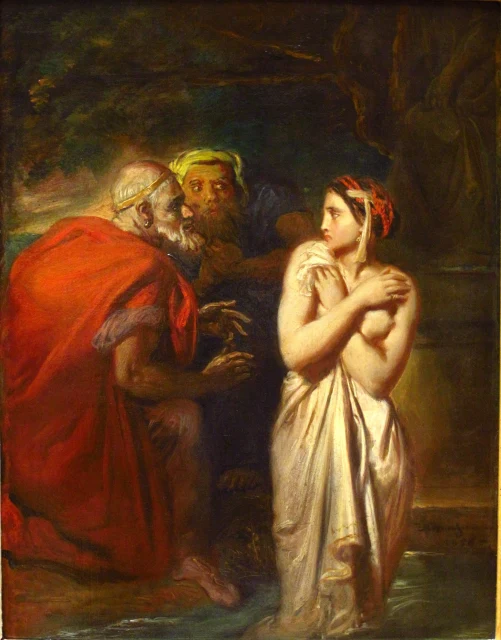 Susanna and the EldersThéodore Chassériau, 1856
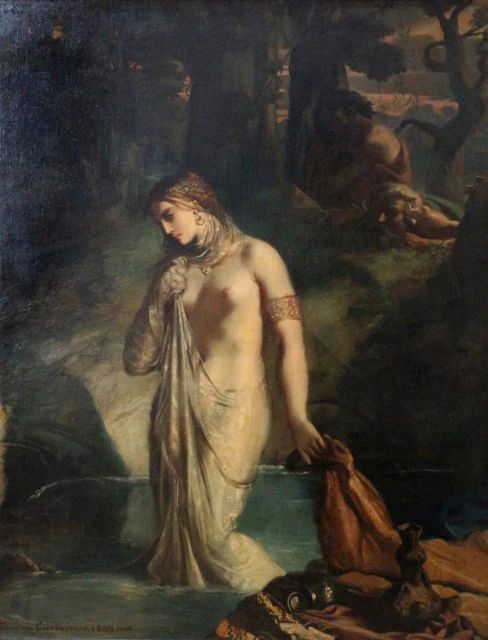 Susanna at Her BathThéodore Chassériau, 1839