Thomas de Keyser
1667 · Dutch Republic · Dutch Golden Age, Baroque, Portrait painting
The story
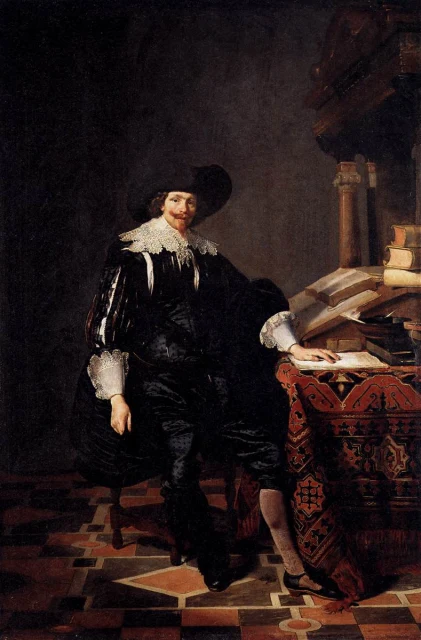
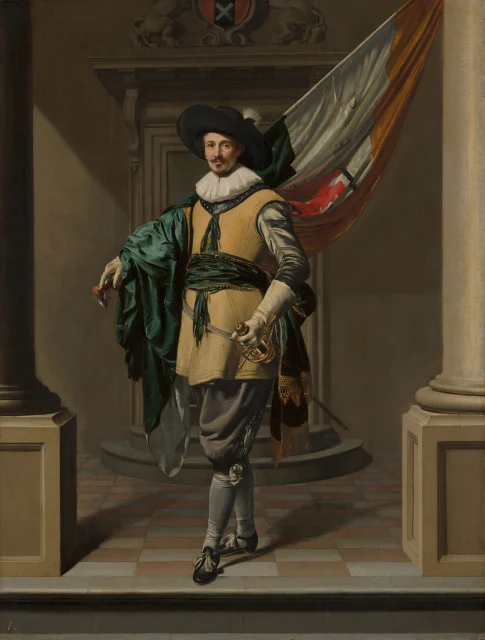
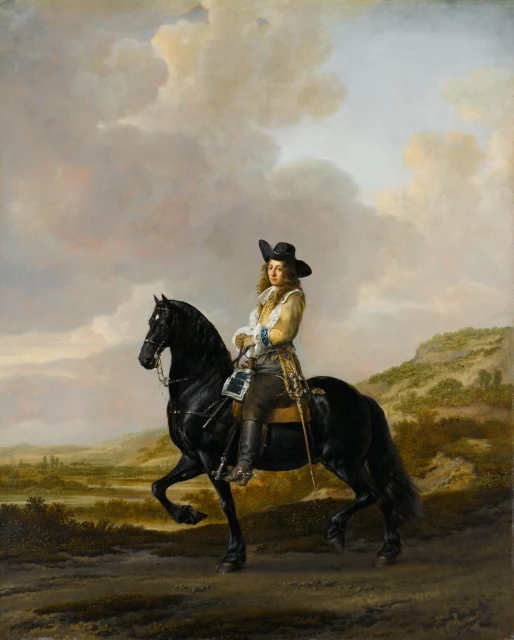
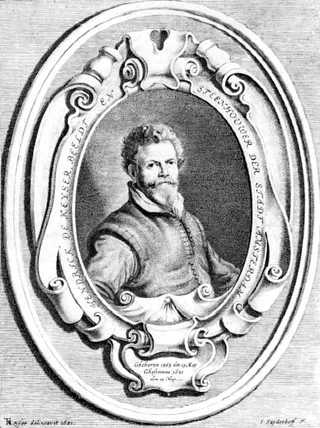
For about a decade, if you were a well-off citizen of Amsterdam and wanted your portrait painted, you very likely went to Thomas de Keyser. Through the 1620s he was, with one rival, the busiest portraitist in the city, the son of Hendrick de Keyser, the sculptor and architect who designed some of Amsterdam's finest churches.
His speciality was the small full-length portrait, a whole figure at cabinet size. The best loved of them, from 1627, shows the poet and diplomat Constantijn Huygens seated at a cluttered table while a clerk brings him a letter, an easy, lifelike scene now in the National Gallery in London.
Then in 1631 Rembrandt settled in Amsterdam, and fashion moved with him. De Keyser's portrait business fell away through the 1640s, and he did something a painter rarely does. He changed trade, becoming a dealer in marble and building stone like his brother, and later served as the city's official stonemason, supplying material for Amsterdam's grand new town hall.