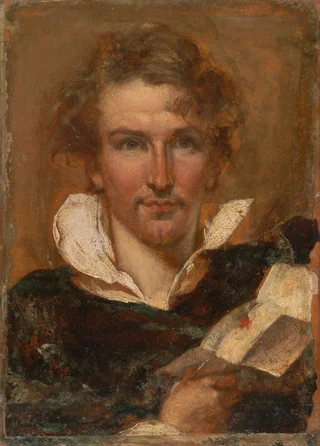
William Etty
1787–1849 · United Kingdom of Great Britain and Ireland · Academic art, Romanticism, Neoclassicism
The story
William Etty built an entire career on the human body, at a time and place, early Victorian Britain, that was deeply uneasy about it. The son of a York baker, he trained under Thomas Lawrence and at the Royal Academy, and he became the leading British painter of the nude, staging biblical and mythological scenes largely as occasions to paint flesh, warm and richly coloured in the Venetian manner he admired in Titian and Rubens.
Critics were divided and often scandalised. He was accused of indecency and of an unhealthy fixation, though he insisted his aim was to celebrate the human form as God's finest work. Well into his sixties, long after he was a full Academician, he kept turning up to draw from the model in the Academy's life class alongside the students, unwilling to stop studying.
Late in life he returned to York, the city he had never really left in spirit. He campaigned to save its medieval walls from demolition and helped push for the school of design that fed the city's art gallery, where a large group of his paintings now hangs. He died there in 1849, the year after a big retrospective in London had finally brought him respect.
Works
11 works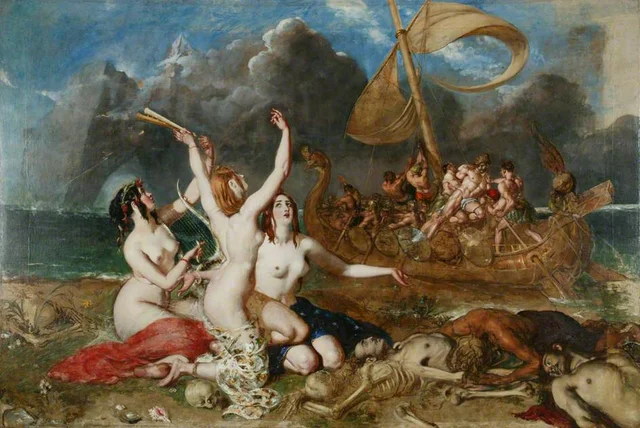 The Sirens and UlyssesWilliam Etty, 1837
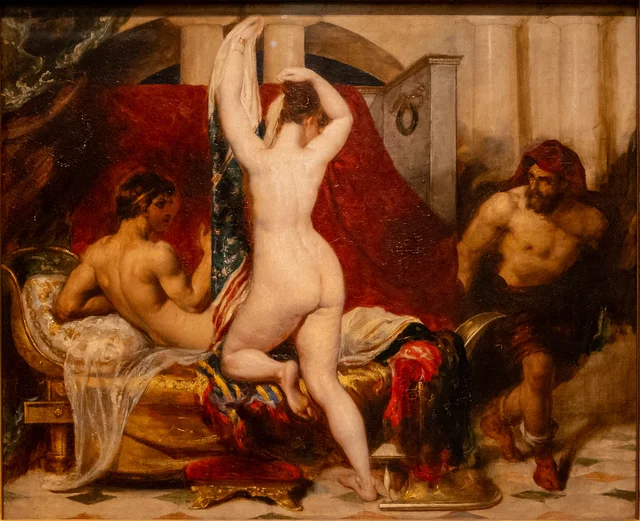 Candaules, King of Lydia, Shews his Wife by Stealth to Gyges, One of his Ministers, as She Goes to BedWilliam Etty, 1830
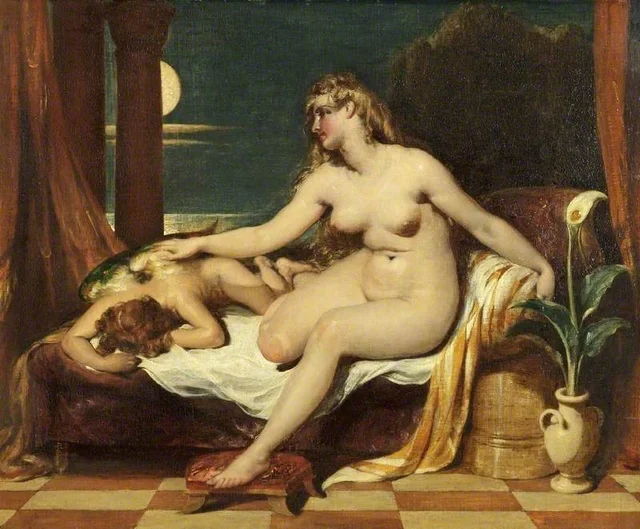 The Dawn of LoveWilliam Etty, 1828
 The Triumph of CleopatraWilliam Etty, 1821
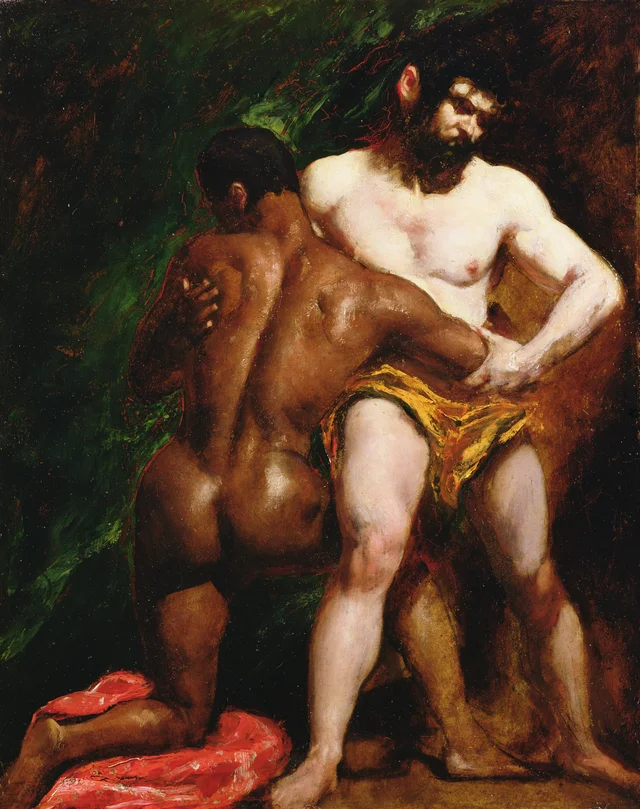 The WrestlersWilliam Etty, 1840
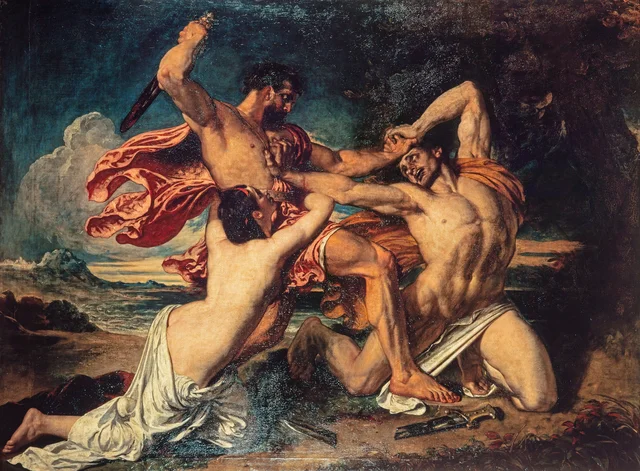 The Combat: Woman Pleading for the VanquishedWilliam Etty, 1825
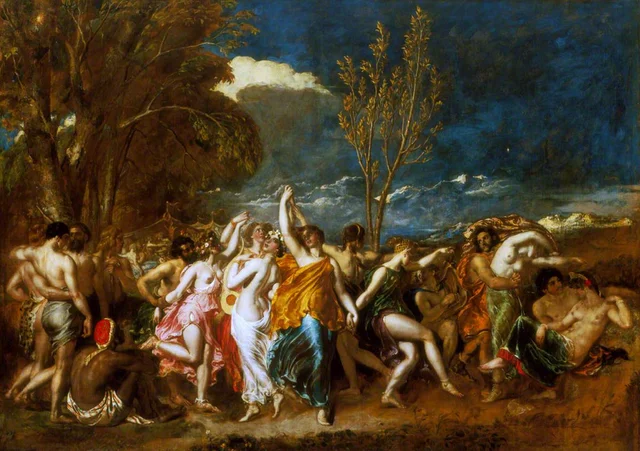 The World Before the FloodWilliam Etty, 1828
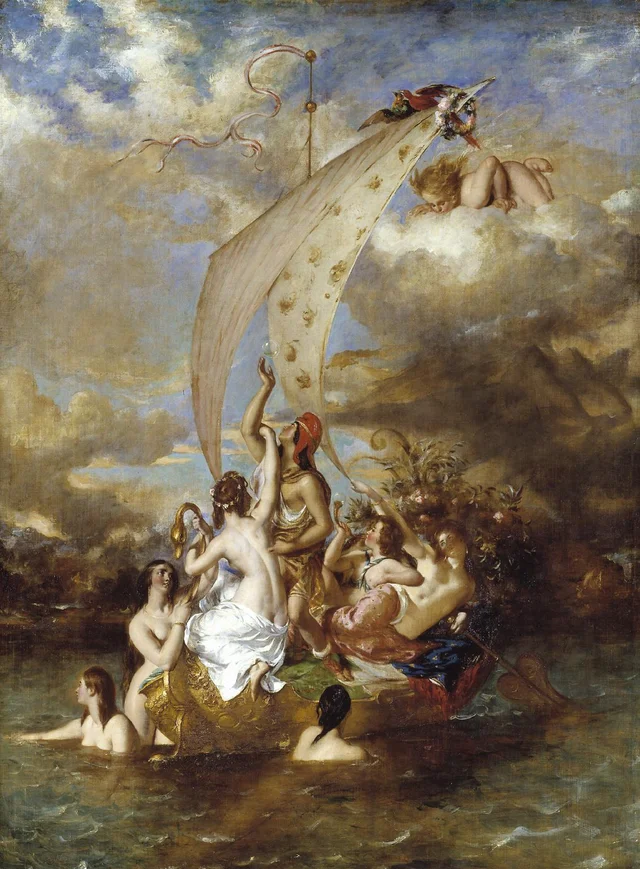 Youth on the Prow, and Pleasure at the HelmWilliam Etty, 1830
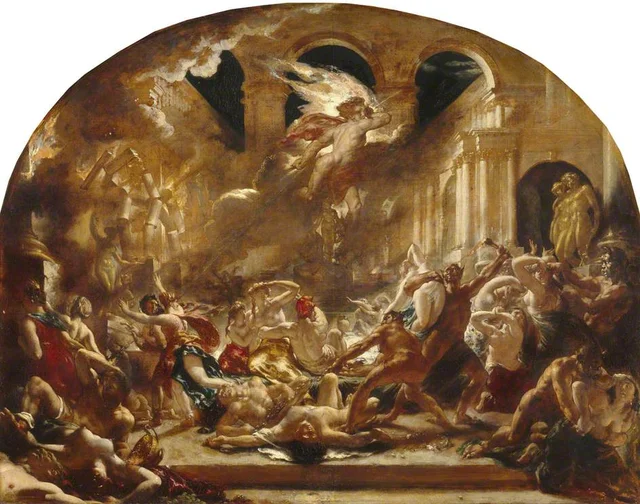 The Destroying Angel and Daemons of Evil Interrupting the Orgies of the Vicious and IntemperateWilliam Etty, 1832
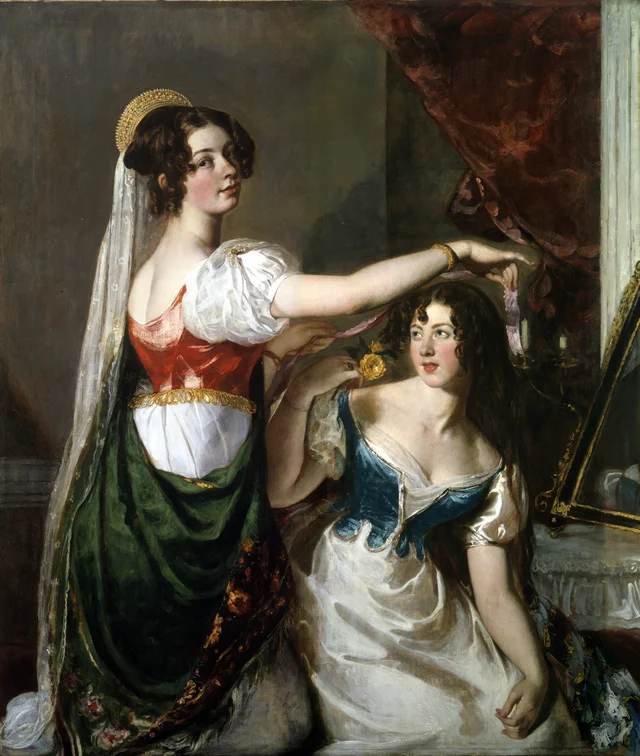 Preparing for a Fancy Dress BallWilliam Etty, 1833
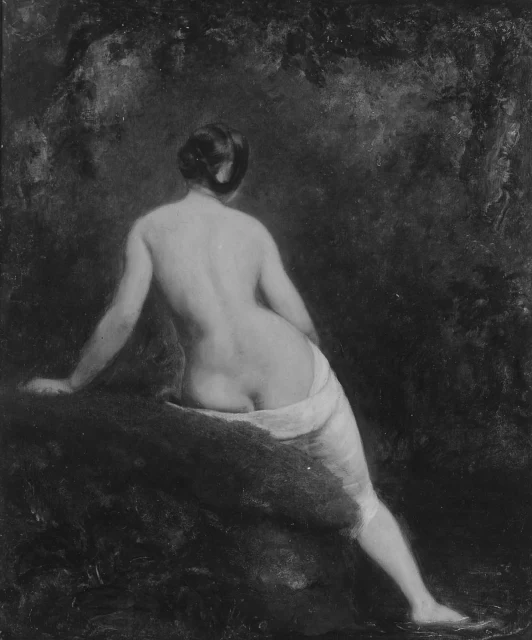 Nude Woman Seated in a LandscapeWilliam Etty