Wouter Johannes van Troostwijk
1782–1810 · Batavian Republic, Kingdom of Holland
The story
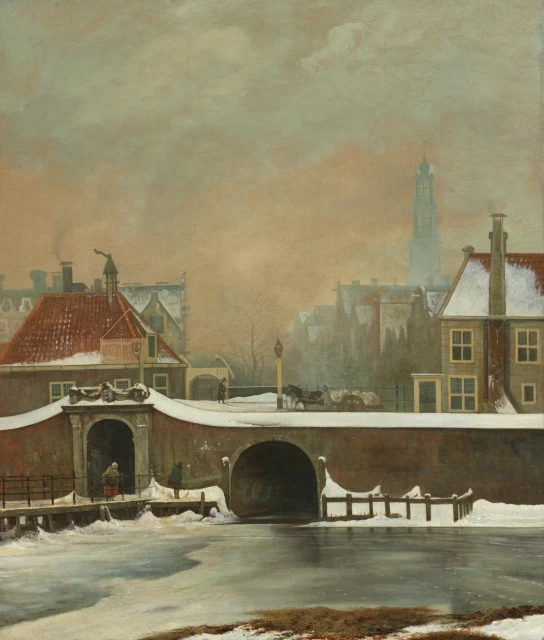
In 1809 Wouter van Troostwijk painted a small gate in Amsterdam's city wall near the Bloemgracht canal, with snow on the roofs, grey ice, and the Westertoren church tower in the distance. The Raampoortje, or Frame Gate, took its name from the fields outside it, where dyed cloth was stretched on wooden frames to dry. The gate was demolished in 1846. The picture now hangs in the Rijksmuseum, on loan from the Royal Antiquarian Society.
He painted it in his spare time. His father, a cloth merchant better known as a chemist and physicist, kept a comfortable house, so Wouter never had to live from his art and rarely exhibited. From 1805 he was concierge of the Amsterdam town hall, where he lived and kept his studio, and he painted outdoors on his days off. He had trained with the Andriessen brothers, two Amsterdam painters, won prizes at the city drawing academy, and took two medals at Felix Meritis, the city's society for arts and sciences.
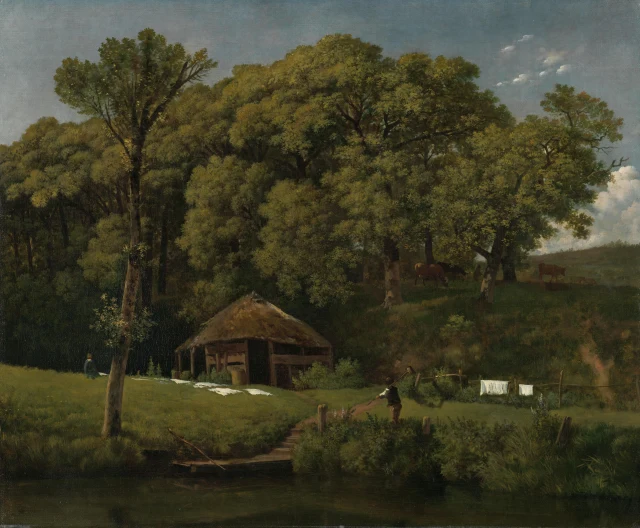
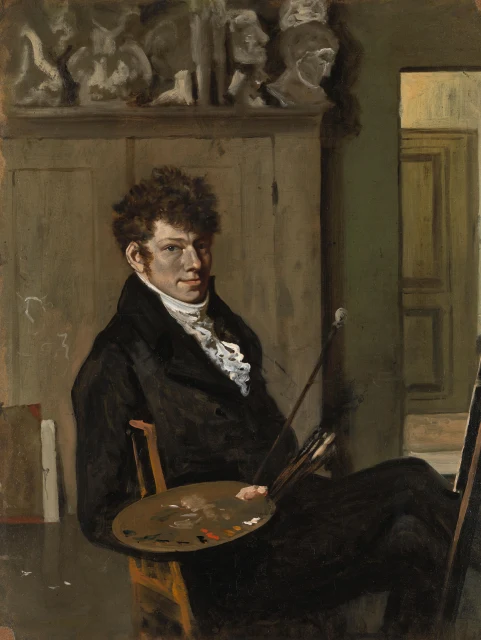
About eight of his paintings are known, among them a self-portrait of around 1809, also in the Rijksmuseum. In September 1810, after working too long outside on a cold evening, he caught a high fever and died at 28.