Jusepe de Ribera · PD
Deposition of Christ
Details
The story
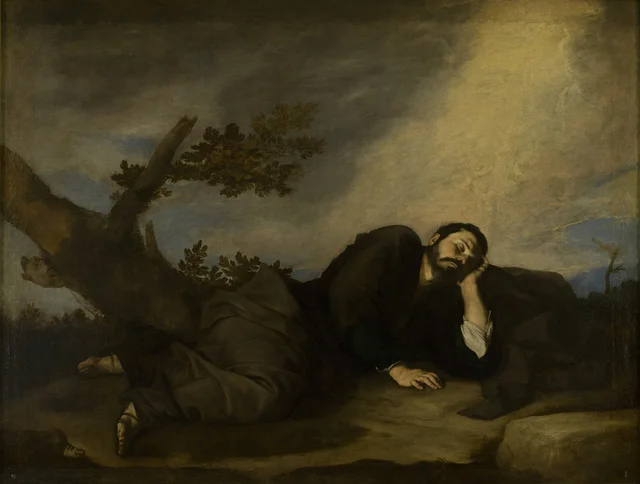
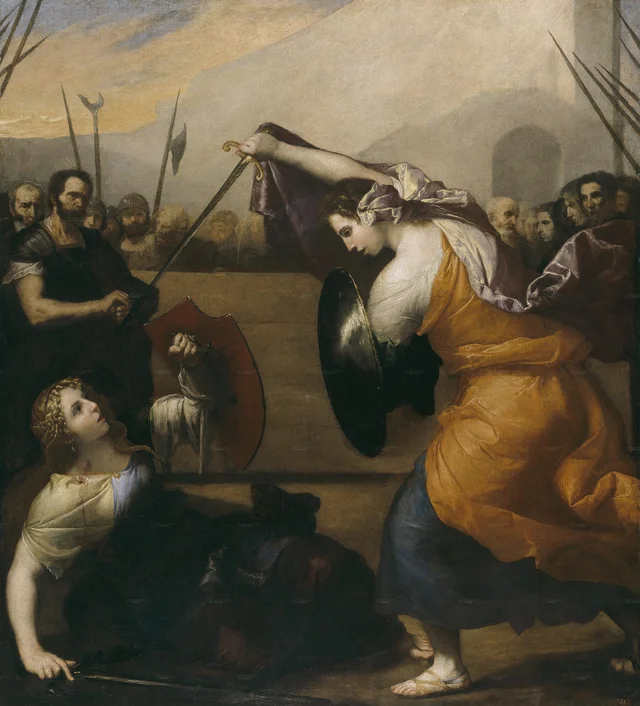
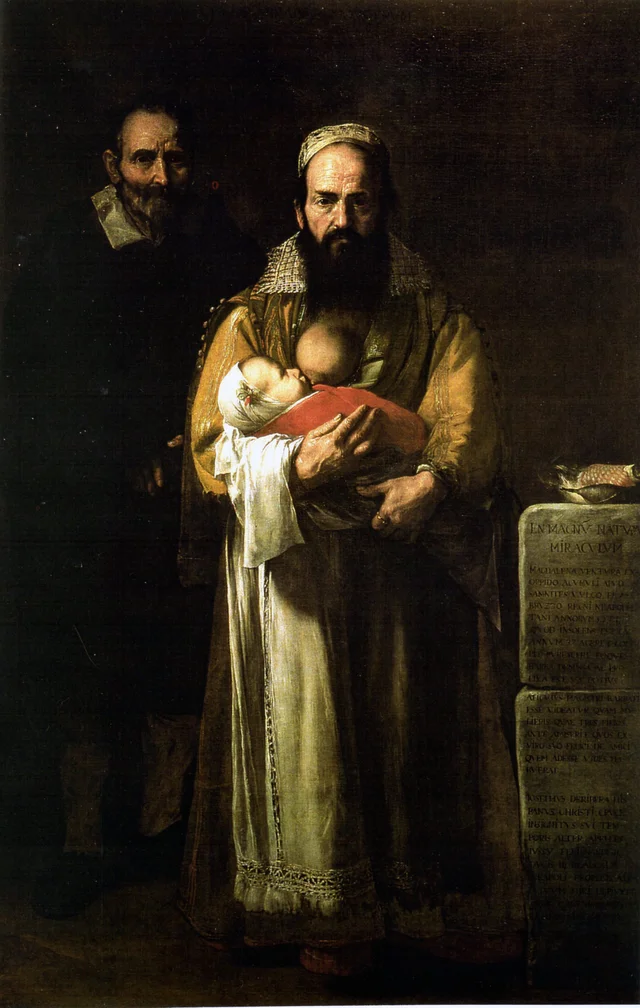
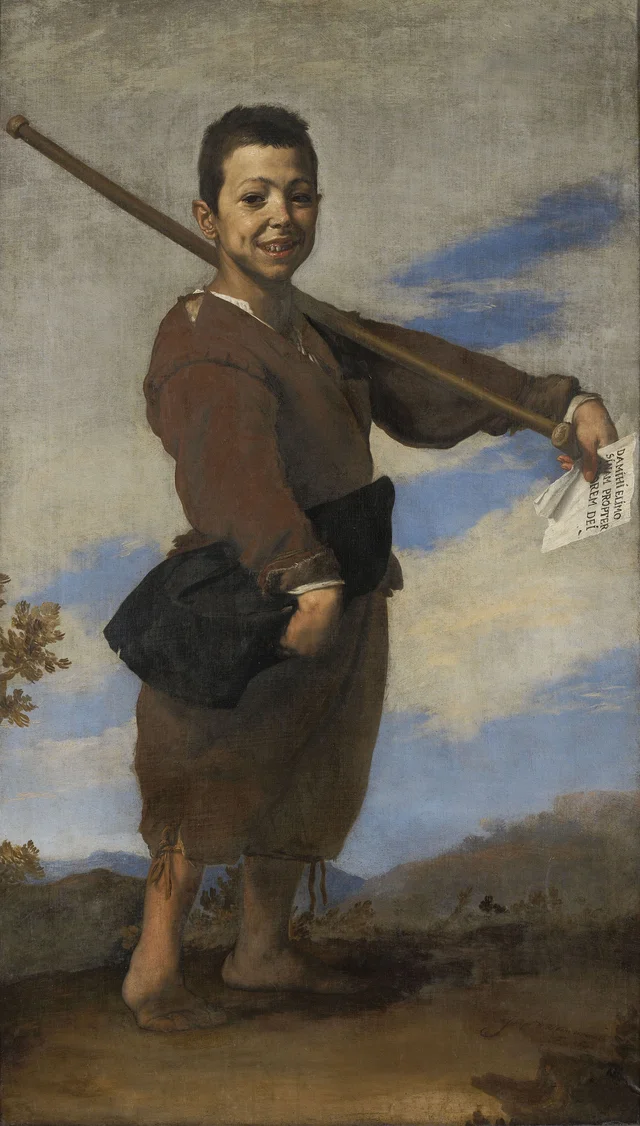
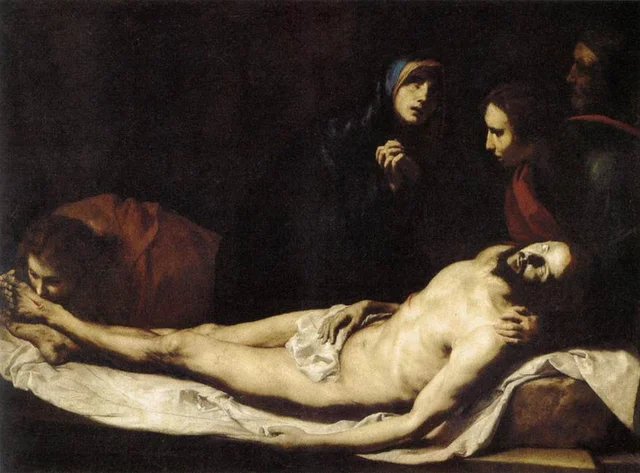
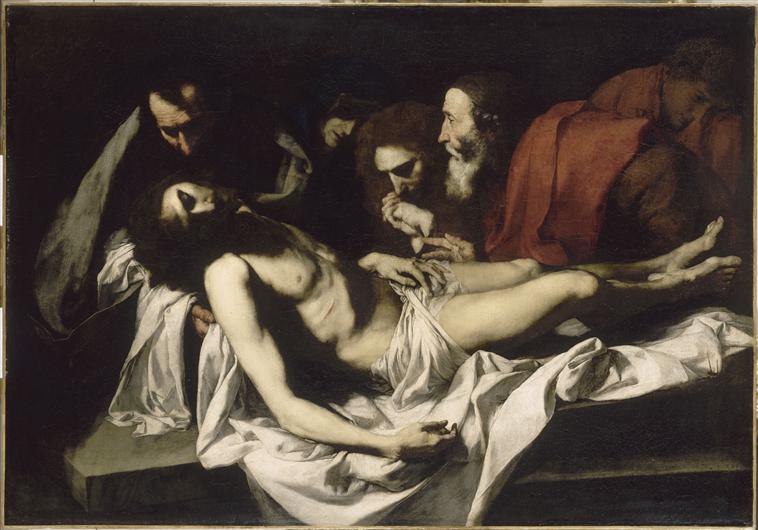
Jusepe de Ribera was a Spaniard who spent his career in Naples, then ruled from Madrid, and by the late 1620s he was the most powerful painter in the city. He had grown up on the shock of Caravaggio, whose raw light and street-real figures had passed through Naples a generation earlier, and he pushed that naturalism about as far as anyone dared. Around 1628 he painted this burial of Christ, the body laid out heavy and unmistakably dead, the mourners around it built from ordinary, weathered faces, closer to real grief than to grandeur. He signed himself Lo Spagnoletto, the little Spaniard, and this unsparing, physical way of painting sacred flesh was exactly what Counter-Reformation Naples asked of its altars. He came back to the dead Christ more than once in these years, in versions now in London and Madrid, each worked in the same heavy, grieving light.