Göteborgs konstmuseum (Gothenburg Museum of Art). Photo: Hossein Sehatlou · CC-BY-4.0
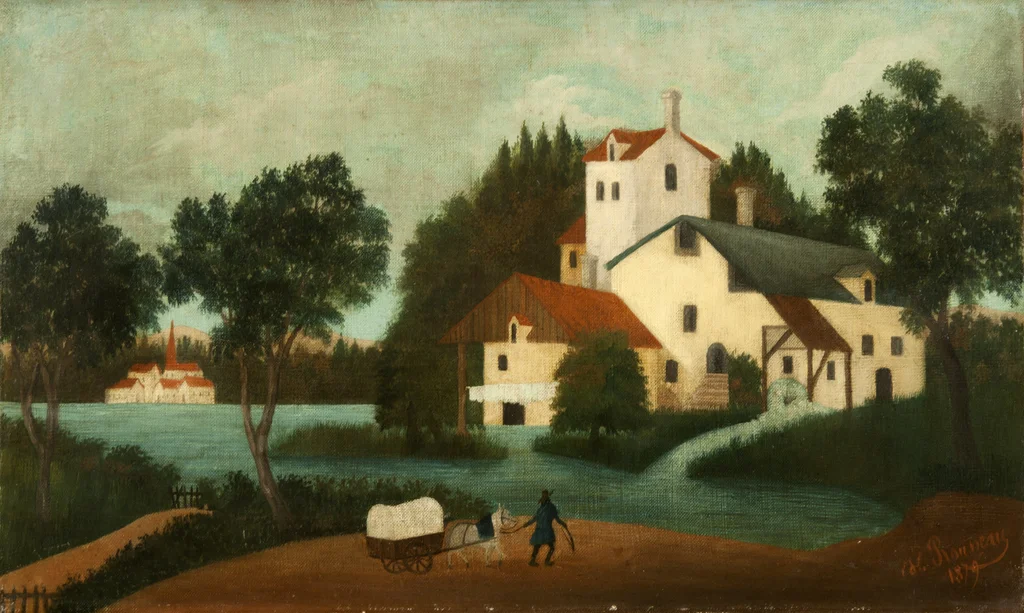
Landscape with Watermill
Details
The story
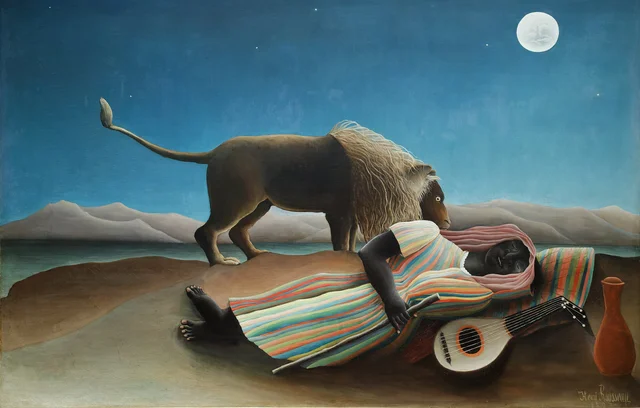
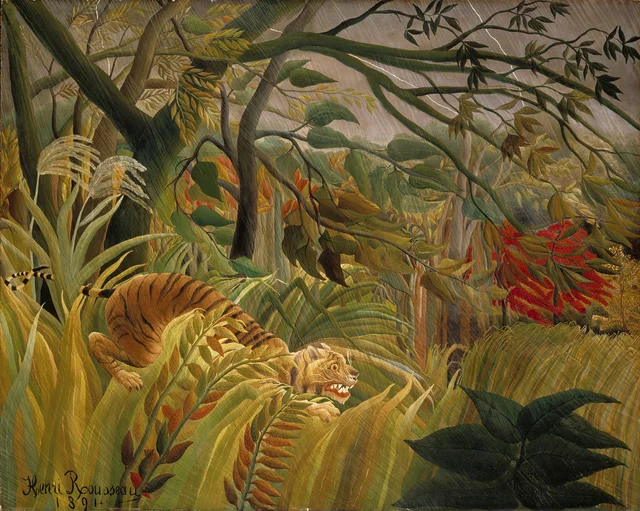
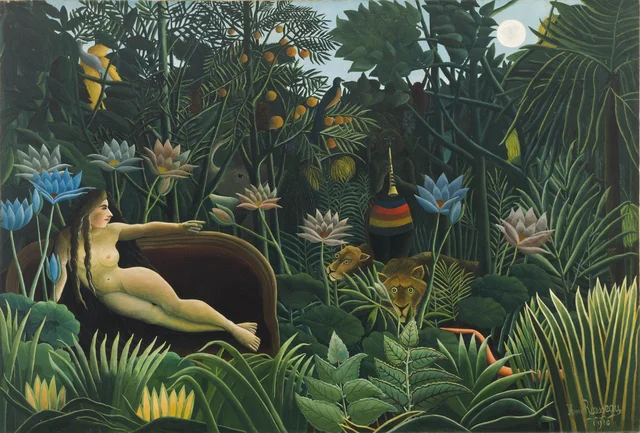
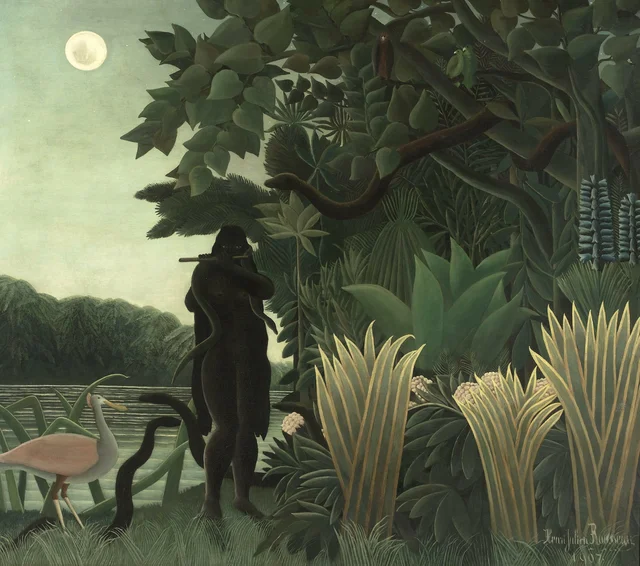
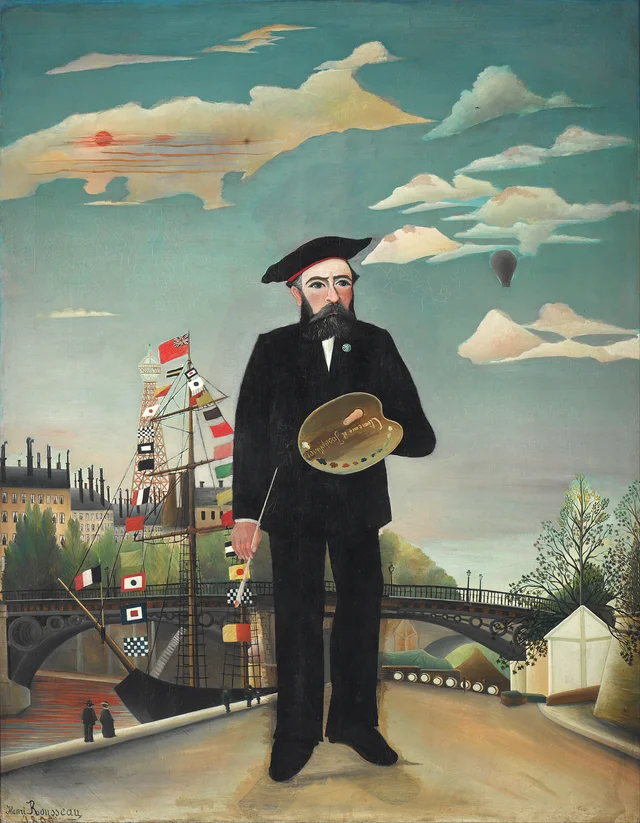
By 1896, when he painted this watermill scene, Henri Rousseau had already left the working life that gave him his nickname. For years he had collected tolls at the gates of Paris, which earned him the name le Douanier, the customs man, while he painted in whatever time he had, with no formal training at all. In 1893, at 49, he retired to paint full-time, and each spring he showed at the Salon des Indépendants, whose jury-free walls let anyone hang a canvas. The critics treated him as a joke, a clerk who took his Sunday pictures too seriously. His landscapes carry the stillness of something remembered rather than seen, laid down with the flat, patient precision that runs through all his work. Younger painters caught what the reviewers missed, and within a few years Picasso and his circle were collecting him. This picture travelled north after his death: in 1923 the Swedish industrialist Gustaf Werner gave it to the Gothenburg Museum of Art.