Peter Paul Rubens · CC0
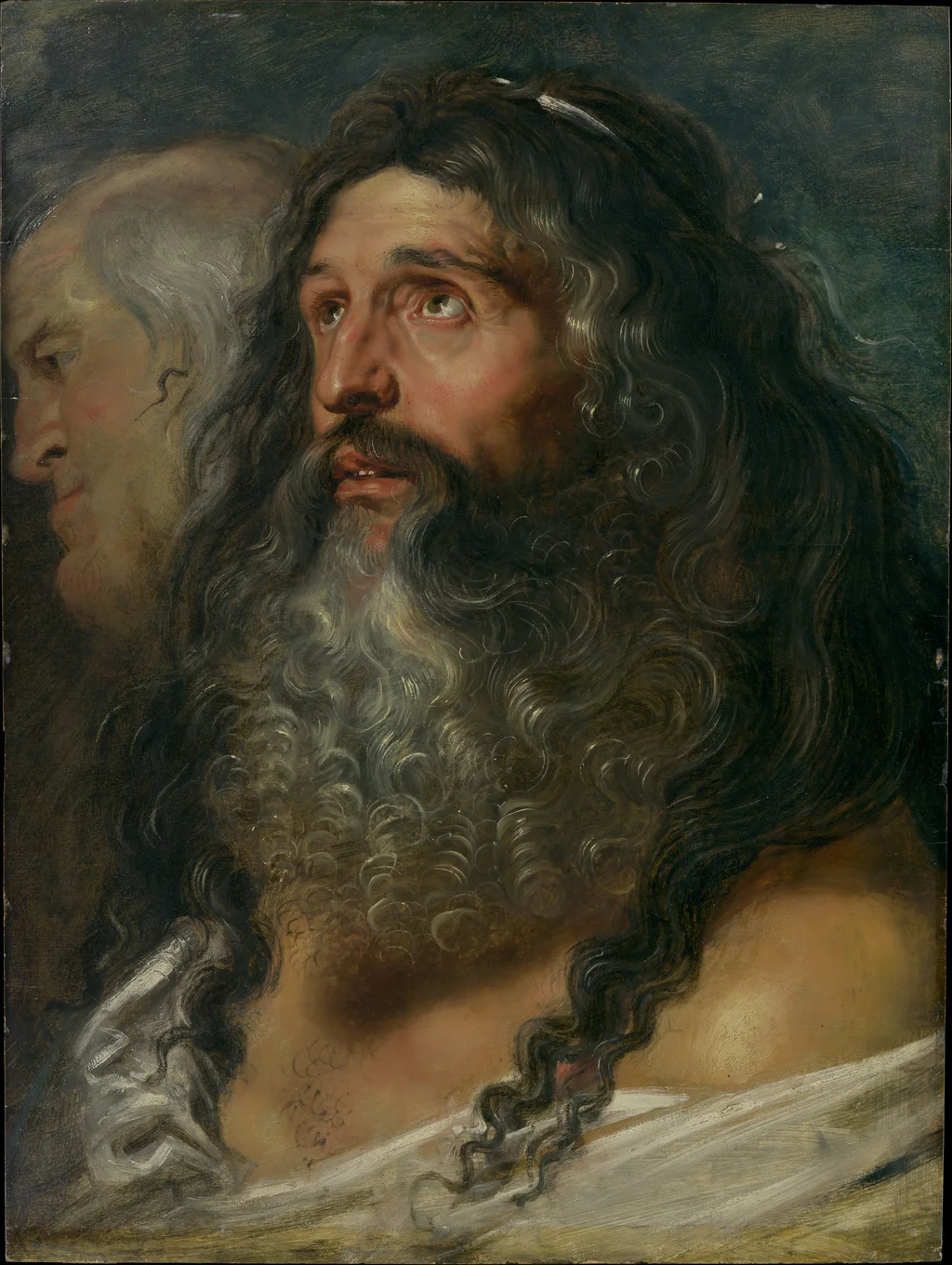
Study of Two Heads
Details
The story
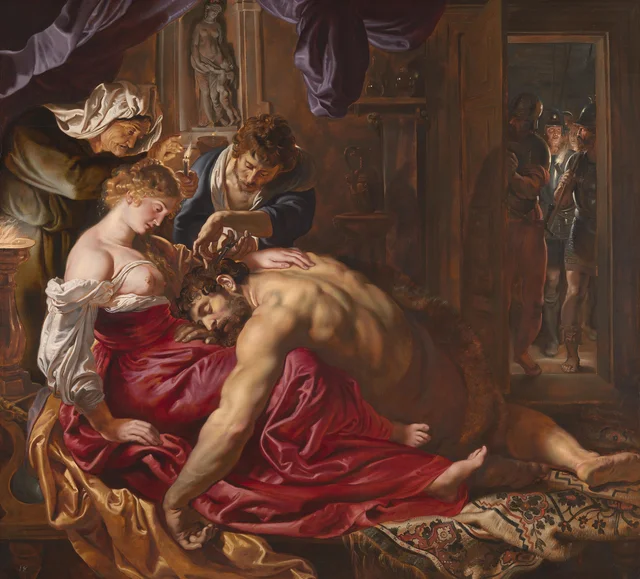
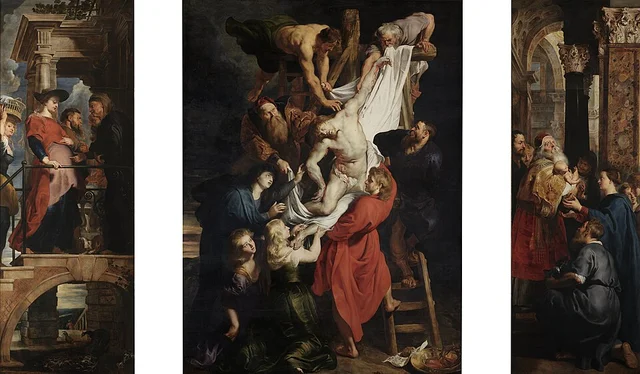
Rubens came home to Antwerp at the end of 1608 after eight years in Italy, and the timing was good. In April 1609 a truce with the Dutch stopped a war that had run for 40 years, in September the archdukes made him their court painter, and the city's churches, stripped in the previous century's iconoclasm and poor ever since, began ordering altarpieces again. A studio filling that many commissions needs faces. Rubens painted heads like these from live models and from other painters' work and kept them as stock. The old man at the front turns up as a saint in an altarpiece of 1609, as a high priest in 1612, then as a river god, and finally as Plato in an engraving of about 1615. The head behind him is taken from Mantegna. Van Dyck, who came into the workshop as a teenager, kept the same habit.