The story
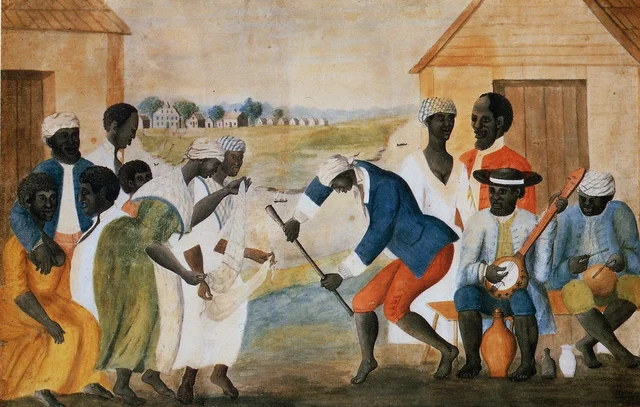
A small watercolour here shows enslaved men and women dancing outside their cabins on a South Carolina plantation, to the music of a banjo and a drum. Painted in the late 18th century, it is among the earliest known American images of the banjo, and for a long time nobody knew who made it. Research now points to John Rose, a planter in Beaufort County, and the museum calls the picture Music and Dance in Beaufort County.
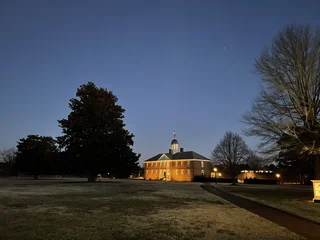
It came into the collection begun by Abby Aldrich Rockefeller, wife of John D. Rockefeller Jr. and one of the founders of New York's Museum of Modern Art. From the late 1920s she bought portraits, carvings and weather vanes by untrained makers, at a time when most collectors treated such things as quaint curiosities. In 1939 she gave more than 400 pieces to Colonial Williamsburg, the restored colonial capital of Virginia, and in 1957 they opened as a museum of their own, among the first in the country devoted to folk art.
The collection has since grown past 7,000 objects, from portraits and painted furniture to fraktur, the decorated certificates of German-speaking settlers in Pennsylvania. Since 2007 it shares a building on Francis Street with the DeWitt Wallace Decorative Arts Museum, and it holds work by Edward Hicks, the Quaker preacher who painted the Peaceable Kingdom again and again.