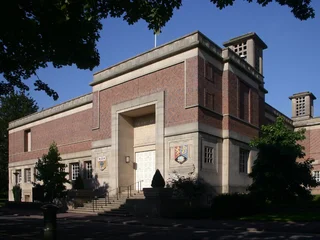
The story
Lady Barber set out to build a small collection in which every picture would be first-rate. In 1932 she left her fortune to the University of Birmingham to found an institute for the study of art and music, with instructions that its trustees buy only works of exceptional and outstanding merit, and none by any artist still living. She died four months later and never saw a single purchase.
The result, opened in 1939 in a clean Art Deco building that doubles as a working concert hall, is often called one of the finest small collections in Britain. In fewer than 150 paintings it moves from Bellini and a Rubens oil sketch to Murillo, Gainsborough's Harvest Wagon, Monet, Degas's jockeys and a Van Gogh, with one strong example standing in for each chapter of European art.
The trustees still buy to Lady Barber's exacting rule, and the institute also holds one of the country's notable collections of coins, especially strong in Byzantine and medieval issues.
Collection
13 works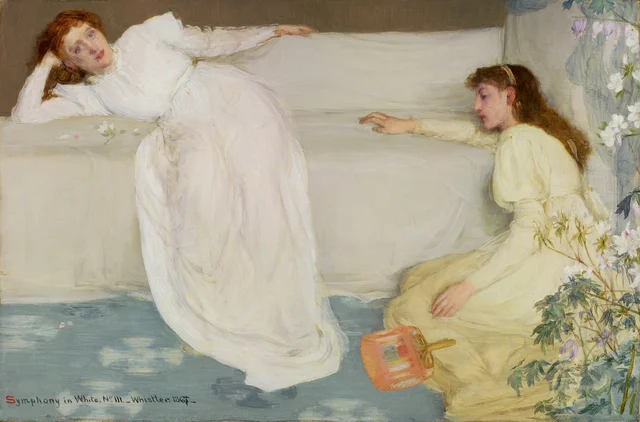 Symphony in White, No. 3James McNeill Whistler, 1866
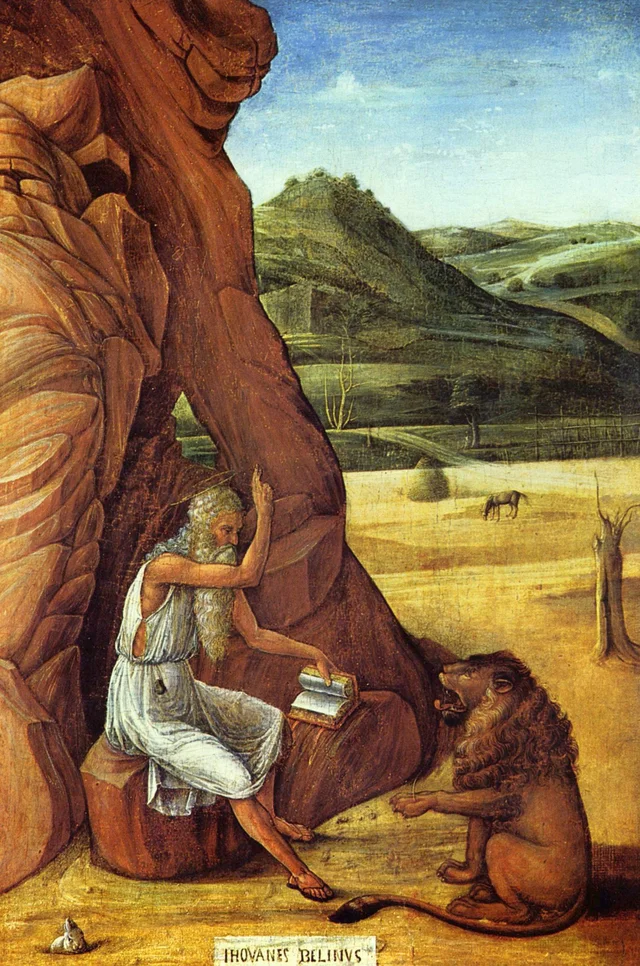 Saint Jerome in the DesertGiovanni Bellini, 1450
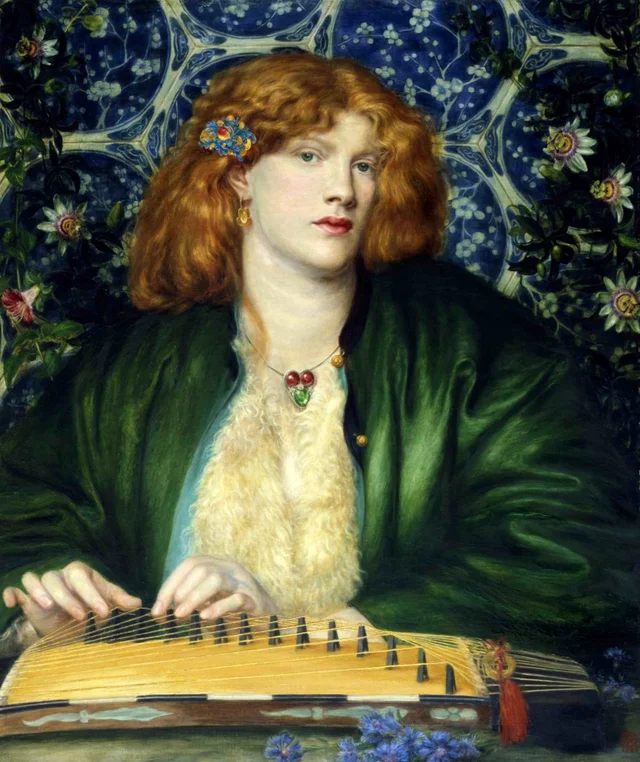 The Blue BowerDante Gabriel Rossetti, 1865
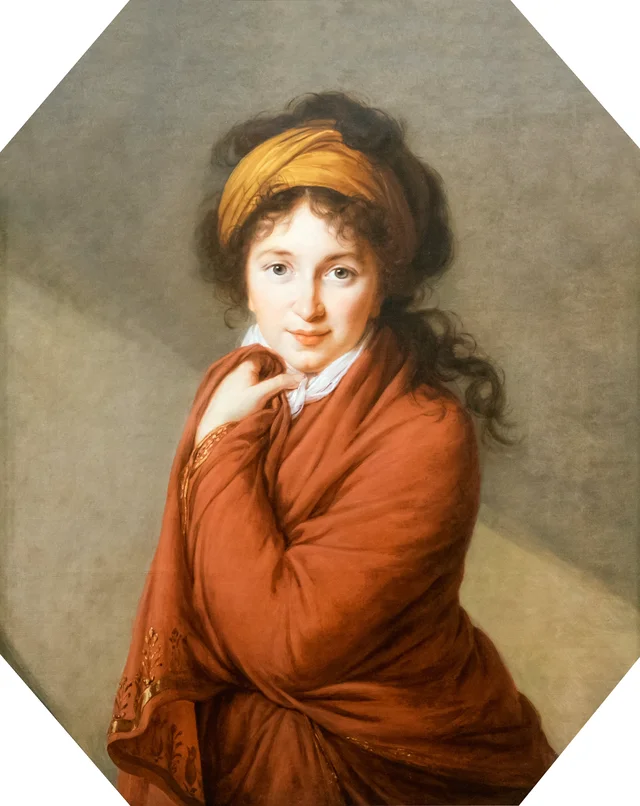 Portrait of Countess GolovinaÉlisabeth Louise Vigée Le Brun, 1797
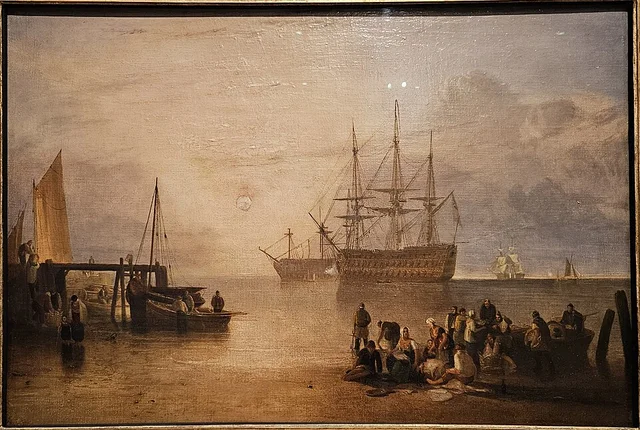 The Sun Setting through VapourJ. M. W. Turner, 1809
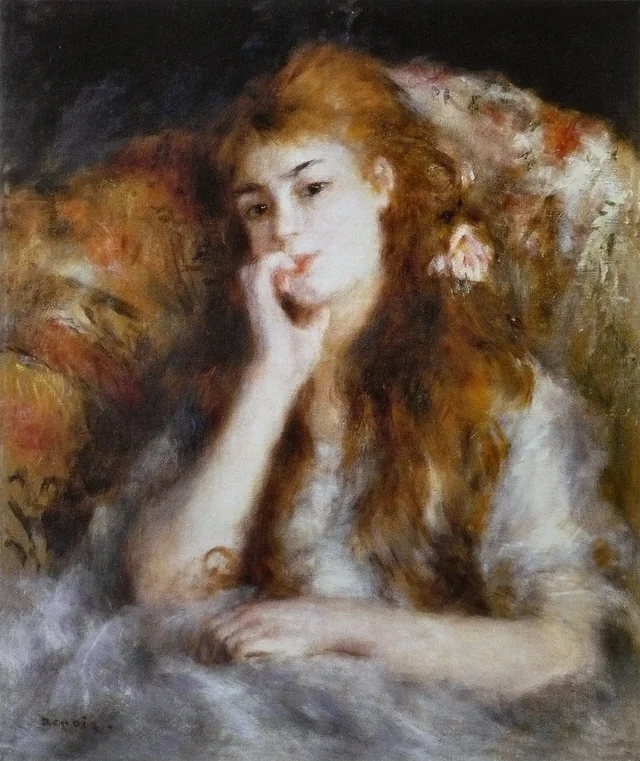 Young Woman SeatedPierre-Auguste Renoir, 1876
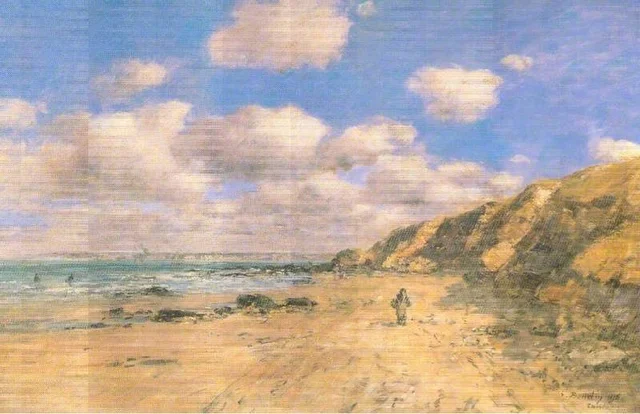 A Beach near TrouvilleEugène Louis Boudin, 1895
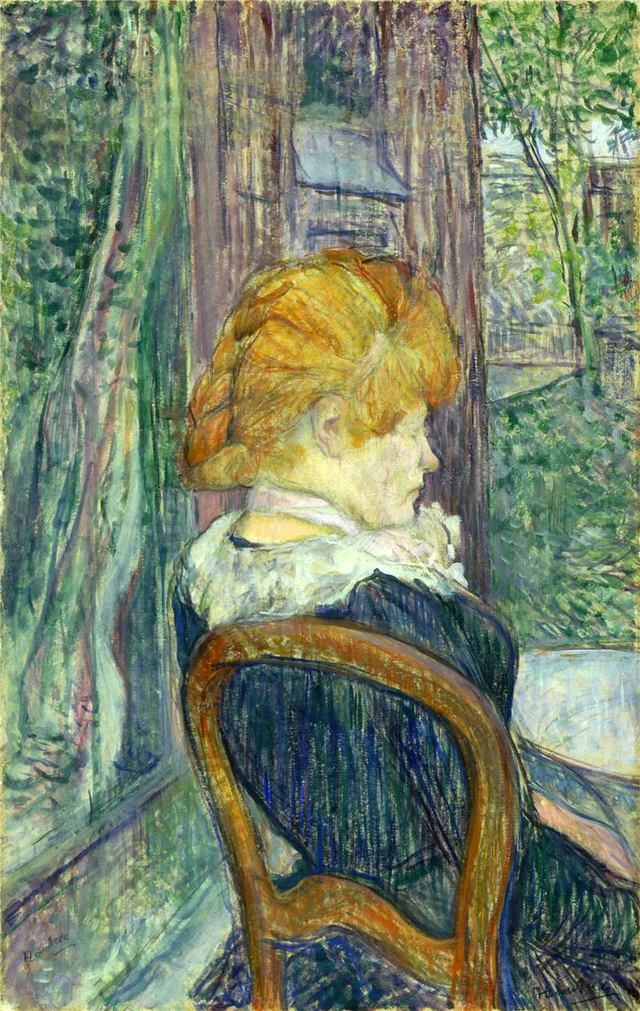 A Woman Seated in a GardenHenri de Toulouse-Lautrec, 1890
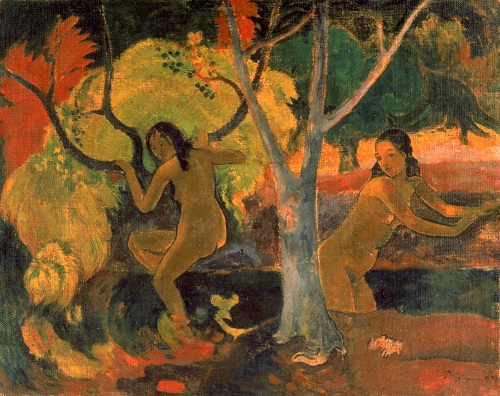 Bathers at TahitiPaul Gauguin, 1897
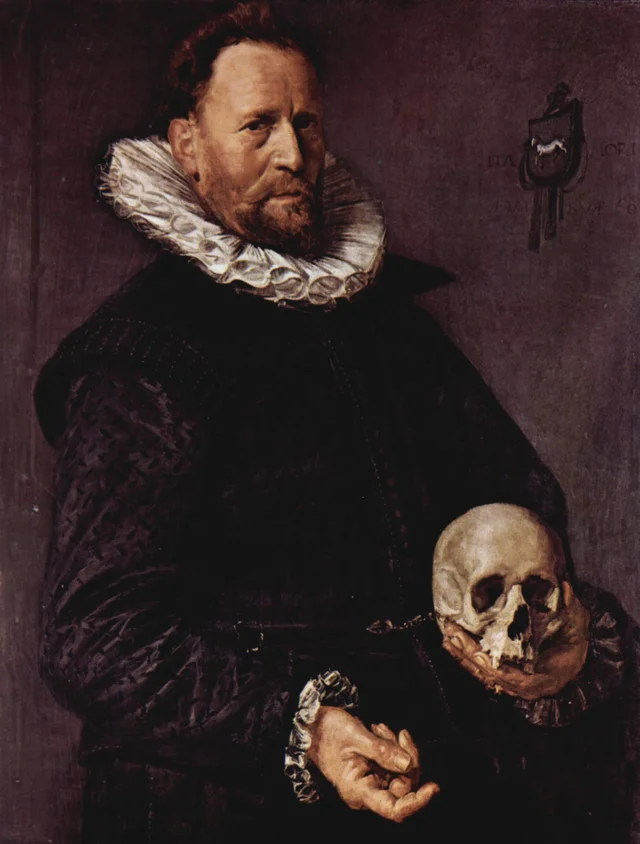 Portrait of a man holding a skullFrans Hals, 1610
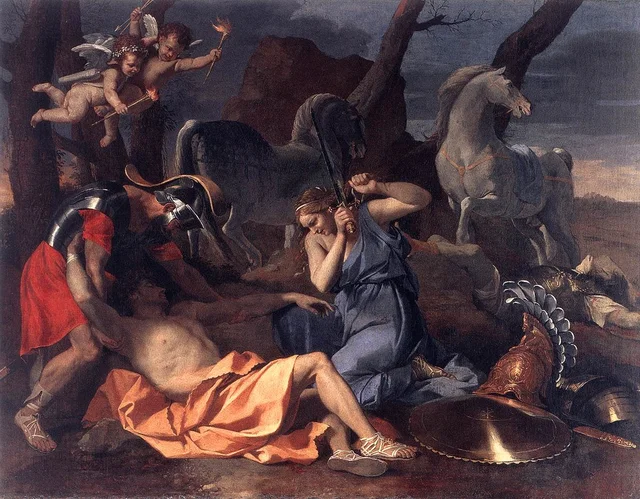 Tancred and ErminiaNicolas Poussin, 1634
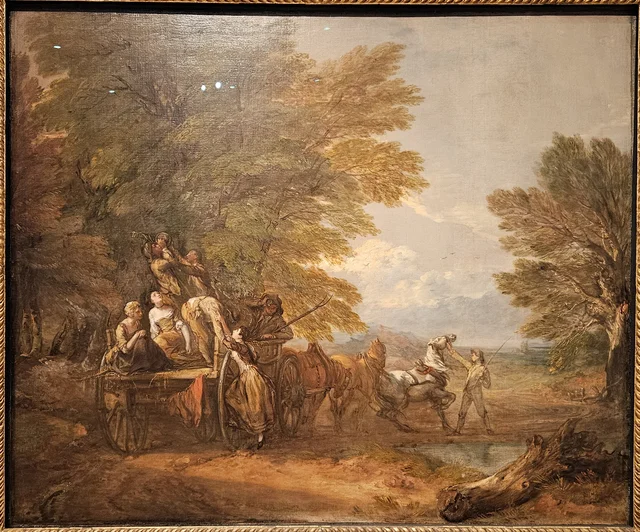 The Harvest WagonThomas Gainsborough, 1767
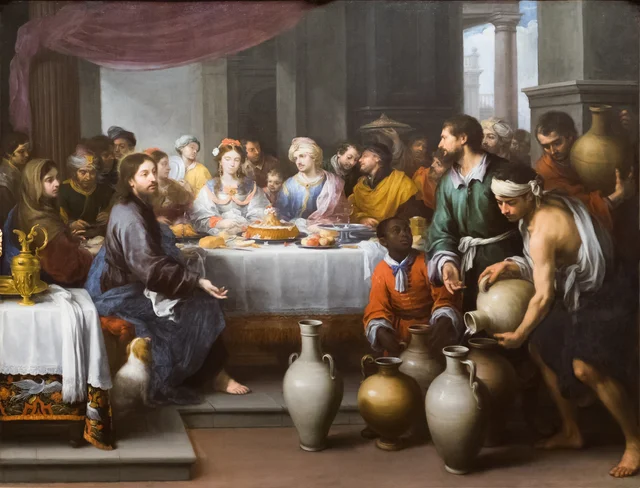 The Marriage Feast at CanaBartolomé Esteban Murillo, 1672