The story
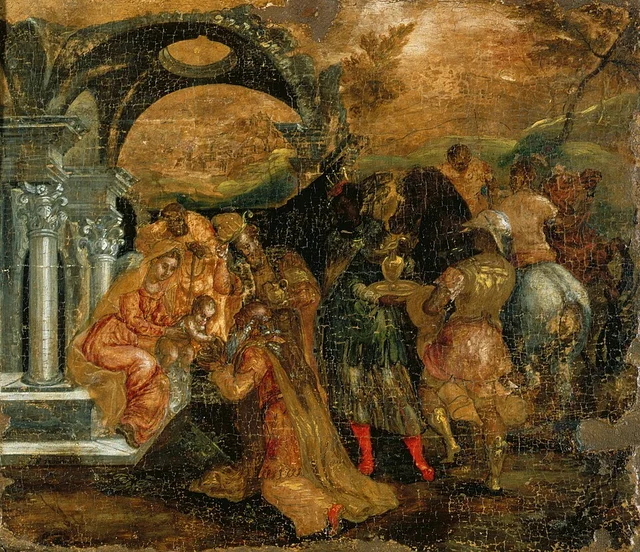
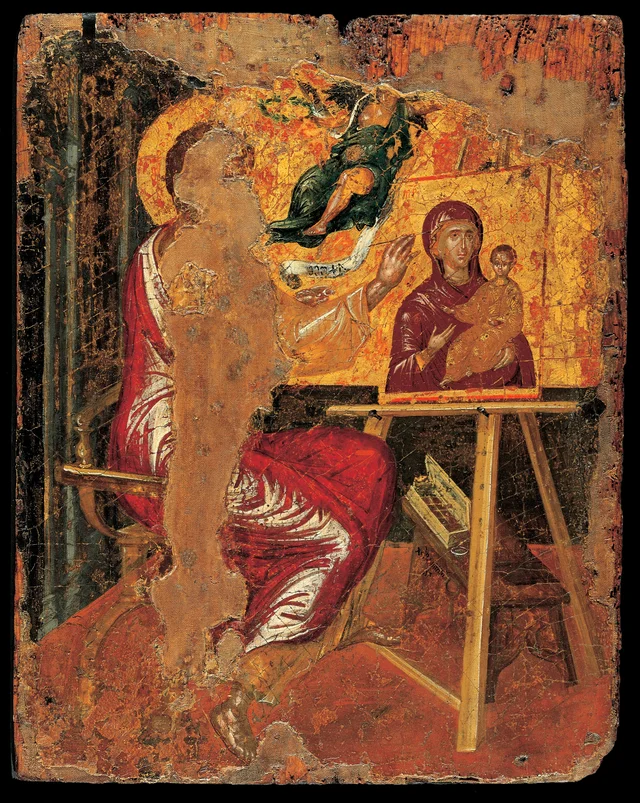
Two small panels at the Benaki Museum show El Greco before anyone called him that. In the 1560s Domenikos Theotokopoulos was a master icon painter in Candia, today's Heraklion, the capital of Venetian-ruled Crete. His Saint Luke Painting the Virgin, signed on the stool beneath the easel, shows the evangelist painters took as their patron, at work on an icon of the Virgin in strict Byzantine form. The Adoration of the Magi, also signed, comes from the same years, shortly before he left the island for Venice and, eventually, Toledo.
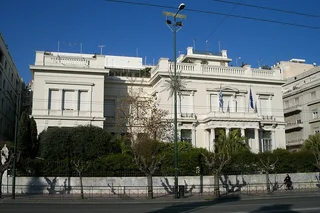
The house they hang in belonged to the Benakis family, Greeks of Alexandria who grew rich in the cotton trade. Antonis Benakis spent decades collecting Byzantine icons, Islamic art, textiles and jewellery, and in 1930 he founded the museum in the family mansion facing the National Garden, as a memorial to his father Emmanuel, a former mayor of Athens. In 1931 he gave the house and the collection to the Greek state.
The collection outgrew the house. After a renovation completed in 2000, the main building was given over to Greek culture alone, and the Islamic collection moved to its own branch in the Kerameikos district in 2004. Climbing through the floors today, a visitor goes from prehistoric gold and Byzantine icons to island costumes and reconstructed reception rooms from 18th-century mansions in Kozani, in northern Greece, with their carved and gilded woodwork.