The story
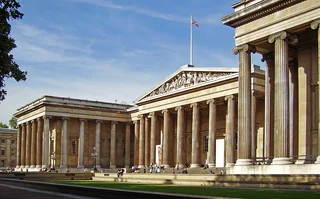
The British Museum is not really an art gallery. It opened in 1753 as the world's first free national public museum, built around the collection of Sir Hans Sloane, a physician who left the nation some 71,000 objects, and it grew into an encyclopedia of human civilization: the Rosetta Stone, the sculptures Lord Elgin removed from the Parthenon, Assyrian reliefs, Egyptian mummies.
Under Norman Foster's glass roof of 2000, the Great Court turned the old central courtyard into a vast covered public square, wrapped around the domed Reading Room where Marx once worked.
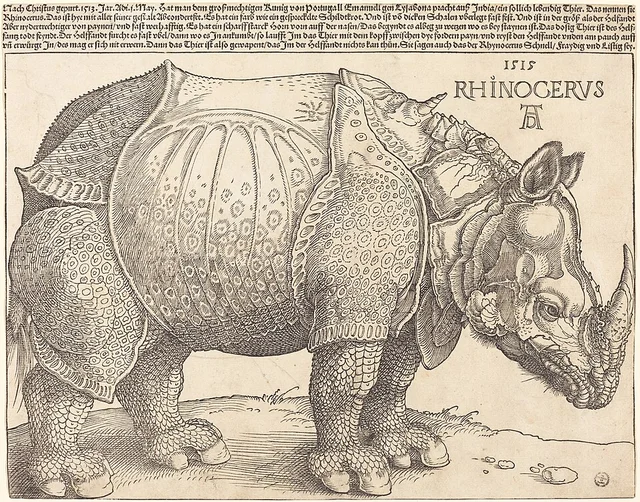
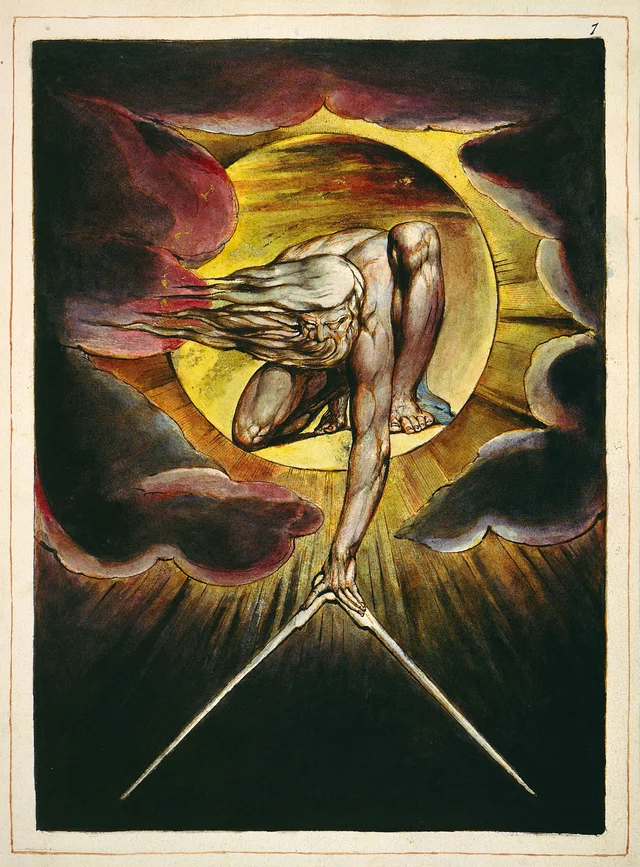
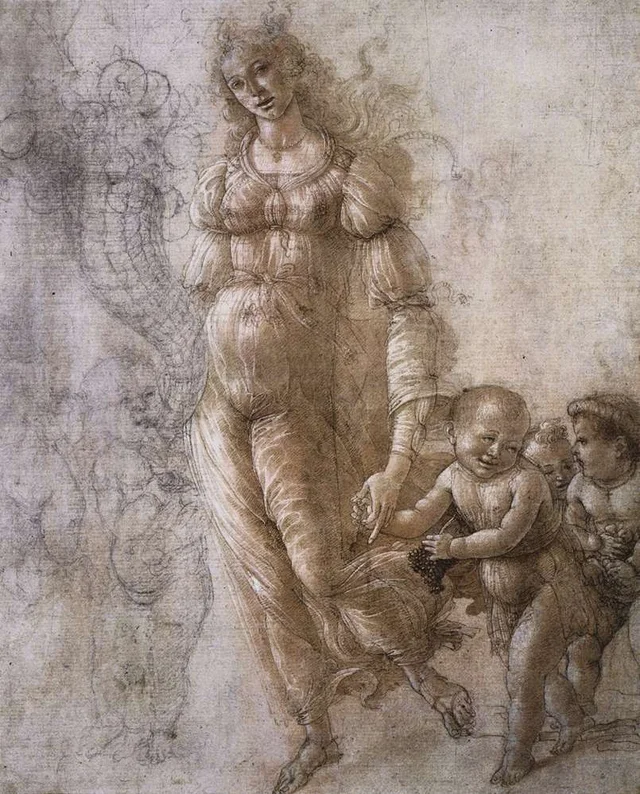
For a viewer chasing paintings, the reason to come is the Department of Prints and Drawings, one of the finest collections of works on paper anywhere. Its cabinets hold drawings by Michelangelo, Raphael, Leonardo, Dürer and Rembrandt, shown a few at a time in a study room and rotating displays, since daylight would fade them if they hung on the walls for good.