The story
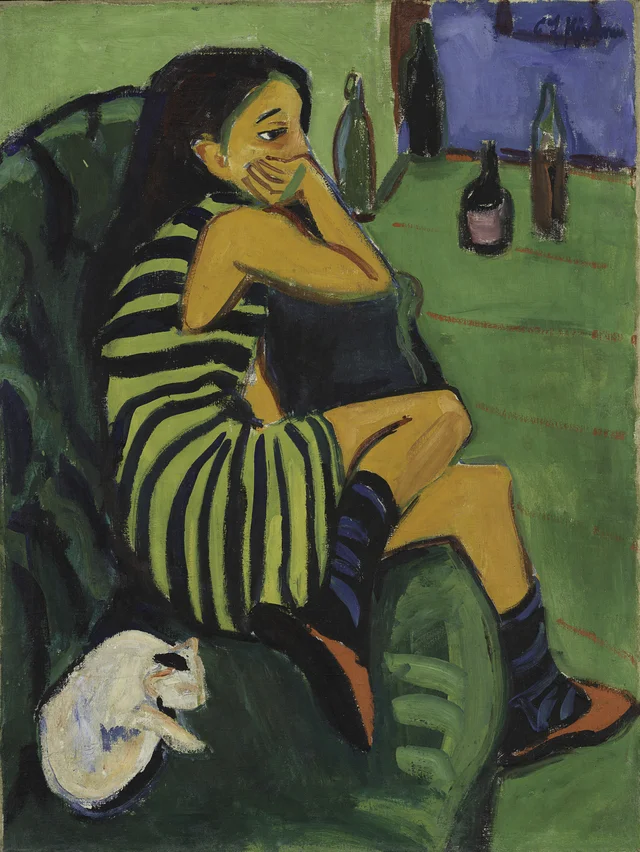
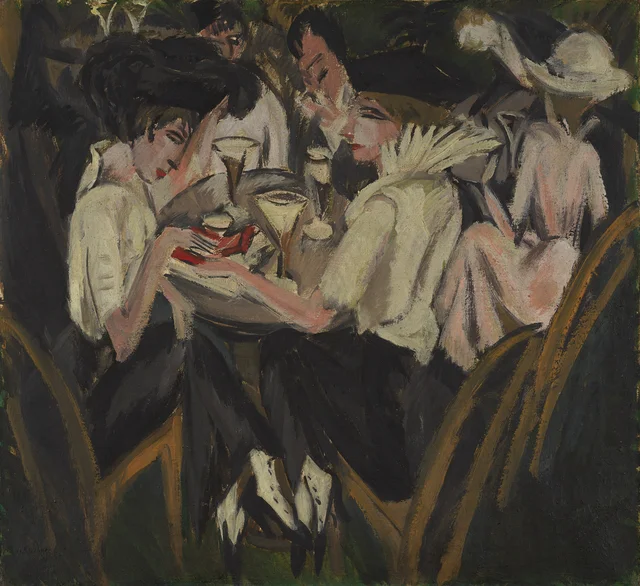
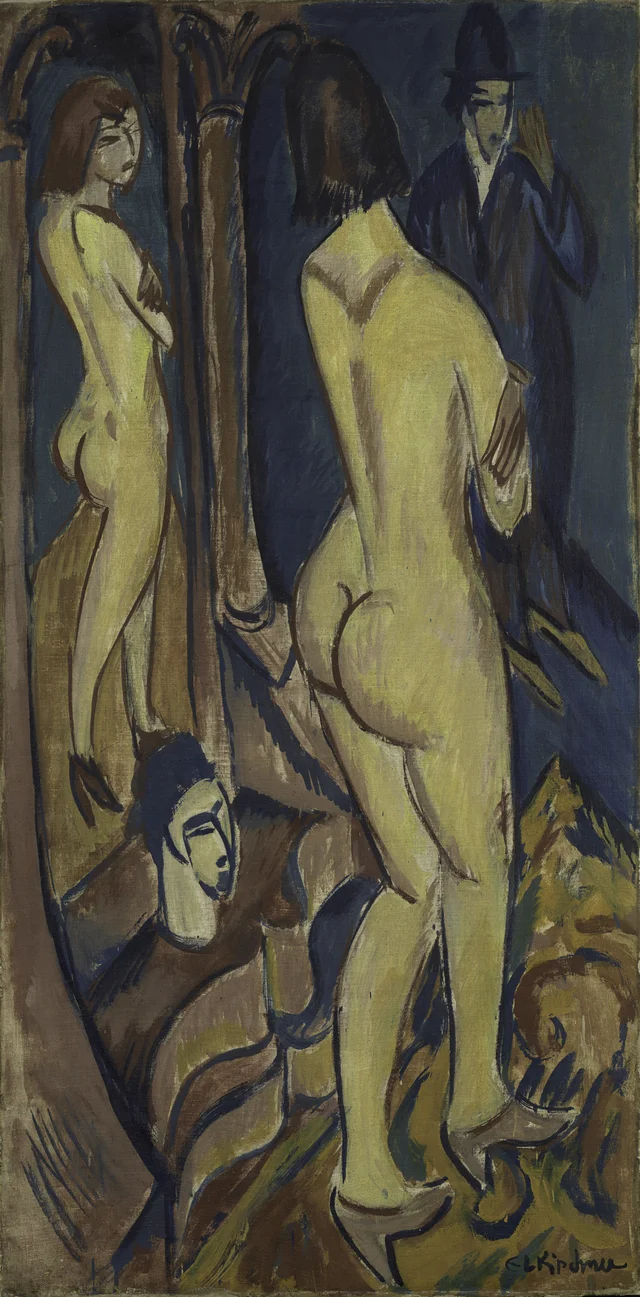
In 1905 four young architecture students in Dresden set aside their drafting careers to paint, and called their group Die Brücke, the bridge, meaning a passage to the art of the future. Their names became the core of German Expressionism: Ernst Ludwig Kirchner, Erich Heckel, Karl Schmidt-Rottluff and Fritz Bleyl, painting nudes and city streets in raw, unmixed color.
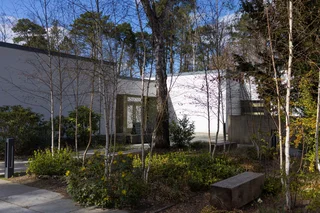
This Berlin museum exists because one of them lived long enough to build it. In the 1960s Schmidt-Rottluff, by then an old man, offered his own works to the city if it would make a home for the group whose art the Nazis had branded degenerate and torn from German museums. The architect Werner Düttmann answered with a low, light pavilion among the pines of Dahlem, opened in 1967.
Inside are the woodcuts, the hot pinks and acid greens, and the studio scenes of a movement that lasted only eight years before its members quarrelled and disbanded in 1913.